
Vandaag of morgen in huis

Kwaliteit gegarandeerd

Welkomstaanbiedingen ontgrendelen: GRATIS bezorging | Tot 80% korting | Gratis 30 dagen JoyPlus-proefperiode
Download de app
A face mask can be a lovely addition to your skincare routine, but the choice is vast. Sheet masks, wash-off masks and gel masks differ not only in how you use them, but also in their ingredients, contact time and amount of serum. If you rely solely on words like “glow”, “detox” or “anti-ageing”, you could end up buying a product that doesn’t suit your skin.
The three most common pitfalls:
First, decide on the goal of your routine. A hydrating face mask, for example, suits dry or dehydrated skin. Look for ingredients such as glycerine, panthenol, sodium hyaluronate, ceramides or different forms of hyaluronic acid.
For sensitive skin, a soothing face mask with centella, madecassoside, allantoin or panthenol could be of interest. Also check whether the product is fragrance-free or alcohol-free. “Hypoallergenic” and “dermatologically tested” are product claims; they don’t guarantee that every user will tolerate the mask without a reaction.
If your complexion looks dull, shoppers often look for a brightening face mask with, for example, niacinamide or vitamin C derivatives. If you see acids such as AHA, BHA or PHA, pay extra attention to the instructions and use sun protection during the day. These ingredients can increase sensitivity to sunlight.
A sheet mask usually consists of a sheet soaked in essence. Check:
A thin Tencel or microfibre variant can fit closely, but the fit varies from face to face. A mask that fits well around the nose and jawline prevents parts of the skin from barely coming into contact with the essence.
A wash-off product, such as a honey mask, works differently. It’s applied thickly, left on for a short time and then rinsed off. With the APIVITA Honey Mask, the product description states that the mask is intended for dry skin, containing Manuka extract, oat beta-glucan, shea butter, olive oil and sodium hyaluronate. The recommended contact time is 12 to 15 minutes.
Always read the full ingredients list and follow the label. A patch test, for example behind the ear, is wise when you’re trying a new product or have sensitive skin. Stop if you experience redness, itching or a burning sensation.
A collagen face mask may contain hydrolysed collagen, as with the SNP Golden Collagen Mask. That doesn’t automatically mean the product delivers a medical or lasting anti-ageing result. Look at the overall formula, the format and how often you use it.
For acne-prone skin, caution is important. Some masks contain acids or fragrances. Don’t use a product on wounds, eczema or visibly irritated skin. A face mask doesn’t replace treatment or advice from a healthcare professional.
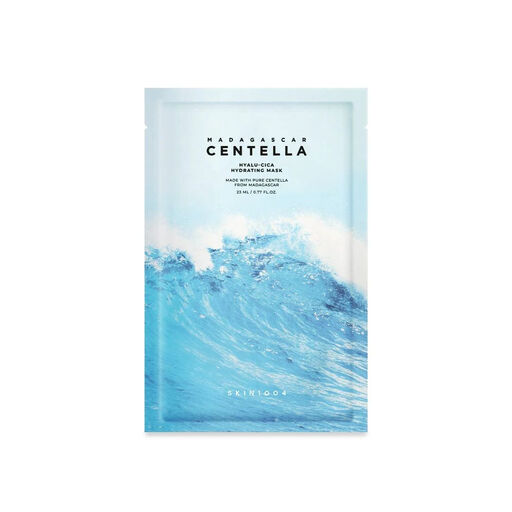
Why this fits the profile: A pack of five individual sheet masks is a handy way to try a hydrating face mask without committing to a large stock straight away.
The ingredients list and usage time are clearly stated. The formula includes centella, ceramides, squalane and multiple hyaluronic acids; check the packaging for the latest information.
Five masks of 23 ml; suitable according to the product information for dry, normal, combination and sensitive skin.
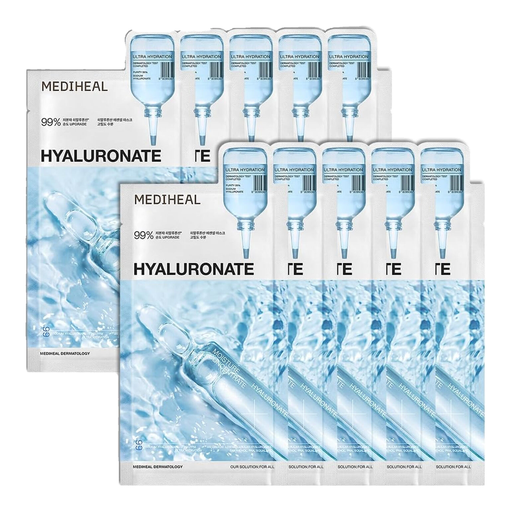
Why this fits the profile: This set is aimed at shoppers who want to build a regular weekly routine with a hyaluronic acid face mask.
The product information lists skin types, features and material choices such as fragrance free, vegan and biodegradable. Check these claims on the packaging.
Ten sheets; product description mentions hydration, moisturising care and support for the skin barrier.
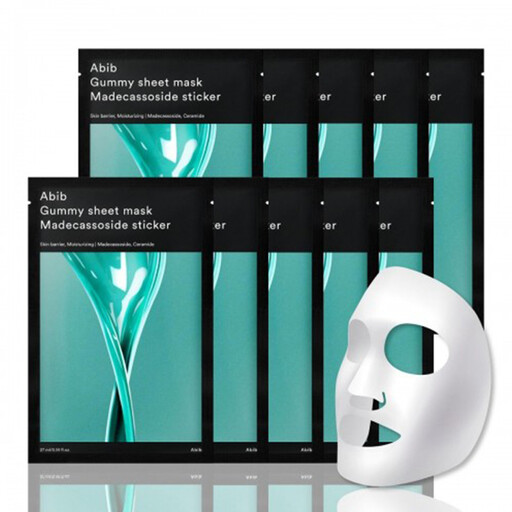
Why this fits the profile: The set suits anyone who regularly uses a Korean face mask routine and values a thin sheet with a generous amount of essence.
The product description mentions 10 minutes of use, 10 sheets of 27 ml and an ultra-fine fibre structure. This lets you compare format, price per use and contact time in advance.
Centella asiatica and madecassoside are mentioned in the product information; the pack contains 10 masks of 27 ml.
We’ve put together a full, up-to-date list of products that fully meet these strict selection criteria and comply with current European safety regulations.
Don’t use an exfoliating mask on the same day as several other strong acids or retinoid products if your skin reacts sensitively to them. Store unopened masks according to the label, usually in a cool, dry place away from direct sunlight.
That depends on the type and formula. A hydrating sheet mask can fit into many people’s routines once to several times a week. A mask with AHA, BHA or PHA requires more restraint. Always follow the product packaging and adjust the frequency if your skin feels tight or irritated.
Check the expiry date, batch number and period after opening on the packaging. An opened pot of wash-off mask may have a different shelf life than an individually wrapped sheet mask. Don’t use a product whose smell, colour or texture has clearly changed.
You calculate the price per use by dividing the total price by the number of masks. With a set of 10 sheets, the price per application is often clearer than with a single mask. Also compare the amount of essence, the ingredients and the contact time; a lower unit price doesn’t tell you everything about whether it’s suitable for your skin.
