
Vandaag of morgen in huis

Kwaliteit gegarandeerd

Welkomstaanbiedingen ontgrendelen: GRATIS bezorging | Tot 80% korting | Gratis 30 dagen JoyPlus-proefperiode
Download de app
A face mask can be a handy addition to your skincare routine, but not every product is right for every skin type or routine. A sheet mask packed with essence works differently from an overnight face mask. Terms like “collagen”, “PDRN” and “glow” also tell you very little on their own about how easy it is to use or whether it’s suitable for your skin.
So focus on the information you can actually verify: the ingredients list, how long to leave it on, the size, and any warnings on the packaging.
A formula with hyaluronic acid, collagen, niacinamide or botanical extracts can sound appealing. But the presence of one ingredient doesn’t automatically determine how your skin will react. The position of an ingredient in the INCI list, the overall formula, and your own personal sensitivities all play a part.
Brands are allowed to share results from their own research, but don’t treat those findings as a guarantee. For example, the Peptide Collagen Brightening Water Gel Mask states that, according to the brand’s own clinical study involving 20 women, certain experiences were reported. That result won’t necessarily be the same for every user.
A sheet mask isn’t designed to be worn all night. When the sheet dries out completely, it can feel uncomfortable. So always follow the instructions on the packaging. Some hydrogel masks are actually designed for two to three hours or an overnight treatment, but that doesn’t apply to every sheet mask.
Don’t judge a face mask for sensitive skin just by what it says on the front of the packaging. Check the INCI list for fragrance, essential oils, retinol, acids, and any other ingredients you’ve reacted to before. When trying a new product, always do a patch test on a small area of skin first. Don’t use a mask on damaged, irritated or infected skin.
Don’t just compare the price of a pack; also look at the number of masks and the amount per mask. A pack of 30 daily masks can work out cheaper per use than a set of four hydrogel masks, but the application and formula are different. Also check whether a mask is intended for single use. Reusing most sheet masks is not recommended.
For a hydrating face mask, ingredients worth looking at include glycerine, panthenol, ceramides and different forms of hyaluronic acid. A hyaluronic acid face mask can be soothing if your skin feels tight, but it doesn’t replace your daily moisturiser.
If you’re looking for a brightening face mask, you might look for ingredients like niacinamide, vitamin C or glutathione. Extra warnings are important with acids, retinol and some essential oils. A collagen face mask can temporarily make your skin look smoother or plumper thanks to its hydrating formula; cosmetic claims about structural skin changes are not a guaranteed result.
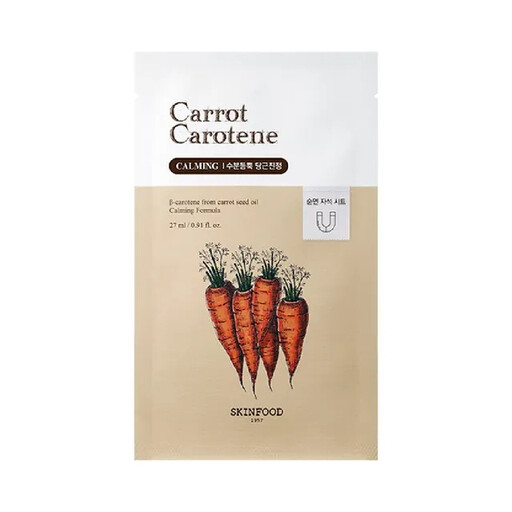
Why this fits the profile: The pack contains 10 sheet masks of 27 ml each. That makes it easy to build an affordable, regular routine without jumping straight into an intensive overnight mask.
The product information clearly states a usage time of 20–30 minutes. So you don’t have to guess how long to leave the mask on.
10 masks per pack; beta-carotene and carrot ingredients are listed in the product description.
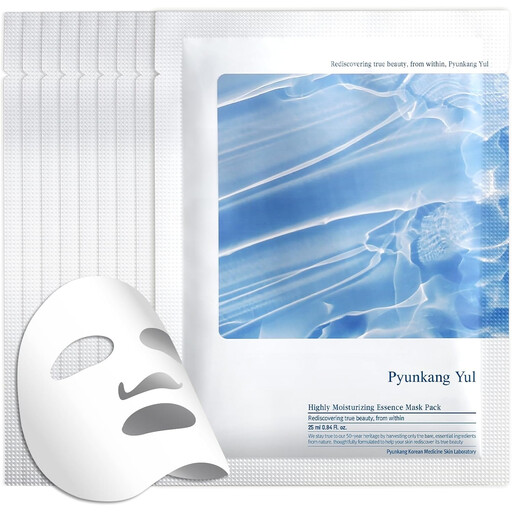
Why this fits the profile: This Korean face mask is designed for dry skin and, according to the product description, contains five types of hyaluronic acid, Ceramide NP and panthenol.
The product details clearly state the size, formula and how to use it. Always check the actual packaging and expiry date before use.
Sheet mask; five types of hyaluronic acid; Ceramide NP and panthenol according to the ingredients information.
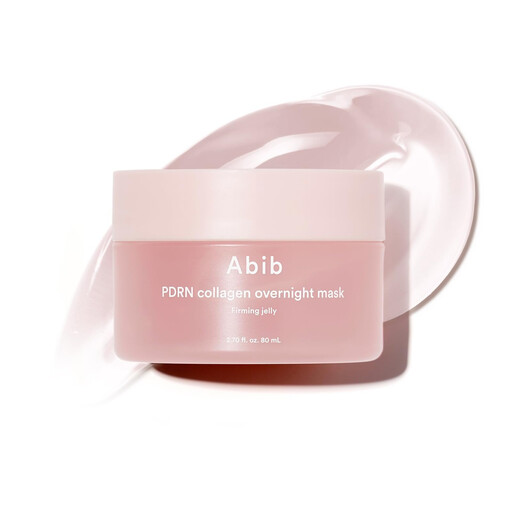
Why this fits the profile: This jelly mask is designed as the last step of your evening routine, two to three times a week according to the product information. That suits users who prefer an overnight treatment over a separate sheet mask.
The application as an overnight face mask and the recommended frequency are clearly described. If you have sensitive skin, still check the ingredients and do a patch test.
Jelly texture; plant-based PDRN and collagen are mentioned in the product description; fragrance-free according to the brand information.
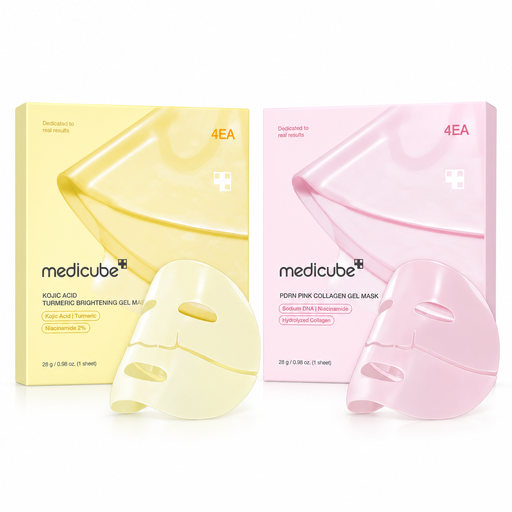
Why this fits the profile: The set combines four Kojic Acid Turmeric masks with four PDRN Pink Collagen masks. This lets you alternate between a brightening face mask and a hydrating, firming face mask.
The two mask types each have a clearly described purpose. According to Medicube’s own research, results around radiance and elasticity are mentioned; treat those figures as a brand claim, not a personal guarantee.
8 gel masks; Kojic Acid, turmeric, niacinamide, PDRN and hydrolysed collagen according to the product details.
We’ve put together a full, up-to-date list of products that fully meet these strict selection criteria and comply with current European safety regulations.
That depends on the type of mask and the formula. A gentle sheet mask is often used once to a few times a week, while some daily masks can be used more often according to the packaging. An overnight face mask, for example, might be intended for two to three times a week. Always follow the brand’s instructions, and reduce how often you use it if your skin feels tight, red or irritated.
For a face mask for dry skin, look for hydrating ingredients like glycerine, panthenol, ceramides and hyaluronic acid. A rich hydrogel mask or a creamy overnight mask can be more practical if you want to lock in moisture for longer. After a sheet mask, you might want to apply a moisturiser to finish off your routine.
Yes, but check the ingredients first. If you have a face mask for sensitive skin, choose a formula without ingredients you know you react to. Avoid using it on damaged skin, test a new product on a small area first, and stop immediately if you feel a burning sensation, itching, swelling or a rash. If symptoms persist, seek medical advice.
