
Vandaag of morgen in huis

Kwaliteit gegarandeerd

Welkomstaanbiedingen ontgrendelen: GRATIS bezorging | Tot 80% korting | Gratis 30 dagen JoyPlus-proefperiode
Download de app
A face mask can be a useful addition to your skincare routine, but not every mask suits every skin type. A clay face mask can feel beneficial for a shiny T-zone, while a hydrating face mask makes more sense if your skin feels tight. However, if you focus mainly on words such as “detox”, “glow” or “firming”, you risk buying a product that does not fit your own routine.
So keep an eye out for three common pitfalls:
The texture and application method largely determine whether a mask will fit into your routine.
A face mask for sensitive skin does not necessarily have to be completely free from active ingredients. However, be mindful of fragrance, essential oils, retinol and acids if your skin reacts easily.
For hydration, you will often see glycerine, panthenol, hyaluronic acid, betaine or ceramides. These ingredients may help dry skin feel more comfortable. Niacinamide is found in formulas designed to promote a more even-looking complexion and support your skincare routine.
Anti-blackhead face masks and masks for oily skin often contain kaolin, bentonite, salicylic acid or plant extracts. This does not mean that the product will permanently remove blackheads. Focus particularly on the combination of ingredients, the recommended frequency of use and the warnings.
An anti-ageing face mask may contain retinol, retinal, adenosine, collagen or peptides, for example. According to a brand’s own research, such ingredients may contribute to the stated skincare benefits. Retinol and retinal can increase sensitivity to sunlight. Use sun protection during the day and follow the warnings on the packaging.
A pack containing 30 sheet masks may seem good value per use, but check whether you really intend to use them regularly. A tub or tube is convenient for targeted application, while individual sachets are hygienic and easy to take with you.
Also check:
When trying a new formula, it is sensible to test it on a small area of skin first. Stop using it if you experience a burning sensation, itching, swelling or persistent redness. A cosmetic product is not intended to treat acne, eczema or any other skin condition.
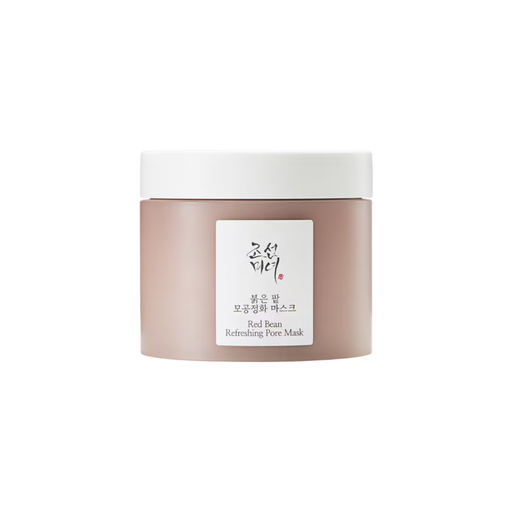
Why it suits this profile: A rinse-off mask in a tube is a straightforward choice for anyone wanting to try Korean skincare without immediately buying several separate products.
The product information states an application time of 5 to 10 minutes followed by a simple rinse, making it less tempting to leave the mask on for too long.
Kaolin, red bean powder and red bean extract; 140 ml contents and a tube format.

Why it suits this profile: This hydrogel mask is ideal for users looking for a hydrating face mask with a longer application time.
The product description explicitly states 3 to 4 hours during the day or overnight use. This makes the longer wear time clearer than with a standard sheet mask.
4 masks weighing 34 g each; contains hyaluronic acid, panthenol and several ceramides.
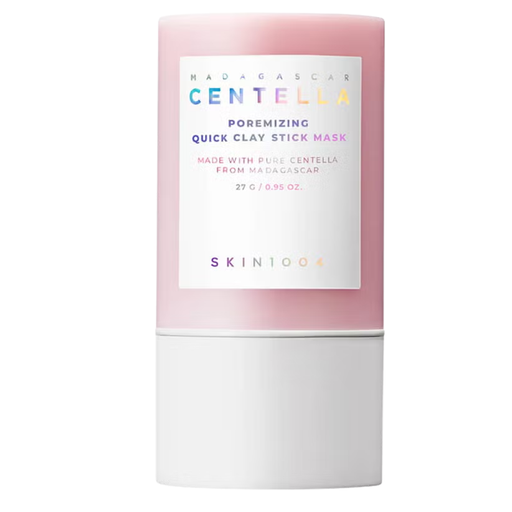
Why it suits this profile: The stick format is convenient if you only want to treat your nose, chin or forehead without scooping product out of a tub with your fingers.
The stated application time is 3 to 5 minutes. The packaging should be closed securely after use so that the product is not exposed to the air.
Stick application; formula with kaolin, bentonite, illite and montmorillonite; suitable for targeted use.
We have put together a complete, up-to-date list of products that fully meet these strict selection criteria and the applicable European safety regulations.
Do not combine several intensive steps on the same evening, such as a clay mask, scrub and acid-based product. If you have sensitive skin, you can start by using a mask once a week and monitor how your skin reacts.
It depends on the type. A clay mask or exfoliating mask is often used once or twice a week. A hydrating face mask may be used more frequently according to the label. Always check the product information and adjust the frequency according to how your skin feels.
Check the expiry date, batch number and the period-after-opening symbol on the packaging. An opened tub may deteriorate more quickly through contact with air and fingers. Close tubs and sticks immediately after use and store them somewhere cool and dry, away from direct sunlight.
Choose a short application time, test new products on a small area of skin first and take care with fragrance, essential oils, retinol and acids. A face mask may make your skin feel more comfortable temporarily, but it is not a substitute for advice from a doctor or dermatologist if skin problems persist.
