
Vandaag of morgen in huis

Kwaliteit gegarandeerd

Welkomstaanbiedingen ontgrendelen: GRATIS bezorging | Tot 80% korting | Gratis 30 dagen JoyPlus-proefperiode
Download de app
A face mask can be an easy addition to your skincare routine. But it can be tricky to work out which product really suits your skin type and routine. Sheet masks, hydrogel masks and clay masks are designed for quite different purposes.
Marketing copy doesn’t always make the choice any easier. Words such as “glow”, “lifting” and “pore-cleansing” often describe the look you’re aiming for, but tell you little about the formula, how long to leave it on or whether it might cause irritation. Use these checks to help avoid a disappointing purchase.
Collagen, hyaluronic acid and niacinamide often feature in product names. The presence of one of these ingredients doesn’t mean every skin type will react in the same way. So check the full ingredients list and the instructions too.
With a collagen mask, for example, the formula, type of mask and how you use it all matter. A product may leave your skin feeling temporarily hydrated or smoother, but that doesn’t guarantee a lasting effect.
Leaving a mask on for longer isn’t always better. A sheet mask is usually removed after 15 to 20 minutes. Some hydrogel masks, on the other hand, are designed to stay on for three to four hours or be worn overnight. Always follow the instructions on the packaging.
Clay masks are generally left on for less time. When clay dries completely and starts to feel tight, it can be uncomfortable, especially if you have dry or sensitive skin.
A pore-cleansing mask with clay, salicylic acid or other exfoliating ingredients may suit oily or combination skin, but could be too intense for sensitive skin. Essential citrus oils, fragrance and certain acids are also worth checking carefully.
If you’re unsure, check the ingredients. Do a patch test before using the mask for the first time, and stop if you develop redness, itching, a burning sensation or swelling. Don’t use a mask on damaged or irritated skin.
For a hydrating face mask, look for glycerine, panthenol, ceramides and different forms of hyaluronic acid. A formula containing clay, kaolin or bentonite is more focused on absorbing excess oil and leaving skin feeling cleansed.
If you’d like to try a collagen mask, check whether collagen is actually listed in the ingredients, and look at the other ingredients too. Brands’ product claims don’t guarantee that every user will have the same experience.
For example, Dr.Jart+ product information lists hyaluronic acid, Pentavitin and SJC-GG. The stated 108% improvement in hydration is based on a test with 32 women, according to the brand’s product information. So you can’t assume that the result will apply to every user.
A good fit helps stop essence running down your face. Also check whether the mask comes in one or two pieces and whether it suits your routine. A mask designed to stay on for three to four hours takes more planning than a 15-minute sheet mask.
Also check:
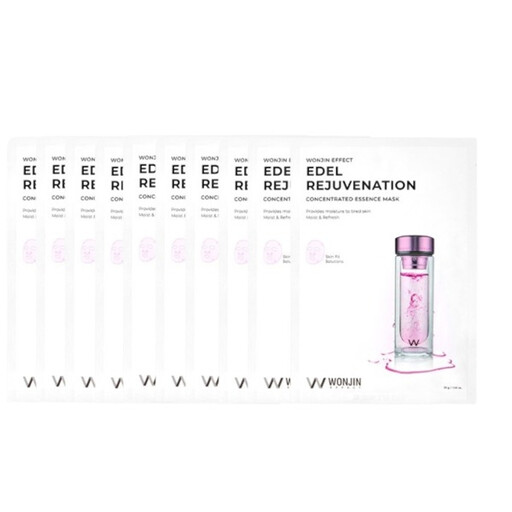
Why it suits this profile: A pack of 10 sheet masks makes it easy to include a quick skincare step in your routine regularly, without committing to a tub or a complicated treatment.
The instructions are straightforward: apply to a cleansed face, leave on for 15–20 minutes, then massage in the remaining essence. This makes it easy to keep track of the wear time.
10 individual masks; 15–20-minute wear time; a practical choice for a regular routine.
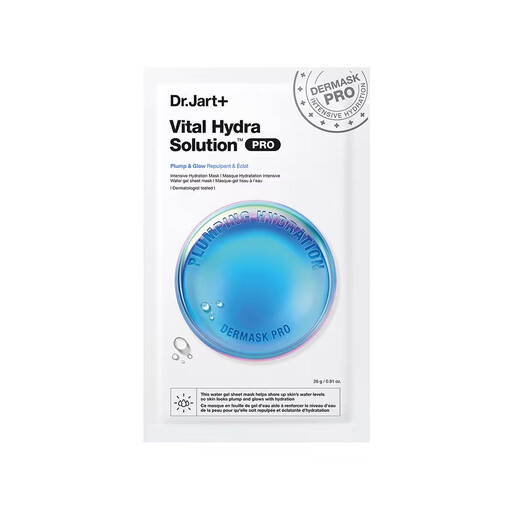
Why it suits this profile: According to the product information, this sheet mask is designed to hydrate and contains ingredients including hyaluronic acid, glycerine and Pentavitin.
The instructions specify a wear time of 15–20 minutes and recommend using it once a week or as needed.
26 g of essence; a sheet mask for a quick routine; a formula with hyaluronic acid and glycerine.

Why it suits this profile: This hydrogel mask is designed for extended wear: three to four hours during the day or overnight, until the mask turns transparent.
The extended wear time is clearly stated, so you won’t need to leave a short-wear sheet mask on for longer than intended.
4 masks, each weighing 34g; hydrogel texture; ingredients list includes panthenol, hyaluronic acid and ceramides.
We’ve put together a complete, up-to-date list of products that meet these strict selection criteria and the applicable European safety requirements.
It depends on the type of mask and its formula. A hydrating sheet mask is often used once a week or as needed. A clay mask or peel-off mask is usually suitable for one or two uses a week. Always follow the product instructions, and use it less often if your skin feels tight or irritated.
Choose a formula with a short, easy-to-understand ingredients list, and check for fragrance, essential oils and exfoliating acids. You should still test a face mask for sensitive skin on a small area first. A product page stating “suitable for sensitive skin” doesn’t replace checking how your own skin reacts.
Not always. With many sheet masks, you can massage in the remaining essence without rinsing. Clay masks, peel-off masks and some wrapping masks need to be removed or rinsed off according to the instructions. So check the packaging before using the product.
