
Vandaag of morgen in huis

Kwaliteit gegarandeerd

Welkomstaanbiedingen ontgrendelen: GRATIS bezorging | Tot 80% korting | Gratis 30 dagen JoyPlus-proefperiode
Download de app
A face mask can be a useful addition to your skincare routine. However, it is easy to buy a product that does not suit your skin type, routine or expectations. For example, a sheet mask can provide pleasant hydration, while a clay mask absorbs excess sebum. If you only focus on terms such as “intensive”, “glow” or “anti-ageing”, you may sometimes end up paying for marketing rather than a formula that suits your needs.
This guide will help you compare face masks based on their format, ingredients, ease of use and suitability for your skin.
Words such as “repairing”, “rejuvenating” and “radiant” sound appealing, but they do not automatically tell you how a mask will work on your skin. According to a brand’s own research, certain ingredients may support a particular effect, but results will not be the same for everyone. Always check the ingredients list and directions for use first.
An anti-ageing face mask with collagen may temporarily make the skin feel smoother or plumper. That does not mean it reverses structural skin ageing. A brightening face mask may make the skin look fresher, but it is not a substitute for daily sun protection.
Skin that feels dry will usually benefit more from hydrating ingredients than from a strongly cleansing clay mask. Overuse of a clay mask can actually cause tightness. For sensitive skin, fragrance, essential oils or alcohol-containing formulas may require extra consideration.
Always read the full product information. “Suitable for all skin types” is a broad description, so also check whether the product contains fragrances, essential oils or other ingredients you have reacted to in the past.
Longer does not automatically mean more effective. A sheet mask that dries out may feel uncomfortably tight. A rinse-off mask can become too intense if you leave it on for much longer than stated on the packaging. Follow the recommended time and stop if you experience a burning sensation, itching or noticeable redness.
A sheet mask is soaked in essence and is usually easy to apply. This type works well for a short skincare routine of around 10 to 30 minutes. A cream or gel mask is often more economical to use because you can decide how much to apply. A sleeping mask is left on as the final step of your evening routine and rinsed off the following morning, unless the packaging states otherwise.
A clay or mud mask is intended for a cleansing treatment. Pay attention to the recommended frequency. A mask containing Dead Sea mud, such as the Schaebens product mentioned below, contains, according to the listed ingredients, substances including silt and kaolin.
For a hydrating face mask, relevant ingredients to look out for include glycerine, panthenol, ceramides and hyaluronic acid. According to the product information, a hyaluronic acid mask mainly helps bind moisture to the skin; the effect depends, among other things, on the overall formula and your daily moisturiser.
For a face mask for dry skin, several moisturising ingredients and a comfortable base are often more practical than a strongly degreasing formula. When choosing a face mask for sensitive skin, pay particular attention to fragrance, essential oils and alcohol. If you tend to react quickly, test a new product on a small area of skin first.
Do not compare only the price per pack, but also the number of masks and the amount of essence. A box containing five or ten sheets can be convenient if you use a mask weekly. A pot or tube may be better value if you only apply the product to specific areas or use a thin layer.
Check the shelf-life information and directions for use on the packaging. The stated date or period after opening may vary from product to product. Do not use a mask if its smell, colour or texture has clearly changed.
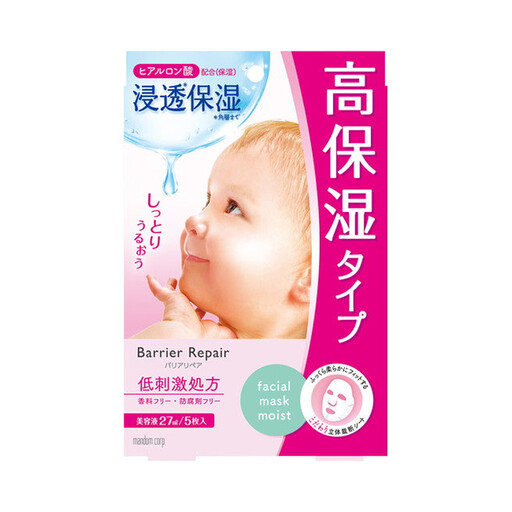
Why it suits this profile: A box containing five sheet masks is a straightforward option for anyone wanting to try a hydrating face mask without buying a large supply straight away.
The product information clearly states the type, variant and quantity. This means you can see in advance that it contains five individual sheets rather than a mask in a pot.
Sheet mask format; hyaluronic acid variant according to the product description; five pieces per box.
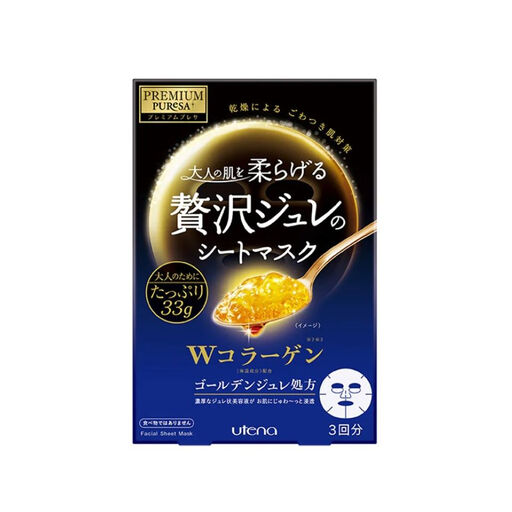
Why it suits this profile: The gel-like 33-gram essence and the recommended use of once or twice a week make it suitable for a more extensive skincare treatment.
The application time of 20 to 30 minutes and the recommended frequency are clearly stated. You do not have to guess how often or how long to use the collagen mask.
Three sheets; 33 grams of essence per mask; ingredients list including hydrolyzed collagen, ceramide 2 and squalane.
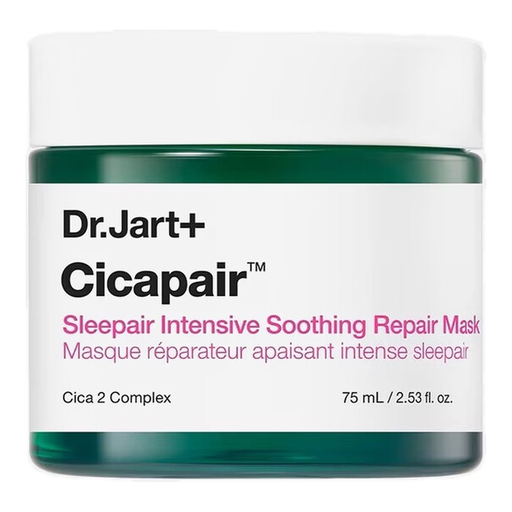
Why it suits this profile: This gel mask is designed as the final step of your evening routine and, according to the directions, remains on the skin overnight.
The distinction between a sleeping mask and a rinse-off mask is clearly stated. However, note that the ingredients list includes alcohol denat.; this may cause stinging on sensitive skin.
75 ml; gel texture; according to the ingredients list, contains ingredients including niacinamide, glycerine and Centella Asiatica extract.
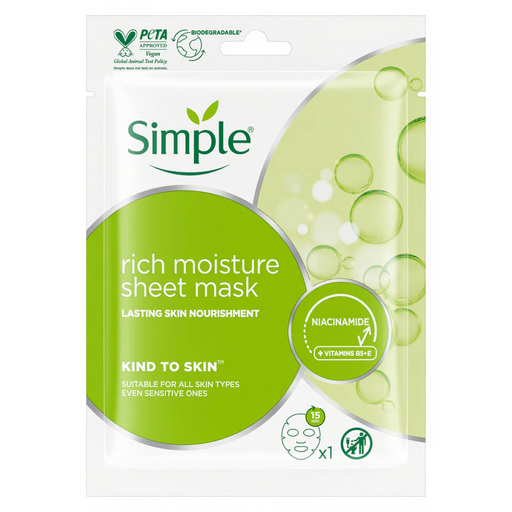
Why it suits this profile: This sheet mask contains 21 ml of essence and, according to the product information, is fragrance-free and designed for dry and sensitive skin.
The 15-minute application time and recommendation to use it once or twice a week help prevent overuse. If you experience a reaction, still check the full ingredients list.
Plant-fibre sheet; stated to be fragrance-free and hypoallergenic; according to the product information, contains niacinamide, provitamin B5 and vitamin E.
We have put together a complete, up-to-date list of products that fully meet these strict selection criteria and the applicable European safety regulations.
Avoid using several strong active products at the same time if your skin is prone to sensitivity. Testing a new mask on a small area first can help you spot an unwanted reaction sooner. If irritation persists, it is advisable to stop using the product and seek medical advice.
It depends on the type. Many sheet masks are used once or twice a week. A clay mask may also be recommended once to three times a week, although dry or sensitive skin may need less frequent use. Always follow the label of the specific product.
Often, yes, particularly when the formula contains moisturising ingredients such as glycerine, panthenol, ceramides or hyaluronic acid. However, a face mask for dry skin is not a substitute for a daily moisturiser. Apply a nourishing cream after use if your skin continues to feel tight.
A clay mask is usually applied for a short time and then rinsed off. It is mainly suited to a cleansing routine. A sleeping mask is generally a gel or cream product that you apply as the final step of your evening routine and leave on for longer. Choose according to your skin’s needs and always check the directions for use.
