
Same-day & Next-day Delivery

Quality Guaranteed

Unlock Your Welcome Offers: FREE Delivery | Up to 80% OFF | Free 30-day JoyPlus trial
Download the APP
A face mask can be a handy addition to your skincare routine, especially when your skin feels dry, tight or lacklustre. However, it’s not wise to rely solely on words like “glow”, “collagen” or “intensive repair”. The ingredients, how long you leave it on and the fit all play a part in whether a mask is a practical choice for your routine.
A product packed with active ingredients isn’t automatically right for every skin type. A hyaluronic acid mask can be particularly appealing when you want to add extra moisture. Ceramides, glycerine and panthenol are often used in formulas designed to lock in hydration. If you have sensitive skin, it’s also wise to check for fragrance, essential oils and any known allergens.
Pay attention to how claims are worded, too. When a brand talks about reducing redness, firming the skin or fading wrinkles, you should treat this as a marketing claim. According to the brand’s own research or the product description, this isn’t the same as a guaranteed result for every user.
A sheet mask is typically used for 10 to 20 minutes, whereas some hydrogel masks can be left on for several hours or even overnight. Longer isn’t necessarily better. Always follow the instructions on the packaging. A dried-out mask can feel uncomfortable and doesn’t fit well into a routine where you want to be quick.
A night mask or sleeping mask works differently from a single-use mask. It’s usually a gel or cream product that you apply as the last step and don’t rinse off. So check whether the product is intended for daily use, once or twice a week, or just occasionally.
A face mask for sensitive skin may be fragrance-free or contain ingredients like Centella asiatica, aloe vera or panthenol. That doesn’t mean every sensitive skin type will tolerate it without a reaction. If in doubt, test a small amount on a limited area first, and stop if you feel a burning sensation, itching, swelling or noticeable irritation.
First, decide on the aim of your routine:
A sheet mask consists of a sheet soaked in essence. It’s easy to use, but the fit varies from face to face. A hydrogel mask often adheres closely and feels gel-like. Some variants become transparent after a few hours; that’s a characteristic of the material, not proof that all the ingredients have been fully absorbed.
A clay mask, such as a Dead Sea mask, is primarily aimed at cleansing. Such a product is less suitable if you’re only looking for intensive hydration. Use it for the recommended time and avoid the eye and lip area.
Compare the number of masks per pack and the recommended frequency. A pack of ten sheet masks can be more economical for regular use than a single intensive mask. Also check the expiry date, batch information and the period after opening on the packaging.
Do not reuse single-use masks. Store opened or unopened products according to the instructions, usually in a dry, sealed place away from direct sunlight. Products that change in texture, smell or colour are best discarded.
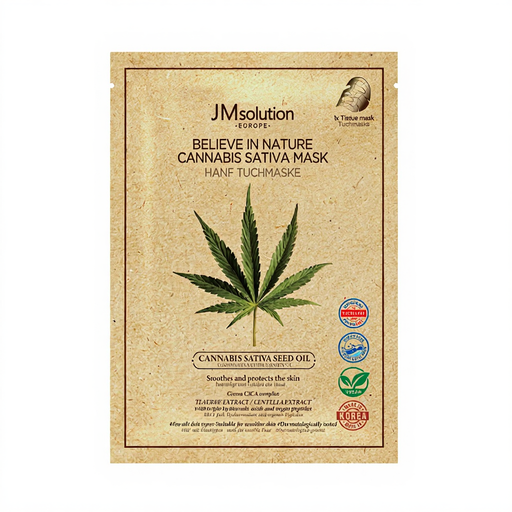
Why this fits the profile: A set of ten sheet masks is practical when you want to incorporate a hydrating face mask regularly without buying a large assortment straight away. The product description mentions cannabis sativa seed oil and a focus on hydration.
The number of pieces is clearly stated, so you can compare the cost per use more easily. Check the full ingredients list and warnings on the packaging.
10 sheet masks; focused on hydration; suitable for a weekly skincare routine.

Why this fits the profile: According to the product information, this hydrogel variant contains ceramides, panthenol and several forms of hyaluronic acid. The recommended wear time is 3 to 4 hours or overnight.
The wear time and when the mask becomes transparent are described, so you don’t have to guess how long to leave it on.
4 hydrogel masks; ceramides and hyaluronic acid in the ingredients list; suitable for intensive care sessions.
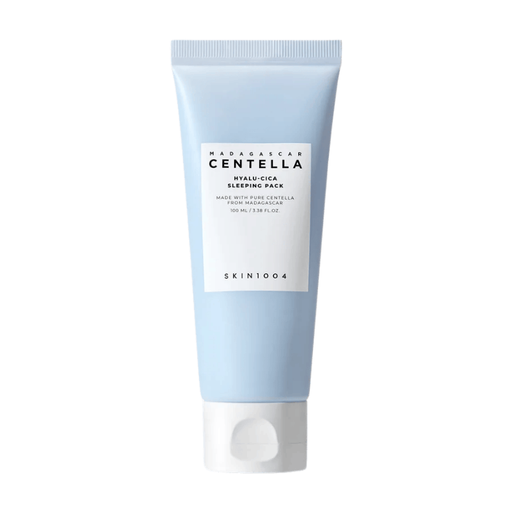
Why this fits the profile: This is a cream-like night mask containing Centella asiatica, hyaluronic acid, panthenol and niacinamide according to the product information. You apply a thin layer and don’t need to rinse it off.
The application is clearly different from a sheet mask: apply thinly, let it absorb and don’t rinse off. This prevents any misunderstanding about the wear time.
30 ml pot; overnight use; Centella asiatica and various forms of hyaluronic acid listed in the ingredients.
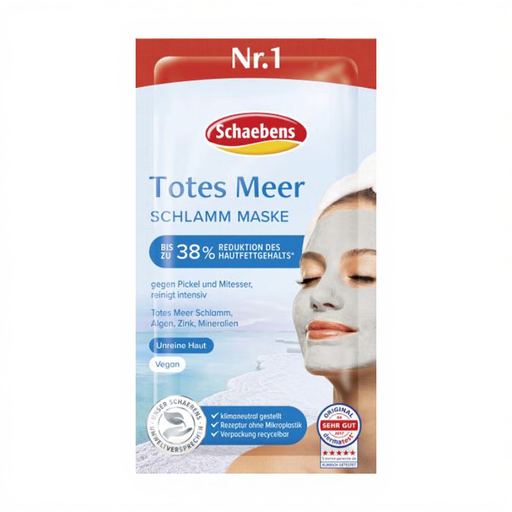
Why this fits the profile: According to the product description, this clay mask contains Dead Sea mud, kaolin, chamomile and aloe vera. It’s intended for 10 to 15 minutes, then rinse off with warm water.
The short wear time makes it clear that this isn’t a night mask or an intensive hydrating sheet mask. This helps you plan it alongside your other skincare.
15 ml pack; 10–15 minute wear time; formula free from microplastics, PEGs, silicones, paraffins and colourants according to the product information.
We’ve put together a full, up-to-date list of products that fully meet these strict selection criteria and comply with current European safety regulations.
Do not use a mask on damaged skin. If irritation, redness or swelling persists, it’s wise to stop using it and seek professional advice.
It depends on the type and the instructions. A hydrating sheet mask is often used once or several times a week. A clay mask may have a different frequency, and a night mask can sometimes be applied more often. Always follow the label.
A hydrogel mask with ingredients like glycerine, hyaluronic acid or panthenol can suit dry skin. Also check the ingredients list and, if needed, combine it with a regular moisturiser to lock in moisture better.
A sheet mask is a pre-shaped, usually single-use sheet that you remove after a limited time. A night mask is typically a gel or cream that you apply as the last step and leave on overnight. The texture, wear time and quantity are therefore clearly different.
