
当日/次日达

品质保障

开启新人专享福利: 全场免邮 | 低至 2 折 | 免费试用 30 天 JoyPlus 会员
下载 Joybuy
A face mask might seem like a simple purchase, but the options vary enormously. A sheet mask, hydrogel face mask and clay face mask each have a different purpose and formulation. If you only focus on terms like “glow”, “lifting” or “pore minimising”, you could end up buying a product that doesn’t suit your skin or your routine.
As a Joybuy Product Recommendation Officer, I filter out the marketing language and focus on verifiable information: the texture, ingredients list, application method, volume and warnings on the product page. That way, you can quickly see which Korean face mask matches your needs.
Words like “anti-ageing”, “pore minimising” and “glass skin” often describe a product’s positioning, not a guaranteed outcome. According to the product descriptions of some brands, a mask can temporarily make the skin look smoother, plumper or more hydrated. That is different from a lasting change.
So look at the concrete details:
“Suitable for all skin types” does not automatically mean every formula will feel comfortable. A clay mask, for example, can be good for oily or combination skin, but less comfortable if your skin tends to feel tight. A rich, hydrating mask with shea butter might be ideal for dry skin, but can feel heavy on oilier skin.
So read both the skin type indication and the full ingredients list. If you’re looking for a face mask for sensitive skin, pay extra attention to fragrance, limonene, tea tree oil, citrus oils and active ingredients like retinol or acids.
Leaving a mask on for longer is not always better. A sheet mask that starts to dry out after 15 to 30 minutes can feel uncomfortable. Hydrogel masks that turn transparent sometimes have a much longer wear time. and Biodance, for example, recommend an application of several hours or overnight for certain hydrogel products.
Always follow the instructions on the packaging. Stop if you feel a burning sensation, itching, redness or swelling.
A sheet mask is usually a fibre or rayon sheet soaked in essence. It’s practical for a quick skincare routine. A hydrogel face mask often adheres more closely to the skin and can hold more essence, but may require a longer application time.
A clay mask, such as a pore-cleansing mask, is applied to the skin and then rinsed off. A stick format can be less messy. Check whether you need to cover your whole face or just the T-zone.
Don’t just compare the price of the pack; also compare the number of masks. A pack of ten sheet masks is suitable for regular use. A hydrogel mask with three or four pieces is more of an intensive weekly treatment. A pot or stick can offer multiple applications, but pay attention to hygienic use and the expiry information on the packaging.
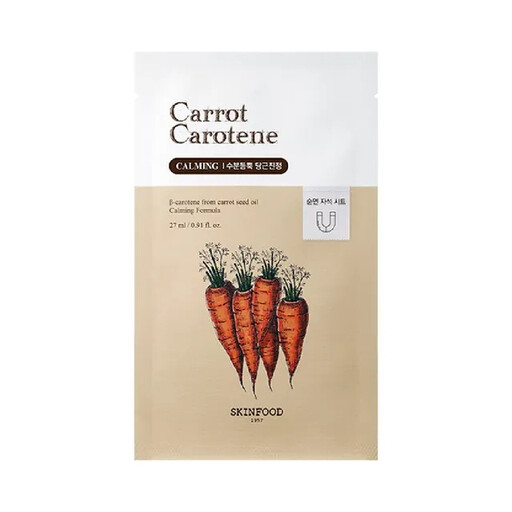
Why this fits: The pack contains 10 sheet masks of 27 ml, handy if you want to try Korean skincare regularly without committing to a long-term routine straight away.
You can see the number of applications and the recommended wear time of 20–30 minutes, rather than just a vague glow promise.
According to the product description, the essence contains carrot extract and beta-carotene; the formula is designed for moisture and a comfortable skin feel.
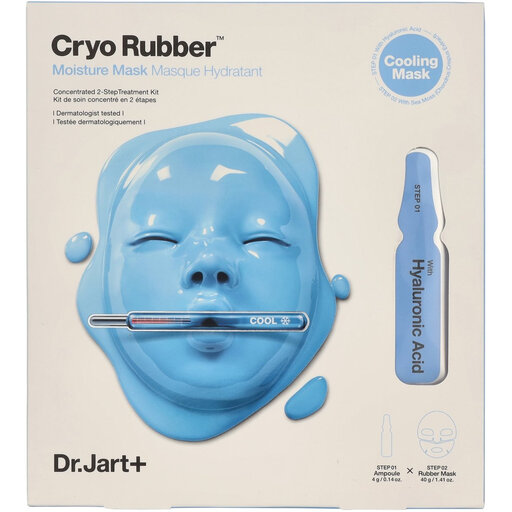
Why this fits: This two-step system combines an ampoule with a flexible rubber-like mask and is perfect for a relaxing skincare moment at home.
The wear time is clearly stated: approximately 30–40 minutes. So you don’t have to guess how long to leave the mask on.
Hyaluronic acid, glycerine and panthenol are listed in the product information as components of the hydrating formula.
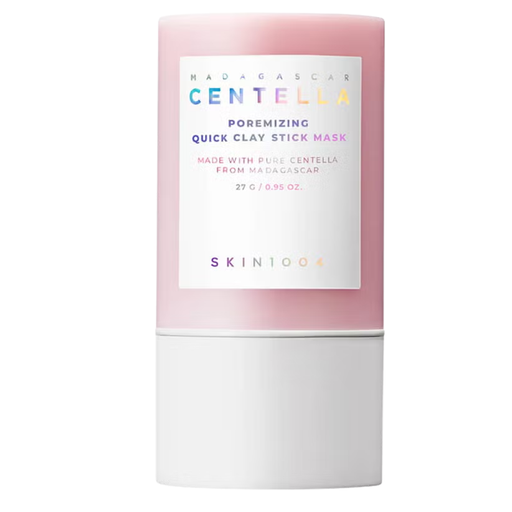
Why this fits: The stick format is practical for the T-zone or specific areas of the face, and it minimises contact with your hands.
You can apply the clay mask precisely where needed, rather than covering your whole face when only the T-zone needs extra attention.
The product page states a stick format of 27 g and suitability for normal, combination, dry and oily skin types, among others.
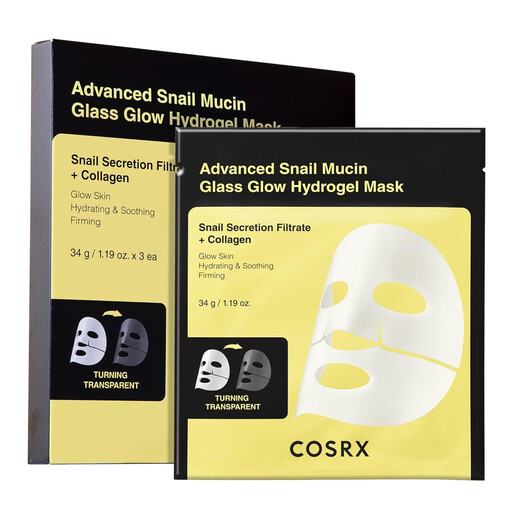
Why this fits: The hydrogel version is ideal for those who want a longer skincare session and a mask that, according to the instructions, turns transparent.
The instructions mention an application time of 2–3 hours or overnight. That stops you from treating it like a standard 15-minute sheet mask.
The ingredients list includes niacinamide, panthenol, hyaluronic acid, ceramides and allantoin. A patch test is strongly recommended.
A face mask can be a practical addition to your routine, but it doesn’t replace daily cleansing, moisturiser or sun protection. Compare the formula, wear time and quantity per pack. For more options, browse the full range of skincare masks.
Browse a current selection of face masks with different formulas, textures and uses.
It depends on the type. A hydrating sheet mask can be part of a weekly routine, while a clay mask is often used once or twice a week according to the product instructions. With retinol products, it’s wise to follow the directions carefully and build up gradually.
Check the expiry date, batch information and any period-after-opening symbol on the packaging. Single-use sheet and hydrogel masks should be used immediately after opening and then thrown away. Close pots and sticks tightly to prevent them from drying out.
Choose a short ingredients list without unnecessary fragrances and test on a small area of skin first. Pay extra attention to limonene, tea tree oil, citrus oils, retinol, glycolic acid and salicylic acid. Stop using it if irritation occurs, and consult a doctor or dermatologist if symptoms persist.
