
Vandaag of morgen in huis

Kwaliteit gegarandeerd

Welkomstaanbiedingen ontgrendelen: GRATIS bezorging | Tot 80% korting | Gratis 30 dagen JoyPlus-proefperiode
Download de app
A face mask can be a useful addition to your skincare routine, but it’s all too easy to buy the wrong product. A sheet mask that doesn’t fit properly, a formula with ingredients your skin can’t tolerate, or a host of marketing claims with no clear specifications – any of these can lead to a disappointing purchase.
With Korean skincare in particular, you’ll come across plenty of terms like collagen mask, hydrogel mask, overnight mask and anti-ageing face mask. On their own, these words don’t tell you enough. So, look at the material, the wear time, the ingredients list and the warnings on the packaging instead.
A formula packed with dozens of ingredients sounds impressive, but more doesn’t automatically mean better. Pay attention to the ingredients that suit your goal:
Just because an ingredient is listed doesn’t prove the product will deliver a specific result. Brands can make additional claims based on their own research, but always check the product information and instructions for use.
A face mask for sensitive skin isn’t automatically suitable for everyone. Watch out for fragrance, essential oils and known fragrance allergens. For example, the Dear, Klairs Midnight Blue Calming Sheet Mask is described as fragrance-free, yet the ingredients list includes tea tree oil and limonene. That makes a patch test a wise idea.
Always try a new product on a small area of skin first. Stop if you feel a burning sensation, itching, redness or swelling. Do not apply a mask to damaged, infected or severely irritated skin.
Leaving a mask on for longer isn’t always beneficial. A classic sheet mask is typically designed for around 10 to 20 minutes. A hydrogel mask or overnight mask may have a different wear time. If a sheet dries out completely, it can feel unpleasant and make the experience less comfortable.
Always follow the instructions on the packaging. A product that turns transparent, like some Biodance and masks, has a specific usage moment that you shouldn’t confuse with a regular sheet mask.
A sheet mask is usually made from rayon, cellulose, biocellulose or another fibre structure. The material largely determines how the mask feels and fits. Also look at:
A hydrogel mask generally fits closely and often contains a gel-like formula. This can be pleasant if you plan to sit still during the treatment. A cream or gel mask from a pot or tube is more flexible in terms of quantity, but usually needs to be rinsed off or used as the final step in your routine.
Check whether the mask is intended for:
An overnight mask like the Abib PDRN Collagen Overnight Face Mask is used as the last step, two to three times a week, according to the product description. A classic sheet mask is typically for single use. Reusing a disposable mask is unhygienic and is not recommended by the product information.
A product containing collagen, PDRN, peptides or adenosine shouldn’t automatically be considered a medical or proven anti-ageing product. So, keep your expectations realistic: a mask can leave your skin feeling temporarily hydrated, supple or comfortable. Claims about firming or wrinkles are brand claims and should be read as such.
Also check whether the product contains fragrances, retinol, essential oils or other ingredients you may be sensitive to. If a product contains retinol, extra attention to sun protection during the day is important.
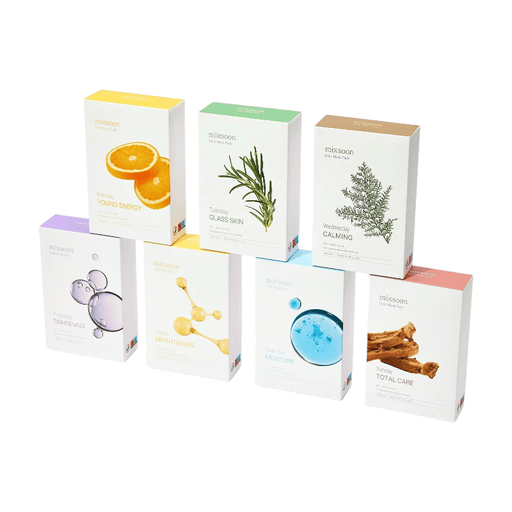
Why this fits the profile: This set contains 10 masks of 20 ml and is designed for anyone who wants to alternate between different skincare goals without buying several individual products.
The packaging states the content per mask and the set includes different variants. Do check the ingredients separately, as the formulas vary by day.
10 individual sheet masks; variants for soothing and hydration among others; clear wear time of 20–30 minutes.
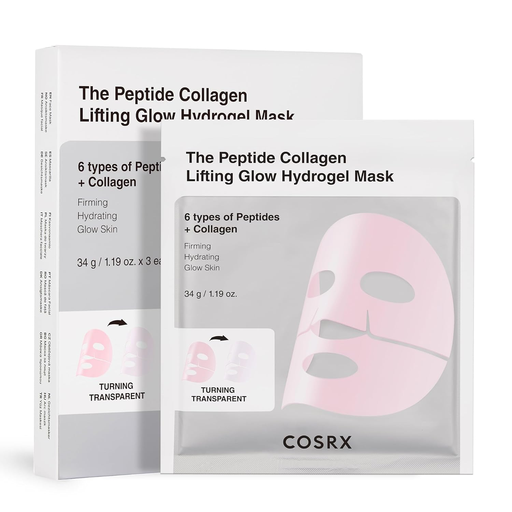
Why this fits the profile: This hydrogel mask is aimed at users looking for a close-fitting mask with peptides, collagen, hyaluronic acid and ceramides in the formula.
The wear time is clearly stated: two to three hours or until the mask turns transparent. A patch test is explicitly recommended.
3 masks of 34 g; hydrogel structure; contains multiple forms of hyaluronic acid and ceramide ingredients.

Why this fits the profile: Ideal for anyone who wants to wear a hydrating face mask for longer, for example during a relaxing evening routine.
The product information gives a specific wear time of three to four hours during the day or overnight use. Not suitable for damaged or irritated skin.
4 hydrogel masks; contains hyaluronic acid, panthenol and multiple ceramide ingredients; turns transparent during use.
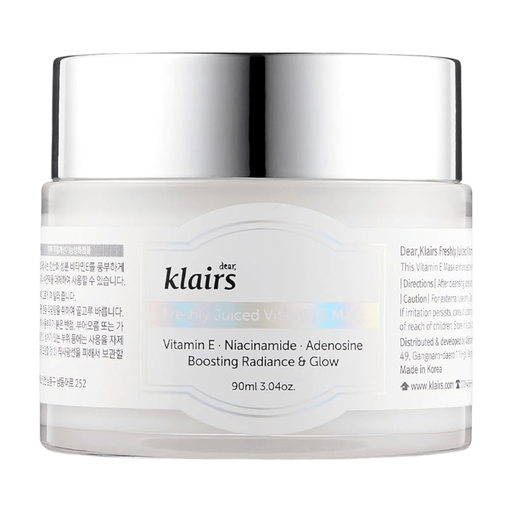
Why this fits the profile: The gel texture can be used as a moisturiser or as a sleeping pack, so you can adjust the amount to suit your routine.
You don’t need to stick to a fixed sheet wear time. However, do be aware of the listed essential oils and fragrance allergens, especially if you have sensitive skin.
90 ml content; gel texture; contains vitamin E, niacinamide, hyaluronic acid and ceramide NP.
We’ve put together a full, up-to-date list of products that fully meet these strict selection criteria and comply with current European safety regulations.
Store unopened masks in a cool, dry place away from direct sunlight. Check the expiry date and batch number on the packaging.
That depends on the type and formula. A hydrating sheet mask can be used several times a week according to the product instructions. An overnight mask or a formula with retinol, essential oils or lots of active ingredients is best used less often. Always follow the label and stop if irritation occurs.
It can be, but the material doesn’t tell you anything about how well the formula will be tolerated. Check the ingredients list for fragrance, essential oils and fragrance allergens. If in doubt, do a patch test on a small area of the body first.
Not always. A sheet mask or hydrogel mask is usually removed, after which you can massage the remaining essence in. A cream or clay mask, on the other hand, may need to be rinsed off. The instructions for the specific product are what you should follow.
