
Vandaag of morgen in huis

Kwaliteit gegarandeerd

Welkomstaanbiedingen ontgrendelen: GRATIS bezorging | Tot 80% korting | Gratis 30 dagen JoyPlus-proefperiode
Download de app
A face mask can be a convenient addition to your skincare routine. However, just because a package uses words like "intensive," "restorative," or "glow" doesn't automatically mean you're paying for a superior formula. The right choice depends primarily on your skin's needs, the ingredients, the duration of use, and how you intend to apply the mask.
Based on its own research or product description, a brand may claim that a mask reduces redness, repairs the skin, or fades dark spots. These are not universally guaranteed results. Therefore, first look for verifiable information:
A vitamin C face mask, for example, might be intended for a brighter complexion, but on its own, it says nothing about the result on your skin.
Centella asiatica, matcha, green tea, hyaluronic acid, and vitamin C are common in Korean skincare. However, the overall formula is more important than a single ingredient on the front of the package. A centella asiatica mask may suit a need for soothing care, while a matcha face mask is often chosen for hydration and a refreshed feeling.
Also, check if your skin has previously reacted to perfume, essential oils, or preservatives. For sensitive skin, a short ingredient list isn't always mandatory, but a clear formula makes comparison easier.
Leaving it on longer is not automatically more effective. Sheet masks and gel masks are typically used for about 10 to 20 minutes. A clay mask, on the other hand, may be applied for a shorter time and must be rinsed off according to the product instructions. Cleansing or exfoliating too often can feel uncomfortable, especially when your skin is already dry or irritated.
For dry skin, ingredients like glycerine, hyaluronic acid, and sodium hyaluronate are often used in hydrating formulas. For a need for soothing, you'll frequently see centella asiatica, aloe vera, allantoin, or green plant extracts.
A face mask for redness may, according to the product description, be aimed at a more comfortable skin feel, but redness can have various causes. Stop if you have a clear reaction and, if necessary, seek advice from a doctor or pharmacist. A cosmetic mask does not replace medical treatment.
For oilier skin, you can look for clays like kaolin or bentonite. Products with these ingredients are often sold for sebum regulation, pore care, and acne care. Don't automatically use them over the entire face if your cheeks are dry or sensitive.
Before purchasing, read the full product information and check upon receipt:
First, test a new product on a small area of skin. Do not use the mask on damaged skin and avoid contact with the eyes. For products with exfoliating acids, such as PHA, it is advisable to use sun protection during the day according to the product information.
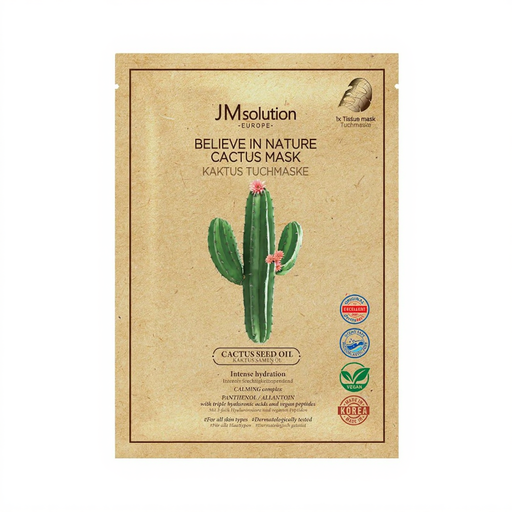
Why this fits the profile: The formula is focused on hydration, and the sheet format makes application easy for those starting with Korean skincare.
The product information clearly states the type of mask and its focus on hydration, so you don't have to rely solely on a flashy marketing term.
Sheet mask for a short routine; focused on hydrating skincare according to the product description.
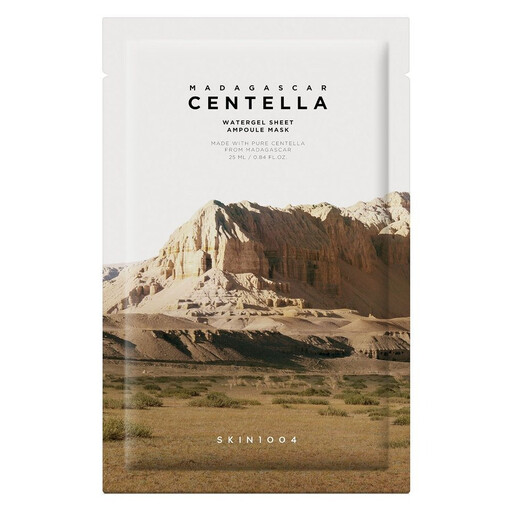
Why this fits the profile: The set contains five watergel sheet masks and is suitable for those who regularly incorporate hydration and centella care.
The amount per mask and the number of pieces are specified. This allows you to better compare the price per use.
Watergel texture; five individual masks; centella asiatica and hydrating essence according to the product description.
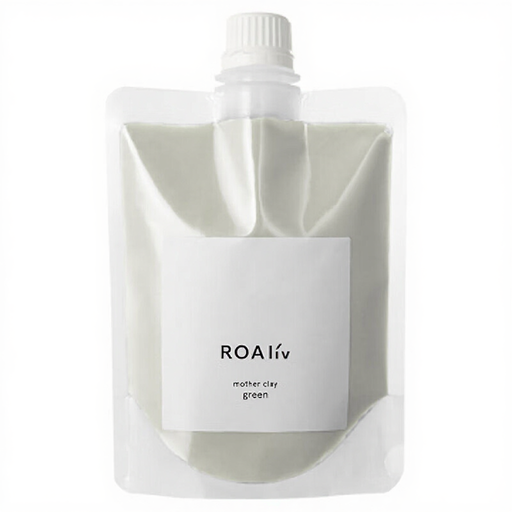
Why this fits the profile: The large package is practical for users who want to use a wash-off clay mask specifically for sebum regulation and pore care.
The instructions mention an application time of about five minutes and rinsing. This helps prevent you from leaving the clay on your skin unnecessarily long.
240 grams content; kaolin, bentonite, and illite in the ingredient list; suitable for face and certain body areas according to the product information.
We have compiled a complete, up-to-date list of products that fully meet these strict selection criteria and the applicable European safety regulations.
A soothing face mask or hydrating face mask can be pleasant after a dry day, but do not combine multiple new active products at once. This way, you can more easily identify which product might be causing a reaction.
That depends on the type and the product instructions. A hydrating sheet mask is often used several times a week. A clay mask or a mask with PHA may be suitable less frequently. Start slowly and pay attention to how your skin feels.
Always follow the label. Many sheet masks and gel masks recommend about 15 to 20 minutes. Remove the mask when it starts to dry out; leaving it on longer does not automatically provide more care.
You calculate the price per use by dividing the purchase price by the number of masks. For a pot of clay mask, divide the price by the estimated number of applications. Pay attention to the content, expiry date, and the amount you need per use.
