
Vandaag of morgen in huis

Kwaliteit gegarandeerd

Welkomstaanbiedingen ontgrendelen: GRATIS bezorging | Tot 80% korting | Gratis 30 dagen JoyPlus-proefperiode
Download de app
A face mask can be a simple addition to your skincare routine, but the choice is vast. Sheet masks, hydrogel masks, clay masks, collagen masks and sleeping masks each have a different method of use and formulation. Making the wrong choice can lead to waste, a tight feeling or irritation.
Pay particular attention to these three common pitfalls:
A sheet mask is typically soaked in essence and is disposed of after a single use. The stated application time for many varieties is between 10 and 30 minutes. A hydrogel mask often adheres closely to the skin and, according to the packaging, can be worn for several hours.
A sleeping mask usually has a gel or cream-like texture. You apply it as the last step of your evening routine and rinse it off the next morning or not, depending on the instructions. Always check this on the packaging.
For dry skin, look out for glycerine, panthenol, hyaluronic acid, beta-glucan and ceramides. These ingredients appear in various products in the range, but their presence is not a medical promise.
For sensitive skin, a short ingredients list is not automatically sufficient. Also check for fragrance, essential oils and exfoliating acids. A mask for sensitive skin should first be tested on a small area of skin. Stop if you experience redness, itching, a burning sensation or swelling.
If you have oily or combination skin, you could consider a pore-cleansing mask or clay mask with kaolin and bentonite. These ingredients can absorb excess sebum. Products with salicylic acid, glycolic acid or gluconolactone require extra attention, especially if you are already using other exfoliating products.
Don’t just compare the price of a pot or box, but also the number of applications. The Daily Mask Pack Saturday, for example, contains 10 sheet masks of 20 ml, whereas an individual ampoule sheet mask is intended for single use. A hydrogel mask is typically used one at a time.
Also pay attention to the recommended frequency. A clay mask is often used once or twice a week, while a hydrating sheet mask may fit more often into some routines. Using it more does not automatically mean more results; your skin’s tolerance remains the deciding factor.
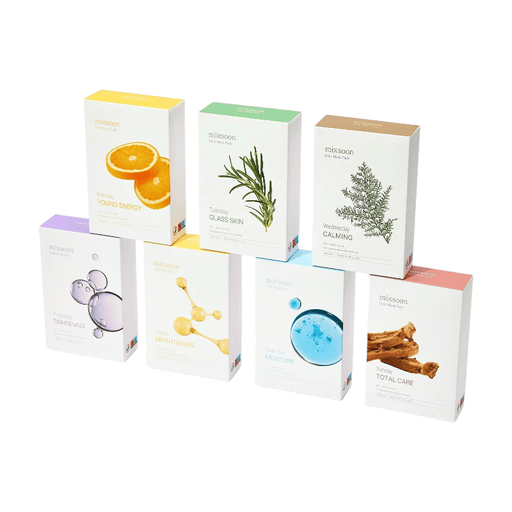
Why this fits the profile: The pack contains ten different sheet masks, so you can try out multiple textures and skincare goals without having to buy several individual packs straight away.
The contents and dosage are clearly stated: 20 ml per mask and ten pieces per pack. The label also mentions a retinol mask for Thursday; extra caution and daily sun protection are important with that one.
Ten individual sheet masks; ingredients such as glycerine, niacinamide and panthenol appear in several variants.
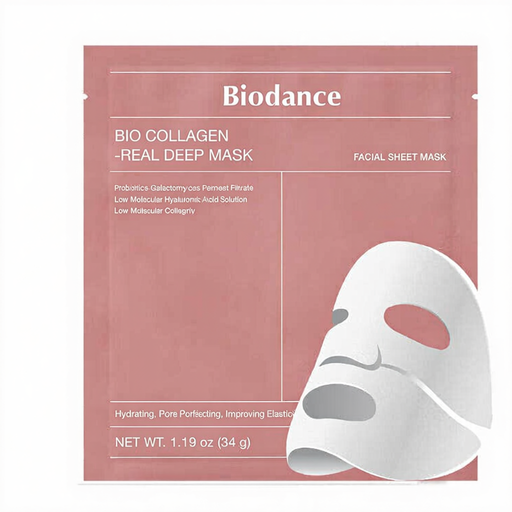
Why this fits the profile: This hydrogel mask is designed for a longer treatment. According to the usage instructions, it can be worn for three to four hours or overnight.
The application is clearly described: apply to cleansed skin and remove when the mask becomes transparent. That way, you don’t have to guess a long wear time yourself.
Four masks of 34 g; according to the ingredients list, it contains collagen extract, hydrolysed hyaluronic acid, niacinamide and allantoin.
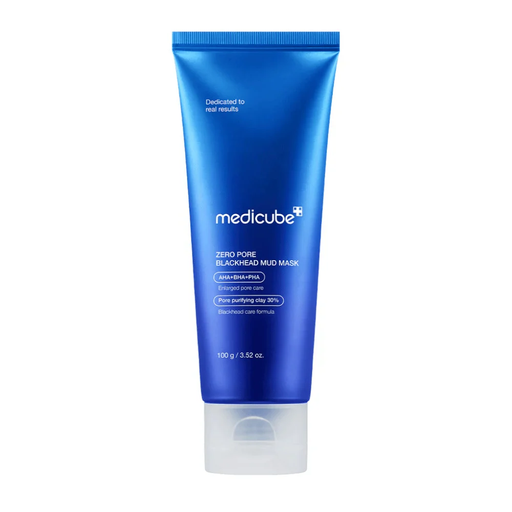
Why this fits the profile: This clay mask is designed for those who specifically want to tackle excess sebum and visible impurities, rather than primarily seeking hydration.
The wear time is limited to approximately three minutes. The ingredients list also mentions AHA, BHA, PHA and citrus oils; a patch test is therefore especially relevant for sensitive skin.
Contains kaolin and bentonite; the product instructions advise using it once or twice a week, depending on skin tolerance.
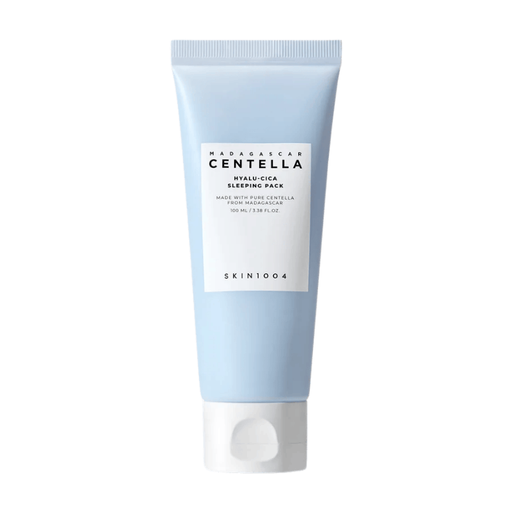
Why this fits the profile: The light gel texture is designed for evening use and, according to the product information, does not need to be rinsed off.
The application is simple: a thin layer on a cleansed face and neck, then allow it to absorb. Do check that your skin reacts well to the full formula.
Contains multiple forms of hyaluronic acid, niacinamide, panthenol and ceramide NP; suitable for a consistent nightly routine.
We have compiled a full, up-to-date list of products that fully meet these strict selection criteria and comply with current European safety regulations.
That depends on the type and your skin’s reaction. A hydrating sheet mask can be part of a regular routine, whereas a clay mask or exfoliating mask is usually used once or twice a week. Follow the packaging and do not combine multiple intensive acids on the same day.
Many sheet masks are removed after 10 to 30 minutes. Do not automatically leave the mask on until it is completely dry, as this can feel uncomfortable. Hydrogel masks sometimes have a longer recommended wear time. Always check the specific product instructions.
Choose a formula without unnecessary fragrances or strong exfoliating ingredients if possible, and always perform a patch test first. A mask with glycerine, panthenol, hyaluronic acid or centella can fit into a gentle routine, but the full ingredients list and your personal skin tolerance remain decisive. Do not use a mask on damaged or irritated skin.
