
Vandaag of morgen in huis

Kwaliteit gegarandeerd

Welkomstaanbiedingen ontgrendelen: GRATIS bezorging | Tot 80% korting | Gratis 30 dagen JoyPlus-proefperiode
Download de app
A good face mask can give your skin a serious boost. But with so many options, it's easy to make a purchase you'll regret. Pots and sachets promise the world, but don't always deliver the desired results. As a Product Recommendation Officer at Joybuy, I see which products are popular every day, but also what challenges users encounter. Let's cut through the marketing jargon and look at what you really need to pay attention to.
Before you make a purchase, it's wise to recognise the most common pitfalls:
clay mask for intense hydration is like trying to drive a screw with a saw. The type of mask is just as important as the ingredients.To avoid buying a mask that just gathers dust in your cabinet, there are a few practical things to check. This will help you find a product that actually meets your skin's needs.
Not every face mask is the same. The type largely determines its function and how it feels on the skin.
Korean skincare mask is often a sheet mask, focused on deeply nourishing the skin. They are easy to use and do not need to be rinsed off.mask for pimples and an oily T-zone.face mask for dry skin. Gel masks are lighter and often focus on calming and hydrating.anti-aging mask or hydrating mask that you leave on overnight. The formula is designed to be absorbed slowly while you sleep, so you wake up with restored skin.The ingredients list (INCI) tells the real story. Ingredients are listed in order of concentration. The first five to seven ingredients form the base of the product.
calming mask often contains ingredients like Centella Asiatica (cica), aloe vera, chamomile, or hemp seed oil (Cannabis Sativa) to reduce redness and irritation.By knowing what you're looking for, you can more easily buy a K-beauty mask that truly suits you.
To get you started, we've highlighted a few products that match specific needs and skin profiles. This selection is based on their product specifications and the problems they aim to address.
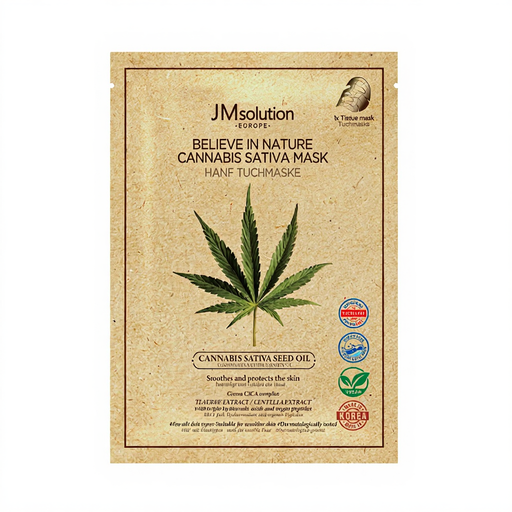
Why This Fits Their Persona: This profile seeks a gentle, calming solution without irritants. This mask is specifically designed to soothe irritated and redness-prone skin and provide intense hydration.
Instead of a "one-size-fits-all" approach, this mask specifically targets sensitive skin. The formula with hemp seed oil is chosen to help alleviate redness.
Focused on calming and hydration. It's a sheet mask, which provides a gentle and occlusive action without stripping the skin.
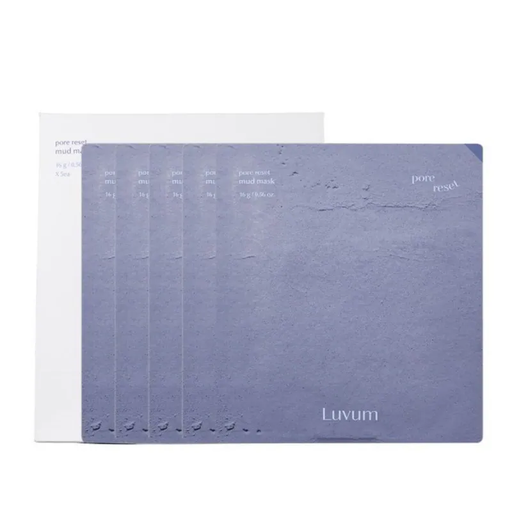
Why This Fits Their Persona: Someone with oily or combination skin looking for a product to refine pores and absorb excess sebum. This mud mask is specifically developed for that purpose.
This mask makes the right match between type and goal. It's a mud mask explicitly intended for pore refining, rather than a hydrating mask that claims this as a secondary benefit.
The formula contains a mix of bentonite, kaolin, and charcoal, ingredients known for their absorbent and purifying properties. It is a targeted treatment for a specific problem.
We have compiled a complete, up-to-date list of products that meet these selection criteria and current guidelines.
This depends on the type of mask and your skin condition. Hydrating and calming masks can be used 2 to 3 times a week. Intensive cleansing clay masks or masks with active acids are best limited to once a week to avoid damaging the skin barrier. Always read the directions on the packaging.
Absolutely, this is also known as 'multi-masking'. For example, you can apply a clay mask to your T-zone to absorb sebum while using a hydrating mask on your cheeks. Alternating throughout the week is also a great strategy to give your skin what it needs at that moment.
A sheet mask is primarily focused on adding moisture and nutrients to the skin. The saturated sheet creates a barrier that allows the serum to penetrate effectively. A clay mask, on the other hand, is focused on drawing out impurities, dirt, and excess sebum from the pores. One nourishes, the other cleanses.
