
Same-day & Next-day Delivery

Quality Guaranteed

Unlock Your Welcome Offers: FREE Delivery | Up to 80% OFF | Free 30-day JoyPlus trial
Download the APP
A face mask may seem simple to choose: you select attractive packaging, look for ingredients such as collagen or Centella Asiatica, and add the product to your basket. However, making the wrong choice can lead to waste, an uncomfortable feeling or skin irritation. Korean skincare, in particular, comes in many varieties: sheet masks, hydrogel masks, overnight masks and rinse-off masks.
That is why the right choice starts not with the marketing name, but with your skin’s needs, the ingredients list, the recommended application time and the number of masks in the pack.
Terms such as “collagen”, “glow”, “anti-ageing” and “barrier repair” sound appealing. On their own, however, they do not tell you how a formula will react on your skin. For example, a collagen face mask may mainly be intended to leave your skin feeling hydrated and supple, while a retinol mask comes with different usage instructions and warnings.
Claims about firmness, elasticity or a brighter-looking complexion come from the product description or from research cited by the brand. According to the brand’s product description, for example, a clinical test involving 20 women reported certain results; this is not a guarantee for every user.
A face mask for sensitive skin is not automatically free from every possible irritant. Always check the complete ingredients list. Dear, Klairs Midnight Blue Calming Sheet Mask is described as fragrance-free, for example, but the ingredients list does include tea tree oil and limonene. This is relevant information if you are sensitive to essential oils or fragrance allergens.
Try a new calming face mask on a small area of skin first. Stop using it if you experience a burning sensation, itching, swelling or a rash. Do not apply a mask to damaged, infected or severely irritated skin.
You will often wear a sheet mask for 10 to 20 minutes. Some hydrogel masks, however, are designed to be used for 2 to 3 hours or overnight. Leaving a mask on for longer is not automatically better. Follow the instructions on the packaging and discard a mask after one use.
Also pay attention to the contents per mask. A pack containing 30 thin masks is practical for regular use, while a set of four hydrogel masks weighing 34 grams each may require more time per treatment.
Choose the format based on your routine:
Check whether the mask consists of one piece or two. A two-piece hydrogel mask may fit more easily around the nose, chin and jawline.
Glycerine, hyaluronic acid, panthenol, betaine and ceramides are often used for hydration. A hydrating sheet mask containing several forms of hyaluronic acid may feel pleasant when your skin feels tight, but the overall experience will also depend on your own skin and the rest of your routine.
For a calming face mask, look for Centella Asiatica, allantoin, dipotassium glycyrrhizate and panthenol. According to the product description, SKIN1004 uses Centella Asiatica in its water-gel mask. Do bear in mind that “calming” is a cosmetic positioning and does not prove a medical effect.
Brightening face masks may contain ingredients such as niacinamide, glutathione, vitamin C derivatives or rice extract. With a retinol mask, you should take the warnings seriously: according to the product information, the SOME BY MI Retinol Intense Daily Mask contains retinol and retinal, which may make the skin more sensitive to sunlight. Use sunscreen during the day and follow the instructions on the packaging.
Do not compare only the price of the pack. Divide the price by the number of masks and check whether the mask is intended for single use. A set of 10 sheet masks is suitable if you want a regular short treatment; a set of 3 or 4 hydrogel masks may be a better fit for a weekly routine.
Store the sealed packaging in a cool, dry place away from direct sunlight. Check the expiry information and batch number on the packaging. An open jar or bag containing loose masks may dry out if it is not closed properly.
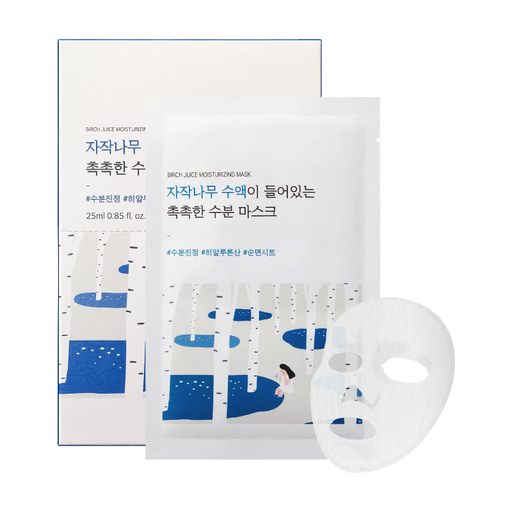
Why it suits this profile: The pack contains 10 sheet masks of 25 ml each, making it a straightforward option for anyone who wants to try Korean skincare at their own pace.
The amount per mask and the number of masks are clearly stated. According to the product information, the recommended application time is 10 minutes, so you do not need to plan a lengthy treatment.
10 individual sheet masks; glycerine and sodium hyaluronate are included in the ingredients list.
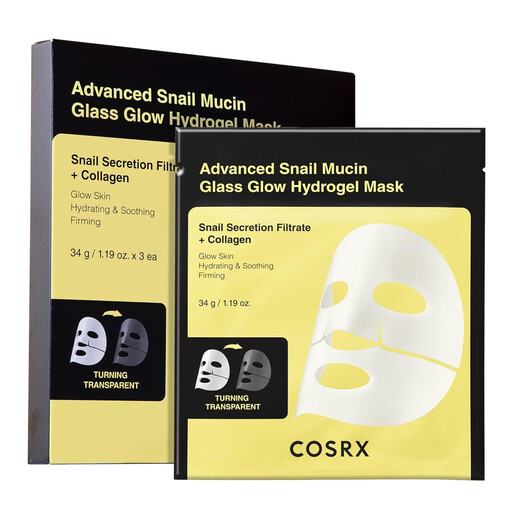
Why it suits this profile: This hydrogel mask is designed for a longer treatment and, according to the ingredients list, contains snail secretion filtrate, niacinamide, hyaluronic acid and ceramides, among other ingredients.
The instructions specify 2 to 3 hours or overnight, rather than referring vaguely to a “long-lasting” treatment. However, carry out a patch test first.
3 hydrogel masks of 55 ml; according to the description, the mask becomes transparent during use.
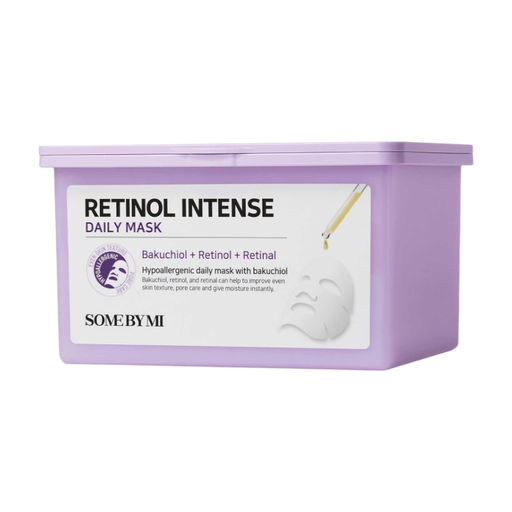
Why it suits this profile: The jar contains 30 sheet masks and is designed for anyone who wants to build a consistent routine with retinol and retinal.
The retinol content of 0.1% is stated. The product information warns of increased sun sensitivity and recommends sun protection. Do not use it without reading the warnings.
30 masks; application time of 10 to 20 minutes; formula with retinol, retinal, bakuchiol and several forms of hyaluronic acid.
We have put together a complete, up-to-date list of products that fully meet these strict selection criteria and the applicable European safety regulations.
A mask does not replace daily cleansing, moisturiser or sun protection. If you have sensitive skin, introducing one new product at a time makes it easier to monitor your skin’s response.
That depends on the type and formula. A hydrating sheet mask is often used once or a few times a week. A retinol mask requires more care; follow the product instructions and only build up use if your skin tolerates it.
Many sheet masks are used for 10 to 20 minutes. A hydrogel mask may be left on for longer according to the packaging. The manufacturer’s recommended time is the one to follow; using it for longer does not automatically produce better results.
Look for a short ingredients list that you can understand and avoid any known personal triggers. Centella Asiatica, panthenol and allantoin are often found in calming formulas. Always test each new face mask on a small area of skin first and do not use it on damaged skin.
