
Vandaag of morgen in huis

Kwaliteit gegarandeerd

Welkomstaanbiedingen ontgrendelen: GRATIS bezorging | Tot 80% korting | Gratis 30 dagen JoyPlus-proefperiode
Download de app
Dull skin, pesky breakouts, or a feeling of tightness? A good face mask can offer a targeted solution. But with an endless stream of options—from clay to hydrogel and from charcoal to snail mucin—it's hard to determine which product is right for you.
As a Joybuy Product Recommendation Officer, my job is to cut through the marketing claims and help you make a choice based on what's in the product and what it does. This guide has been compiled to help you find a face mask that meets your specific skin needs.
Before you make a choice, it's wise to consider a few things. This will help you avoid a purchase you'll regret and find a mask that can truly benefit your skin.
What do you want to achieve? The answer to this question determines which ingredients are relevant for you.
The texture and type of mask determine the user experience and often its primary function.
Based on product specifications and popular ingredients, we have listed some interesting options for you.
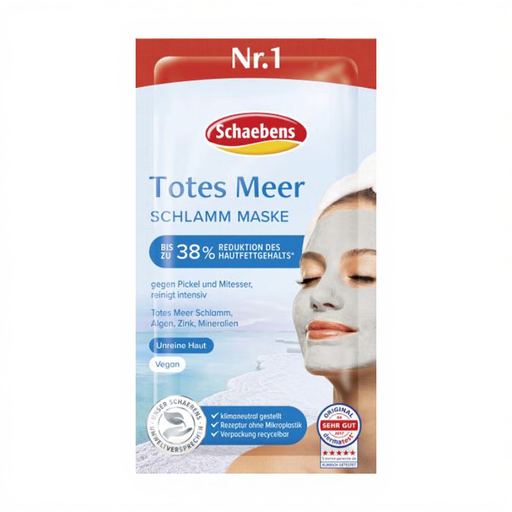
Why it stands out: This mask utilizes the well-known properties of Dead Sea mud, which is naturally rich in minerals. The formula is specifically designed to tackle blemish-prone skin by removing excess sebum and providing an intensive cleanse.
Benefits:
Who it's for: Suitable for people with blemish-prone, oily, or combination skin who are looking for an effective and affordable mask for breakouts. Also a good choice for sensitive skin, thanks to its soothing ingredients.
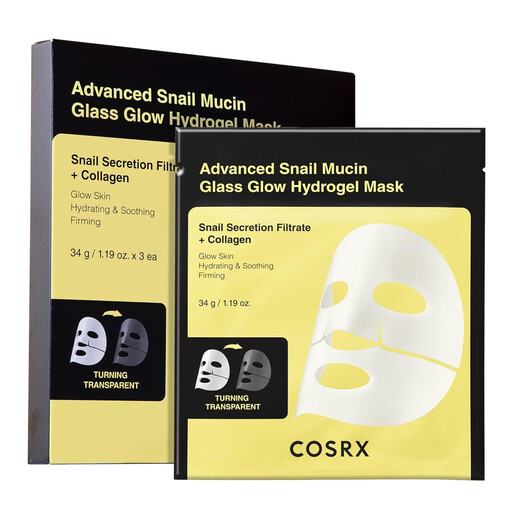
Why it stands out: This hydrogel mask is a prime example of the K-beauty trend, focusing on achieving a "glass skin" effect: extremely hydrated, smooth, and radiant skin. The mask becomes transparent as the active ingredients are absorbed by the skin.
Benefits:
Who it's for: Ideal for anyone looking for a hydrating mask or a glow mask. It is particularly suitable for dry, dull, or sensitive skin that could use a serious moisture boost and a radiant finish.
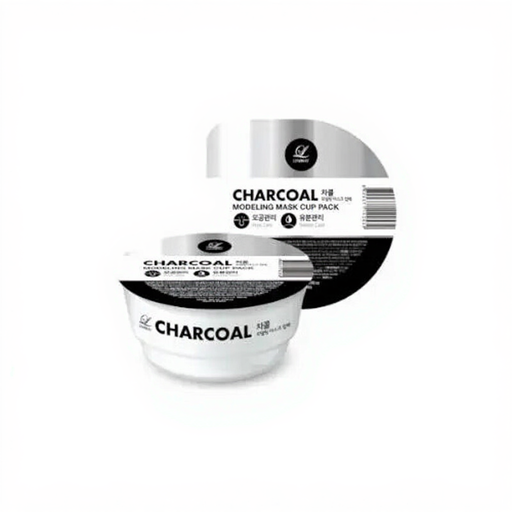
Why it stands out: This is not your standard mask, but a "modeling mask" that you mix yourself in the cup. The rubbery texture completely seals the skin, allowing the active ingredients to work optimally and removing impurities when you peel the mask off.
Benefits:
Who it's for: An excellent choice for those who want to try a charcoal mask with a unique texture. It is especially suitable for oily and combination skin and for anyone looking for a deep-cleansing and pore-refining treatment.
The world of face masks is vast and diverse. If your ideal match isn't here, or if you're curious about other textures and ingredients, there are many more options to suit different skin types and needs.
Explore our full range of women's masks and find the perfect addition to your routine.
1. How often should I use a face mask? This depends on the type of mask and your skin. Generally, it is recommended to use a mask 1 to 2 times a week. You might use an intensive cleansing clay mask less often than a gentle, hydrating sheet mask. Always read the instructions for use on the packaging.
2. What is the difference between a clay mask and a hydrating mask? A clay mask (like a Dead Sea mud or charcoal mask) is absorbent. It draws excess sebum and impurities from the pores, making it primarily purifying. A hydrating mask (like a sheet or hydrogel mask) is focused on adding moisture to the skin and strengthening the skin barrier.
3. Can I use a mask if I have sensitive skin? Absolutely, but choose carefully. Look for masks with soothing ingredients like aloe vera, chamomile, or panthenol. Avoid products with a high percentage of alcohol, perfume, or harsh acids. It's always a good idea to test a new product on a small patch of skin first (a patch test) to see how your skin reacts.
