
Vandaag of morgen in huis

Kwaliteit gegarandeerd

Welkomstaanbiedingen ontgrendelen: GRATIS bezorging | Tot 80% korting | Gratis 30 dagen JoyPlus-proefperiode
Download de app
A face mask can be a useful addition to your daily skincare routine. However, it is unwise to rely solely on terms such as “intensive”, “repairing” or “firming”. Without further product information, these claims reveal little about the formula, how to use it or whether it is suitable for your skin.
The right choice mainly depends on your skin type, your preferred texture and how much time you want to devote to your routine. Below, you will find what to look for in a hydrating face mask, overnight face mask, sheet mask or face mask set.
Brands sometimes describe visible improvements in hydration, radiance or skin texture. Based on a brand’s own research, this may include percentages or test results. Such outcomes are not automatically the same for every user. Pay particular attention to:
For a product with an “anti-ageing” claim, this generally refers to how the product describes the visibility of fine lines or dry skin. It is not a medical claim and does not guarantee a lasting change.
A face mask containing hyaluronic acid may sound appealing for dehydrated skin, but the complete formula determines how it feels and performs. Glycerin, panthenol, squalane, ceramides, silicones and oils may also be included. Also check for perfume and fragrance ingredients such as limonene, linalool or geraniol if your skin is prone to reacting.
A face mask for sensitive skin is not automatically suitable for everyone. “Dermatologically tested” describes a testing procedure, but does not provide a personal guarantee. Always check the packaging and patch-test a new product on a small area of skin first.
A sheet mask is quick and convenient, but is generally intended for single use. A cream or clay mask may offer multiple applications, while an overnight face mask remains on the skin for longer and may therefore be less suitable if you prefer a lightweight routine.
Also consider the quantity: 20 ml divided across several sheet masks is not the same as 60 ml in a single jar or tube. The cost per use gives a more accurate picture than the purchase price alone.
Choose the format that best suits your habits:
An overnight mask is practical if you do not want to add an extra rinsing step to your evening routine. A rinse-off mask is a better fit when you want to control the application time.
For dry or dehydrated skin, look for glycerin, hyaluronic acid, sodium hyaluronate, panthenol, squalane and nourishing oils. A nourishing face mask often also contains butters, fatty acids or emollients.
For skin that feels tight or uncomfortable, ceramides may be worth considering. Ceramide Cream Mask lists ceramides, shea butter and calendula extract in its product description. This provides information about the formula, but does not mean that irritation or redness will disappear for every user.
For a soothing routine, you may see ingredients such as cica, centella asiatica, panthenol, green tea or heartleaf. The K-Beauty Summer Calming & Hydration Set combines these ingredients in a routine featuring a cleanser, serum, gel cream and ten sheet masks.
Before purchasing, check:
Stop using a product if irritation occurs. The information on the packaging takes precedence, as ingredient lists may be updated.
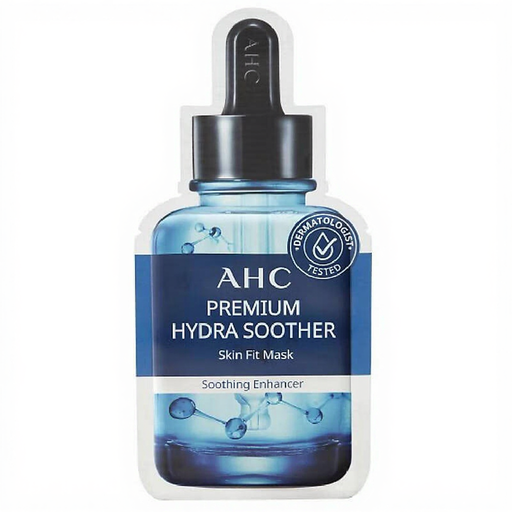
Why it fits: An accessible option for anyone wanting to try a hyaluronic acid sheet mask without immediately investing in a comprehensive set.
The product information specifies the number of masks, the mask type and the relevant warnings. This allows you to check the cost per use and instructions in advance.
Hyaluronic acid and glycerin are listed in the ingredient information; described as suitable for all skin types.
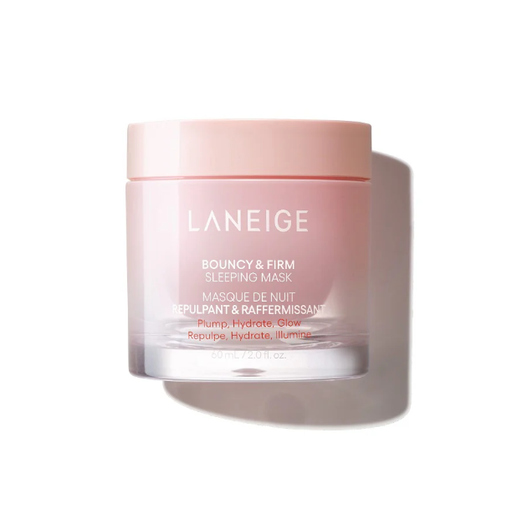
Why it fits: The pack contains two 60 ml jars and suits a consistent evening routine featuring an overnight face mask.
The product page clearly states that the product should be applied as the final step of your evening routine and rinsed off in the morning. The firming claim remains a brand description.
Two 60 ml jars; the formula lists glycerin, squalane and several forms of hyaluronic acid.
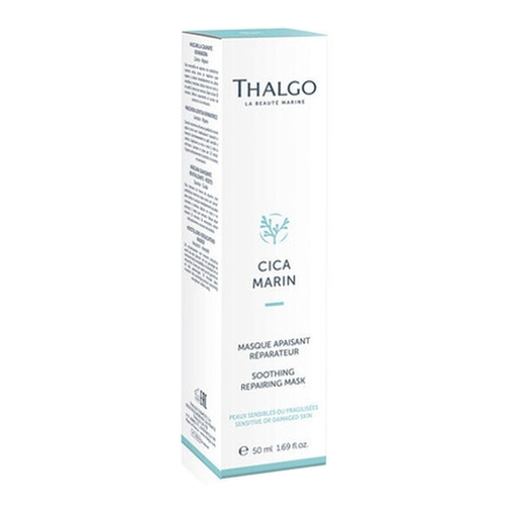
Why it fits: The creamy formula and recommended application time of 10 to 15 minutes suit a calm weekly skincare ritual.
The description mentions cica and marine ingredients. The claim that redness or discomfort is immediately reduced comes from the product information and is not a universal result.
50 ml in a tube; intended for all skin types and, according to the product description, particularly suitable for sensitive or stressed skin.
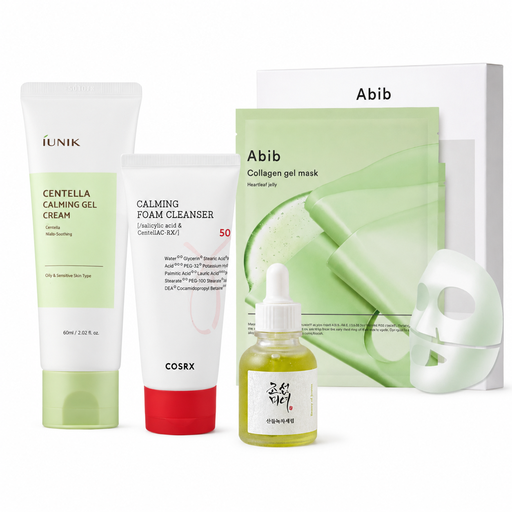
Why it fits: Ideal for anyone looking for more than a face mask and wanting a complete Korean skincare routine with ten sheet masks.
The four included product categories are listed in advance: cleanser, serum, gel cream and ten masks. This helps you avoid accidentally purchasing a single mask instead of the complete set.
Four-step routine; the product description lists centella asiatica, green tea, panthenol and heartleaf among the ingredients.
Explore a current selection of products and compare formulas, sizes and application types before making your choice.
This depends on the type of mask and the instructions on the packaging. Many cream masks are used once or twice a week. A sheet mask can also be incorporated into your routine weekly, while an overnight mask is often used as an additional evening step. Applying a thicker layer does not automatically produce better results.
Hyaluronic acid is commonly used in hydrating formulas. Glycerin and panthenol may also be included in these products. Check the full ingredients list and apply the mask according to the instructions. If you have sensitive skin, a patch test is advisable, particularly when the formula contains perfume or essential oils.
An overnight face mask is generally left on while you sleep and removed the following morning. A sheet mask is usually taken off after a limited application time. Choose an overnight mask if you like adding an extra step to your evening routine; choose a sheet mask if you are looking for a quick, single-use treatment.
