
Vandaag of morgen in huis

Kwaliteit gegarandeerd

Welkomstaanbiedingen ontgrendelen: GRATIS bezorging | Tot 80% korting | Gratis 30 dagen JoyPlus-proefperiode
Download de app
A face mask for pores can help remove excess sebum, surface impurities and dead skin cells. However, not every mask suits every skin type. A clay mask that works well on an oily T-zone can feel tight on dry cheeks. And a product that promises to “refine pores” won’t permanently change pore size.
So when you’re buying a mask in the UK, it’s wise to look beyond the bold claims on the packaging. Instead, pay close attention to the formula, how long you leave it on, the amount, and any warnings.
After a wash-off mask, your skin may feel smoother and more matte. This is usually because sebum and loose skin cells have been removed. However, pores don’t disappear permanently. So you should view claims about “closing pores” or long-term minimisation with caution.
Clay, such as kaolin and bentonite, absorbs oil. For oily skin, this can feel pleasant, but using it daily or waiting until the mask is completely hard and cracked can cause a tight, uncomfortable feeling. Always follow the instructions, and if you have sensitive skin, start with a shorter application time.
An exfoliating face mask containing acids, rice powder or other scrub particles needs extra care. Don’t combine several intensive products on the same evening, such as a mask with AHA, BHA, PHA and a separate scrub. Also check for fragrance, essential oils and known allergens in the ingredients list.
So a mask for oily skin doesn’t automatically have to be the most drying product. A combination of oil-absorbing and hydrating ingredients can be more practical.
A product that needs to stay on for three to five minutes fits a quick routine better than a mask with a recommended time of fifteen to twenty minutes. Also look at the recommended frequency. Some clay masks are intended for once or twice a week; other products can be used more often according to the product information.
Don’t apply a mask to the eye and lip area. Rinse thoroughly with lukewarm water and then use a simple moisturising product.
With an acne face mask, it’s important to distinguish between cosmetic care and medical treatment. A product with salicylic acid or tea tree oil may help cleanse an impure skin according to the product description, but that’s no guarantee it will treat acne.
For sensitive skin, a patch test and reading the full ingredients list are sensible. Products with AHA, BHA or PHA can make your skin more sensitive to sunlight. Use a suitable sunscreen during the day and stop if you experience persistent redness, itching or a burning sensation.
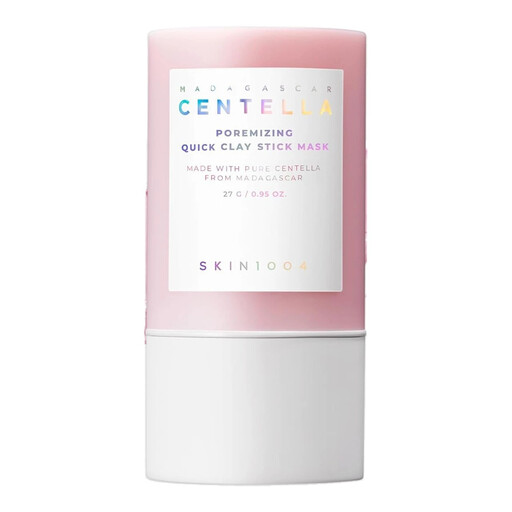
Why this fits the profile: The stick format makes it easy to apply to specific areas like the nose and chin without having to spread the product with your fingers.
The product information states a rinse-off time of 3 to 5 minutes. This helps prevent you from leaving the mask on for longer than necessary.
Contains, according to the product list, kaolin, bentonite, illite and centella extract. The packaging contains 27 g.
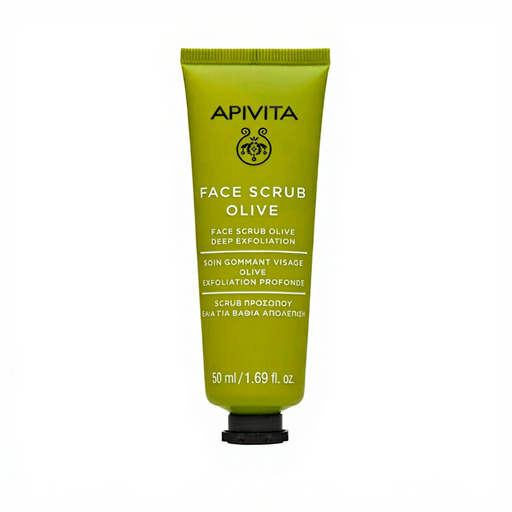
Why this fits the profile: This is a cream-gel mask for those who want to care for their pores while also keeping their skin feeling comfortable.
According to the product description, the formula combines exfoliating polylactic acid particles with panthenol, allantoin and grapeseed oil, rather than relying solely on oil-absorbing clay.
Contains olive seed powder, organic olive oil according to the product information, and a volume of 50 ml.
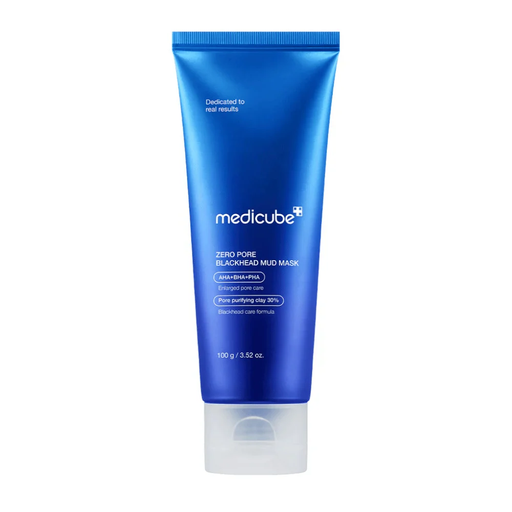
Why this fits the profile: The product description mentions several exfoliating ingredients, making it especially interesting for users who can carefully incorporate the ingredients list into their routine.
The usage instructions state 1 to 2 times per week and an application time of about 3 minutes. The formula contains AHA, BHA and PHA; so don’t layer similar exfoliants.
Contains, according to the ingredients list, kaolin, bentonite, salicylic acid, glycolic acid and gluconolactone.
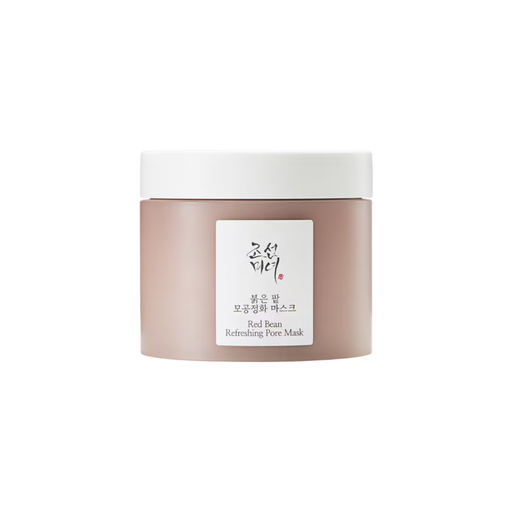
Why this fits the profile: A practical choice for anyone looking for a Korean wash-off routine with clay and red bean powder.
The product information states an application time of 5 to 10 minutes. So you can adjust the usage to how your skin feels without leaving the mask on for too long.
Contains kaolin, red bean powder and red bean extract; the volume is 140 ml.
If you only want to tackle blackheads on your nose, multimasking is a practical option: clay on the oilier areas and a hydrating face mask on the drier parts. It’s best not to squeeze blackheads yourself, as this can irritate the skin.
We’ve put together a full, up-to-date list of products that fully meet these strict selection criteria and comply with current European safety regulations.
No. A mask can remove sebum and surface residue, making pores appear less noticeable temporarily. The pore size itself is not permanently changed by a cosmetic mask.
That depends on the formula and your skin type. Many clay masks recommend once to twice a week; some product information suggests two to three times a week. If you have sensitive or dry skin, start with less frequent use and stop if irritation occurs.
A mask can help remove excess sebum and surface impurities. The result varies from skin to skin and is usually temporary. Choose a product based on the ingredients, application time and warnings, not just on the claim “removes blackheads”.
