
Vandaag of morgen in huis

Kwaliteit gegarandeerd

Welkomstaanbiedingen ontgrendelen: GRATIS bezorging | Tot 80% korting | Gratis 30 dagen JoyPlus-proefperiode
Download de app
A face mask can be a practical addition to your skincare routine. However, it can be difficult to decide online which product is genuinely right for your skin type. A clay mask for oily skin serves a different purpose from a hydrating face mask, hydrogel mask or sheet mask. If you rely solely on words such as “glow”, “detox” or “pore refining”, you risk buying a product that is too drying, inconvenient or simply unsuitable.
As a Joybuy Product Recommendation Officer, I therefore focus mainly on verifiable information: the texture, ingredients, usage time, contents and warnings on the product page.
A brand may claim that a face mask minimises pores, prevents acne or firms the skin. These are not results that are guaranteed for every user. Treat such claims as expectations based on the product description. A brand’s own research may also have been carried out under specific conditions.
Pay particular attention to the actual formulation. Look for kaolin and bentonite to absorb excess sebum, glycerine and hyaluronic acid to help retain moisture, or niacinamide to care for an uneven-looking complexion.
A pore mask or clay mask can feel pleasant on a shiny T-zone, but applying a thick layer all over your face may feel uncomfortable if you have dry or sensitive skin. Acids such as salicylic acid, glycolic acid and gluconolactone also need to be introduced gradually and carefully.
A face mask for blackheads is not a substitute for a daily skincare routine. Use it according to the label, avoid damaged skin and stop if you experience redness, itching or a burning sensation.
A large jar may seem like good value, but a 240-gram wash-off mask often requires a different frequency of use from a set of individually packaged masks. Always check:
The right choice depends on your skin’s needs, not just on a brand’s popularity.
For a mask for oily skin, look for clay, charcoal or sebum-regulating ingredients. With a mask for sensitive skin, a short ingredients list, clear instructions and avoiding known triggers are important. “Suitable for all skin types” does not automatically mean that everyone will have the same experience.
A product that takes 3 to 5 minutes fits easily into a quick routine. Other hydrogel masks are described as being suitable for several hours. Follow the instructions for the specific product and do not allow a clay mask to dry for longer than necessary.
A guideline of once or twice a week is common for many cleansing masks. Do not use exfoliating products at the same time as several other strong acids without first assessing how your skin reacts.
A tube is hygienic and suitable for regular use. A stick mask is convenient when you want to target your forehead, nose and chin without putting your fingers into a jar. Individually packaged sheet and gel masks are easy to portion, but are usually intended for single use.
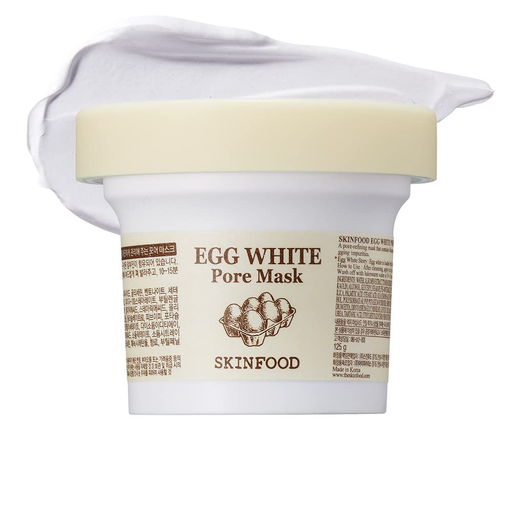
Why it suits this profile: A straightforward wash-off clay mask containing 120 grams, with a clear application time of 10–15 minutes.
The product page states how to apply it, gives an application time of 10–15 minutes and recommends using the mask 1–2 times a week.
Creamy clay texture, 120 grams of product, and designed to target excess sebum and leave skin feeling smoother.

Why it suits this profile: A hydrogel mask supplied in a pack of four for anyone looking for a more comprehensive hydrating skincare treatment.
The product information states that it should be worn for 3–4 hours during the day and used after cleansing, toner or serum. This makes the preparation of your routine clear.
Hydrogel texture, four individually packaged masks, and ingredients such as panthenol, ceramides and different forms of hyaluronic acid.
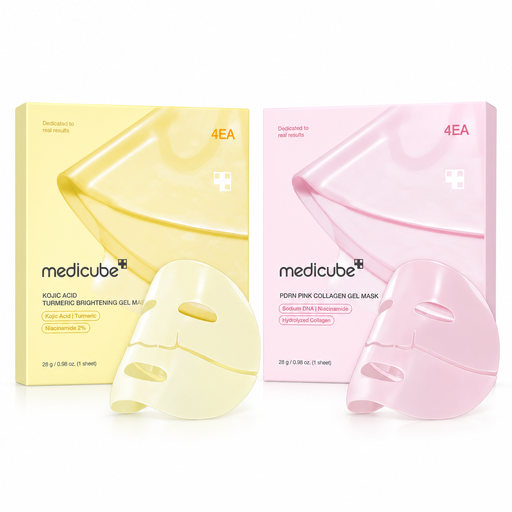
Why it suits this profile: This set contains four Kojic Acid Turmeric gel masks and four PDRN Pink Collagen gel masks, allowing you to alternate between different skincare goals.
The two variants have separate ingredient lists and intended uses. This means you do not have to use one formula for every skin concern.
Eight gel masks in total, with niacinamide in both variants and different focuses on hydration, radiance and smoother-looking skin.
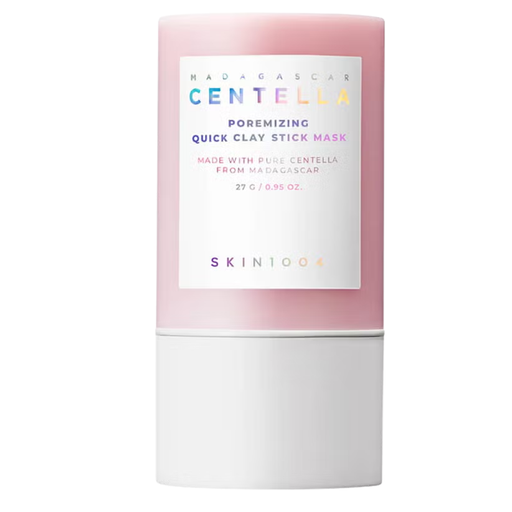
Why it suits this profile: The stick format is practical for targeted application to the nose, chin and forehead.
Apply the product directly without putting your fingers into a jar. The stated rinsing time is 3–5 minutes.
Compact 27-gram pack, direct application and a formula containing kaolin, bentonite and centella extract, among other ingredients.
We have put together a complete, up-to-date list of products that fully meet these strict selection criteria and the applicable European safety regulations.
That depends on the type. A cleansing clay mask is often used once or twice a week, while a hydrating sheet mask may be suitable for more frequent use according to the packaging. Pay attention to how your skin reacts and avoid combining too many exfoliating products at once.
Always follow the instructions on the packaging. Many wash-off masks have an application time of around 5 to 15 minutes. A hydrogel mask can be left on for longer, but wearing it for longer does not automatically mean better results.
Choose a formula with clear warnings and test a small amount on a limited area of skin first. For sensitive skin, a fragrance-free, hydrating formula may feel more comfortable. If you have blemish-prone skin, you could look for a product containing clay or salicylic acid, but use it carefully and do not regard it as a medical treatment. If skin problems persist, advice from a doctor or pharmacist is more appropriate.
