
Same-day & Next-day Delivery

Quality Guaranteed

Unlock Your Welcome Offers: FREE Delivery | Up to 80% OFF | Free 30-day JoyPlus trial
Download the APP
A face mask may seem easy to choose: pick an appealing pack, read a promise of hydration or a radiant complexion, and pay. But there are a few pitfalls that could leave you with a product that doesn’t suit your skin, when you want to use it or what you expect from it.
Words such as “glow”, “glass skin” and “intensive repair” sound appealing, but they don’t always tell you much about what’s actually in the product. So check the ingredients list. Glycerine, betaine, panthenol and hyaluronic acid, for example, are often used in formulas designed to hydrate the skin. That doesn’t mean every product will feel the same or suit every skin type.
Read claims made by brands about how your skin will look or feel as product information provided by the manufacturer. According to TALIKA’s product description, the BIO ENZYMES Hydrating Mask is designed to provide intensive hydration with a biocellulose mask and hyaluronic acid. The practical question is still: does the formula suit your skin, and are the instructions clear?
A sheet mask with lots of liquid isn’t automatically better value. Check the number of masks, the amount in each one and the recommended application time. The Daily Mask Packs contain 20 ml per sheet and 10 sheets, giving you 200 ml in total. This makes it easy to compare the amount with individual 20 g masks, but millilitres and grams aren’t directly equivalent.
Not every face mask is suitable for daily use. A formula containing retinol needs extra care; retinol is listed for the Thursday mask in the Daily Mask Pack Saturday ingredients information. The product information recommends using sun protection during the day when using this mask, and doing a patch test first if you have sensitive skin.
Don’t use a mask on damaged or irritated skin. Stop using it if you experience redness, itching, a burning sensation or swelling, and follow the warnings on the packaging.
First decide what you want to use the mask for, then check the formula:
Always check the full ingredients list for potential allergens. A product may contain fragrance, plant extracts or other ingredients that your skin doesn’t respond well to.
A sheet mask should cover your face reasonably well without continually slipping off. According to TALIKA’s product description, biocellulose has a fine, close-fitting texture. This can be handy if you want to sit comfortably while the mask is on.
With regular sheet masks, the fit matters at least as much as the amount of essence. Carefully unfold the mask, apply it to clean skin and avoid contact with your eyes.
The Daily Mask Packs usually recommend 20 to 30 minutes; the Monday version says 10 to 20 minutes. Don’t automatically leave a sheet mask on for longer than instructed. If the sheet dries out, it may feel less comfortable.
Keep opened packaging tightly closed and store it in a cool, dry place, away from direct sunlight and heat. Check the expiry date and batch number on the packaging. If you’re considering using face masks every day, it’s wise to alternate them and monitor how your skin reacts, rather than blindly using the same active product every day.
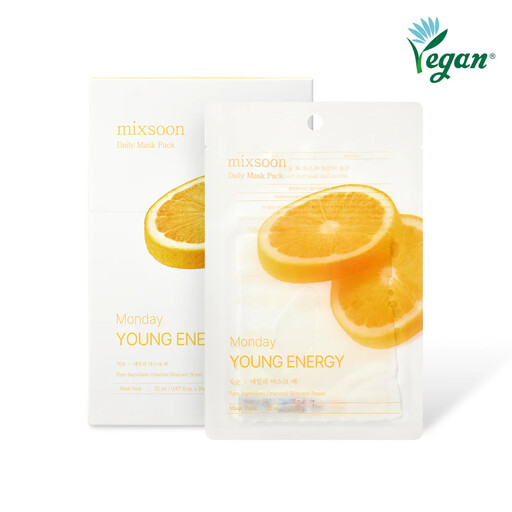
Why it suits this profile: A pack of 10 individual sheet masks is a straightforward choice if you’re trying Korean skincare for the first time and want a set amount for each use.
The amount is clearly stated: 20 ml per mask and 10 sheets. The recommended application time of 10–20 minutes means you don’t have to guess how long to leave it on.
The ingredients list includes niacinamide, glycerine, panthenol and galactomyces ferment filtrate; 10 individual masks per pack.
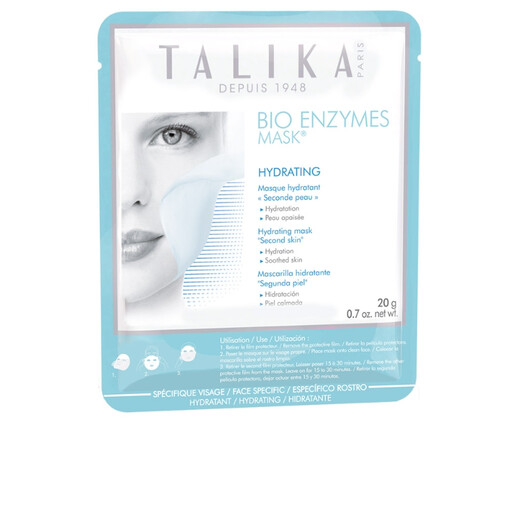
Why it suits this profile: A good option if you’d like to try a single hydrating face mask made with biocellulose, rather than buying a multipack.
The product description names the mask material and key ingredients, including hyaluronic acid and water-binding sugars. This makes it easier to compare products more carefully.
Biocellulose material; the product description mentions hyaluronic acid, sugars, arnica and gentian.
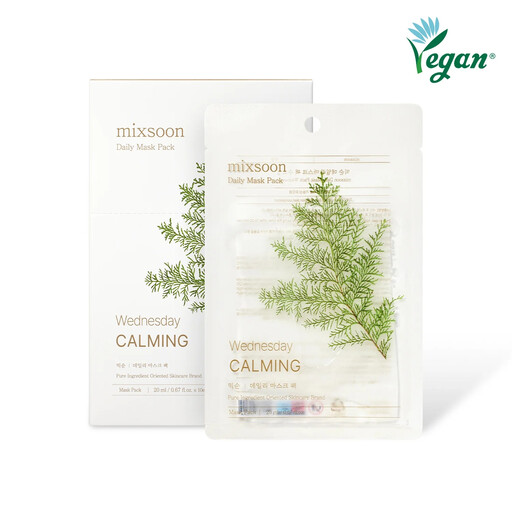
Why it suits this profile: An option for users who pay close attention to ingredients such as centella asiatica, sodium hyaluronate and zinc PCA.
The full ingredients list is shown, so you don’t have to rely on the term “calming” alone.
20 ml per sheet, 10 masks; centella asiatica, madecassoside, sodium hyaluronate and zinc PCA are listed.
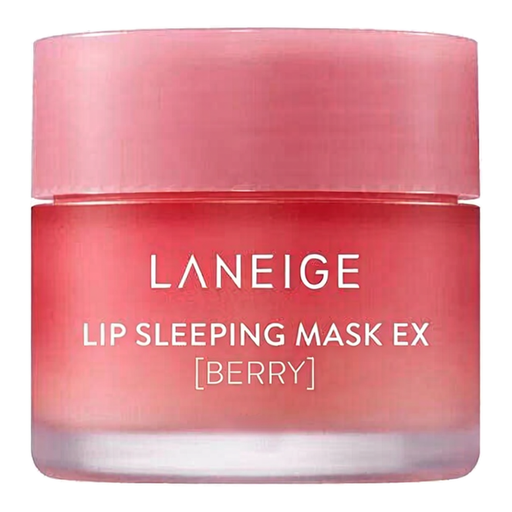
Why it suits this profile: For anyone who wants to care for dry lips separately from their face-care routine, with a product designed for evening use.
It’s specifically designed for use on the lips in the evening, so don’t use it as a substitute for a face mask.
20 g; shea butter and the listed Berry Mix formula; supplied with an applicator according to the product description.
We’ve put together a complete, up-to-date list of products that meet these strict selection criteria and current European safety regulations.
A face mask isn’t a substitute for a complete skincare routine. A gentle cleanser, a suitable moisturiser and sun protection during the day are more important for a consistent routine than continually adding new masks.
It depends on the formula and your skin. Some people may be able to use a simple hydrating sheet mask several times a week. Always follow the packaging instructions and watch out for irritation. If the mask contains active ingredients such as retinol, it’s best to use it sparingly and do a patch test first.
Usually not, if the instructions say to gently massage in the remaining essence. If they do say to rinse it off, follow those instructions. Don’t leave the mask on for longer than the recommended time.
A face mask is designed for the skin on your face and is often removed after a few minutes. A hydrating lip mask is specially designed for your lips, and a lip sleeping mask is generally left on overnight. Use both products only on the areas they’re intended for.
