
Same-day & Next-day Delivery

Quality Guaranteed

Unlock Your Welcome Offers: FREE Delivery | Up to 80% OFF | Free 30-day JoyPlus trial
Download the APP
A face mask can be a useful addition to your skincare routine, but not every mask suits every skin type or routine. A 15-minute sheet mask is used differently from an overnight mask or a clay mask for oilier skin. A higher price also does not automatically mean that a product is right for your skin.
The most common purchasing pitfalls are:
Confusing marketing claims with guaranteed results
Terms such as “anti-ageing”, “pore-minimising” or “repairing” are no substitute for verifiable information. Pay particular attention to the ingredients, quantity, application time and warnings. Claims about a product’s effects should be treated as statements made by the brand, not as guaranteed results.
Not paying attention to the formula
A hydrating face mask often contains ingredients such as glycerine, hyaluronic acid or panthenol. For sensitive skin, fragrances, essential oils or certain plant extracts may be less suitable. Always check the full ingredients list.
Choosing the wrong type of mask
A hydrogel mask or collagen mask is designed to provide a different experience from a clay mask. Do not be guided solely by the packaging or a Korean skincare trend. First decide what your skin and routine actually need.
A sheet mask is a pre-soaked sheet that usually stays on for 10 to 20 minutes. It is practical for a quick skincare routine. For example, the Dear Klairs Midnight Blue Calming Sheet Mask states an application time of 15 to 20 minutes and comes in a pack of 10.
A hydrogel mask generally fits closely to the face. Some versions become transparent after several hours, such as the Biodance masks. Check whether the product is intended for 15 minutes, 2 to 3 hours or a full night. Leaving a mask on for longer than recommended can make it uncomfortable.
An overnight mask is usually applied as the final step in your evening routine. According to the product description, the Propolis Honey Overnight Mask can also be used as a cream or a wash-off mask. This flexibility is practical, but it does not mean that every application method is suitable for every skin type.
According to some brands’ own research, ingredients such as propolis, PDRN or collagen may offer specific skincare benefits. Assess such statements as brand claims and also check the specific INCI list and safety information.
Do not compare only the price of one face mask. Also compare the number of masks and the amount of essence per mask. A box of 10 sheet masks may offer better value for regular use than a single hydrogel treatment.
Also consider the packaging format:
Never reuse a mask. Store unopened products according to the label and check the expiry information on the packaging.
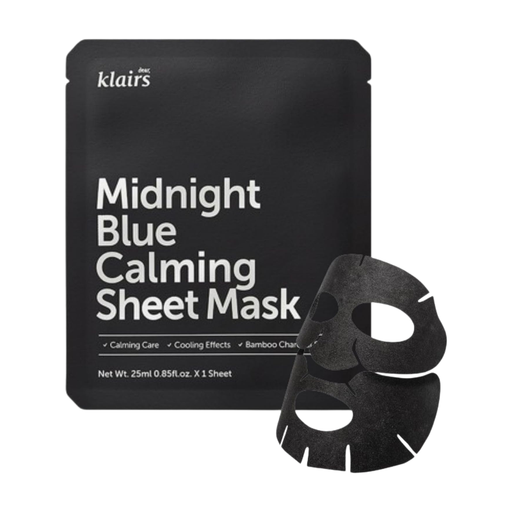
Why this suits the profile: A pack of 10 individual sheet masks is a straightforward option for anyone looking to build a simple Korean skincare routine without buying several different types straight away.
The application time of 15–20 minutes and the quantity of 10 masks are clearly stated. However, be aware of limonene and tea tree oil if you have sensitive skin.
10 individual masks, fragrance-free according to the product description, with glycerine, erythritol and centella asiatica extract.
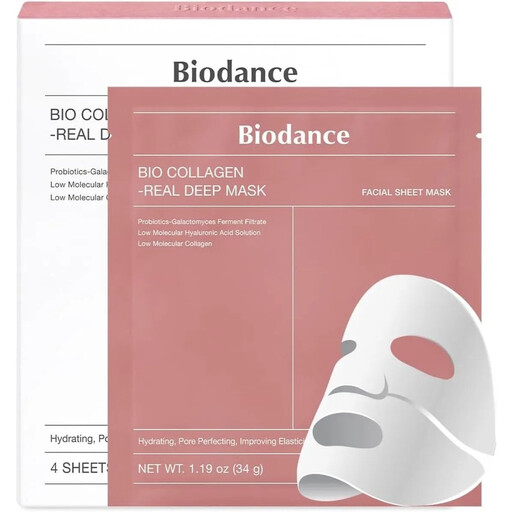
Why this suits the profile: Suitable for anyone looking for an intensive hydrogel treatment and willing to set aside several hours for their skincare routine.
The instructions specify 3–4 hours or overnight use. This means you do not have to remove a long-lasting mask after just 15 minutes by mistake.
4 hydrogel masks weighing 34 grams each, with collagen extract, glycerine, hyaluronic acid and adenosine in the ingredients list.
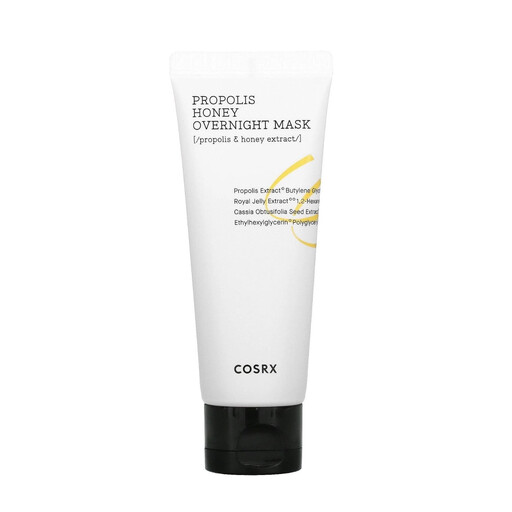
Why this suits the profile: Useful if you want to use one product at different points in your routine: as an overnight mask, cream or wash-off mask.
The three application methods are specified. However, check whether propolis, honey and beeswax suit your personal preferences or sensitivities.
60 ml tube, lightweight texture according to the product description and more than 70% propolis extract according to the brand information.
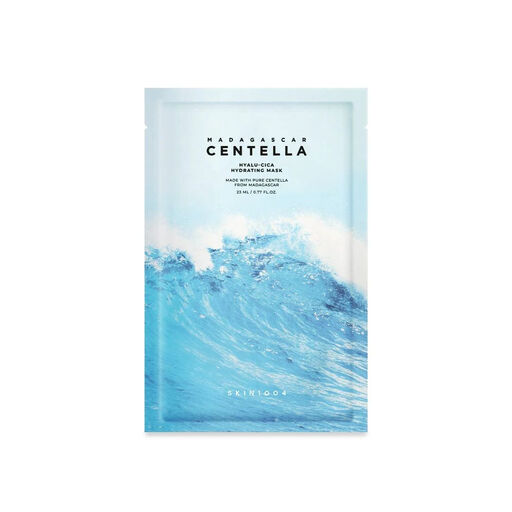
Why this suits the profile: The watery essence and the stated suitability for dry, normal, combination and sensitive skin make this a logical option for a lightweight hydrating routine.
The product information recommends a patch test for sensitive skin and states an application time of 10–20 minutes. This helps prevent overuse.
5 masks of 23 ml, with glycerine, allantoin, centella asiatica extract, ceramide NP and several forms of hyaluronic acid.
We have put together a complete, up-to-date list of products that fully meet these strict selection criteria and the applicable European safety regulations.
A face mask does not replace daily cleansing, moisturiser or sun protection. Stop using it if you experience persistent redness, swelling, itching or a burning sensation.
This depends on the type and formula. A hydrating sheet mask is often used once to several times a week, according to the label. You will generally use a clay mask less often if your skin quickly feels dry or tight. Always follow the manufacturer’s instructions.
A sheet mask is usually made from a fibre or cellulose sheet soaked in essence. A hydrogel mask has a gel-like structure and often fits more closely to the face. The main differences are the material, feel while wearing it, amount of essence and recommended application time.
You cannot determine this based on the word “collagen” alone. Check the full ingredients list for perfume, essential oils and any other substances you may be sensitive to. Test a new mask on a small area of skin first and do not use it on irritated or damaged skin.
