
Vandaag of morgen in huis

Kwaliteit gegarandeerd

Welkomstaanbiedingen ontgrendelen: GRATIS bezorging | Tot 80% korting | Gratis 30 dagen JoyPlus-proefperiode
Download de app
A face mask can be a simple addition to your skincare routine. However, there is plenty of choice: from a Korean sheet face mask to a clay mask, mud mask or intensely hydrating face mask. The right choice depends on more than attractive packaging or a long list of ingredients.
Pay particular attention to your skincare goal, the application time and the formula. This helps you avoid buying a product that is too drying, awkward to use or unsuitable for your sensitive skin.
Ingredients such as cannabis seed oil, collagen, hyaluronic acid, honey or clay often receive plenty of attention. However, one ingredient does not automatically determine how a mask feels or whether it suits your skin. Check the full ingredients list and also look out for fragrance, essential oils, acids and preservatives.
With a face mask for sensitive skin, it is sensible to test the product on a small area of skin first. Stop using it if you experience a burning sensation, itching or obvious irritation.
A pore-cleansing mask containing kaolin, bentonite or mud can absorb excess sebum. On dry skin or skin that quickly feels tight, using it too often may feel uncomfortable. A mask containing salicylic acid, glycolic acid or gluconolactone also requires careful attention to the instructions.
A mask for acne-prone skin is not a medical treatment. Product descriptions may refer to a purifying effect, but such claims come from the brand and should not be viewed as guaranteed results.
A 100 ml tube may seem better value than individual sachets, but the amount needed per application varies. A sheet mask is usually intended for one-time use. A clay mask in a stick or tube may provide several applications, while a single-use pack is convenient if you want to try a product first.
Also check the expiry information and the period after opening shown on the packaging. The packaging contains the latest instructions, ingredients and product information.
Match the mask to one clear objective:
A sheet mask is quick to apply and generally does not need to be mixed. After mixing, a modelling mask forms a layer that you remove later. A wash-off mask should be rinsed off after the stated time. A stick mask is practical for targeted application and helps minimise mess.
Check the following before buying:
Cosmetics sold in the European Union are generally required to include an ingredients list, contents, expiry information and details of a responsible party. Check this information on the product or product page. A statement such as “paraben-free” does not, by itself, mean that a product is suitable for every skin type.
According to a brand’s own research or the product description, certain ingredients may have a soothing, hydrating or purifying effect. Treat this as product information and always compare the complete INCI list with your own preferences and known allergies.
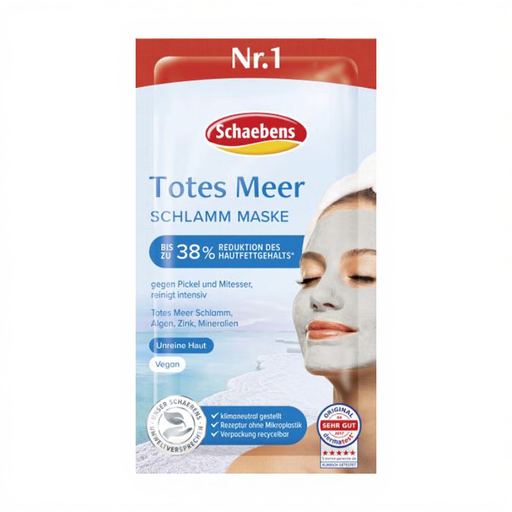
Why it suits this profile: The 15 ml single-use sachet makes it easy to try a mud mask without immediately buying a large tube.
The packaging states an application time of 10 to 15 minutes and a recommended frequency of 1 to 3 times a week. This helps prevent overuse.
15 ml sachet, Dead Sea mud and kaolin, with packaging free from microplastics, PEGs, silicones, paraffins and colourants, according to the product information.

Why it suits this profile: This hydrogel version is aimed at users looking for more intensive care and willing to allow more time for a longer treatment.
The product information clearly states that the mask can be used for 3 to 4 hours during the day or overnight. Always follow the instructions on the packaging.
Four 34 g masks in hydrogel form, with ingredients such as glycerine, panthenol, hyaluronic acid and several ceramides, according to the ingredients list.
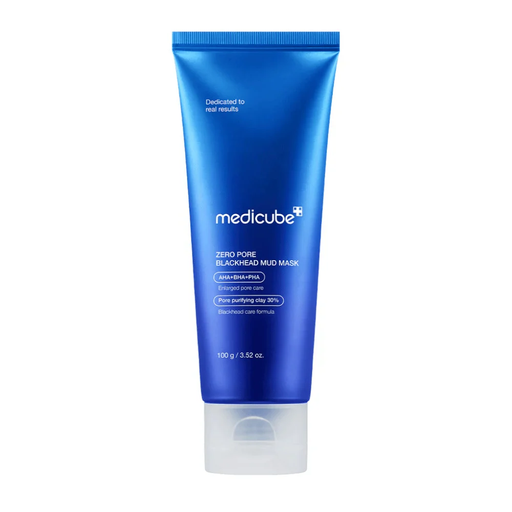
Why it suits this profile: This option is intended for people who focus specifically on visible pores and oily or combination skin.
The instructions specify a short application time of around 3 minutes and recommend using it 1 to 2 times a week. However, the formula contains acids and citrus oils, so sensitive skin requires extra care.
Contains kaolin, bentonite, salicylic acid, glycolic acid and gluconolactone, among other ingredients. A patch test is recommended in the safety information.
We have put together a complete, up-to-date list of products that fully meet these strict selection criteria and the applicable European safety requirements.
Cleanse your face first and pat the skin dry, unless the packaging states otherwise. Apply the mask evenly, avoiding the eye and lip areas. Follow the recommended time; leaving it on for longer does not automatically produce better results.
Use a hydrating face mask when your skin could comfortably benefit from extra moisture. If you have combination skin, you can apply a clay or mud mask only to the oilier areas if desired. It is best not to combine several highly exfoliating products on the same day. After using a wash-off mask, rinse with lukewarm water and finish with a simple moisturiser.
This varies by formula. Sheet masks are often used once, while clay and mud masks are generally applied once to several times a week. Follow the product packaging and reduce the frequency if your skin feels tight or irritated.
Check the open-jar symbol and expiry information on the packaging. Sachets are generally intended for one use. Close tubes and jars securely, store them in a cool, dry place and stop using a product if its smell, colour or texture changes noticeably.
Look for a soothing face mask with a straightforward formula and avoid ingredients that have caused sensitivity in the past. A patch test can help identify an initial reaction. If skin problems persist, advice from a doctor or dermatologist is more appropriate than adjusting a cosmetic mask.
