
Vandaag of morgen in huis

Kwaliteit gegarandeerd

Welkomstaanbiedingen ontgrendelen: GRATIS bezorging | Tot 80% korting | Gratis 30 dagen JoyPlus-proefperiode
Download de app
Buying a face mask sounds simple until you have to choose between a sheet mask, hydrogel mask, clay mask or overnight formula. Packaging often promises radiant skin, intense hydration or a firmer-looking appearance. However, a striking claim says little about whether the product suits your skin, routine and the time you have available.
Pay particular attention to these three common pitfalls:
A sheet mask is usually a fibre or cellulose sheet saturated with essence. This type is useful for a short skincare session. Check the stated wear time and do not leave the mask on for longer than indicated on the packaging.
A hydrogel mask generally fits closely to the skin and is often supplied in two sections. Some versions become transparent while you wear them. According to the product description, this means the formula is gradually absorbed, but it is not a reason to exceed the stated wear time.
A clay mask, such as one containing mineral-rich mud, is primarily intended for cleansing. It may be less suitable if your skin quickly feels tight. An overnight face mask is a gel or cream formula that you apply as the final step and leave on overnight.
For a hyaluronic acid face mask, check whether hyaluronic acid or sodium hyaluronate appears in the ingredients list. A hydrating face mask often also contains glycerine, panthenol, betaine or ceramides.
With a collagen mask, it is important to distinguish between collagen extract as a cosmetic ingredient and far-reaching claims about firmer-looking skin. According to some brands’ product descriptions, collagen is intended to leave the skin feeling cared for and supple. This is not a medical effect.
Do you need a face mask for sensitive skin? Check for ingredients including fragrance, essential oils and known allergens. Test a new product on a small area of skin first. Stop using it if you experience redness, swelling, itching or a burning sensation, and consult a dermatologist if symptoms persist.
Check the following:
Use a mask on cleansed skin. With many sheet masks, you apply toner first. A used disposable mask must not be used again.
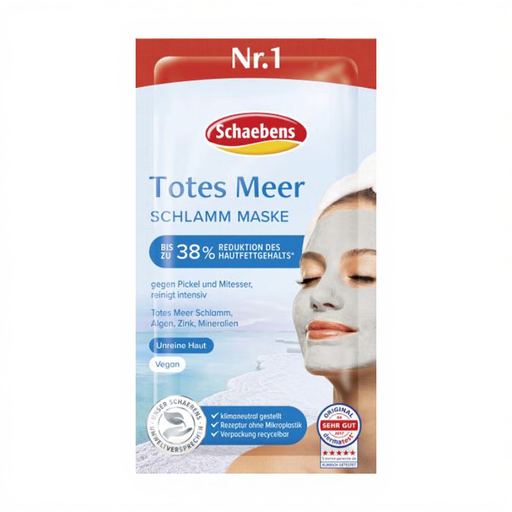
Why it suits this profile: A 15 ml sachet is practical if you want to try a clay mask without immediately buying several. Leave the mask on for 10 to 15 minutes, then rinse it off.
The short wear time and small pack make the choice straightforward. According to the product description, the formula contains no microplastics, PEGs, silicones, paraffins, colourants or allergenic fragrances.
15 ml per pouch; use 1 to 3 times a week according to the product information; dermatologically tested according to the stated product specifications.
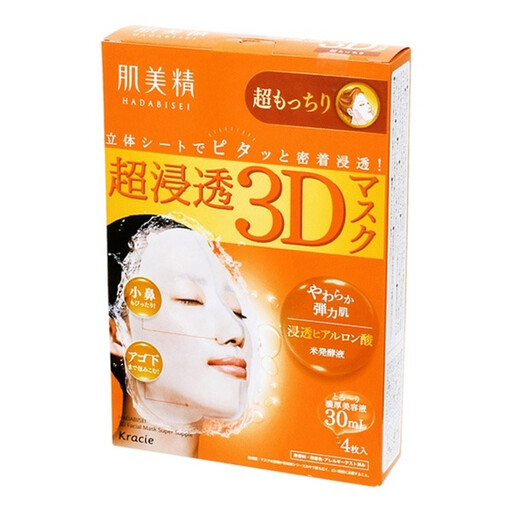
Why it suits this profile: This Japanese 3D sheet mask is designed for anyone who values a good fit and a hydrating skincare routine. The box contains four 30 ml masks.
The pre-shaped 3D sheet is designed to provide close-fitting coverage. According to the product description, the formula combines low- and high-molecular-weight hyaluronic acid and contains lemon extract.
4 pieces per box; 30 ml per mask; made in Japan; 3D sheet formula for a practical fit.

Why it suits this profile: The hydrogel version is suitable for anyone who is happy to set aside more time for a longer skincare session. According to the instructions, the mask can be worn for 3 to 4 hours during the day.
The product information gives a clear wear time: 3 to 4 hours during the day or overnight use. This makes the difference from a short-wear sheet mask clear from the outset.
4 hydrogel masks of 34 grams; according to the ingredients list, contains panthenol, ceramide NP and various forms of hyaluronic acid.
With a face mask for dry skin, the focus is usually on moisture-binding ingredients and a comfortable formula. Glycerine, hyaluronic acid, panthenol and ceramides are useful ingredients to compare. Dry skin does not automatically need a clay mask; only choose a cleansing mask if it fits in with your routine.
For a face mask for radiant-looking skin, you can look for niacinamide, rice extract or a nourishing essence. According to a brand’s own research or product claims, certain ingredients may give the skin a brighter appearance. Treat such claims as product information rather than a guaranteed result.
Fans of a Korean face mask routine will find plenty of sheet masks, hydrogel masks and sleeping masks. If you are short on time, it is better to choose a mask with a short contact time. If you follow a more extensive evening routine, you could consider a or Biodance overnight formula, provided your skin tolerates it and you follow the instructions.
We have put together a complete, up-to-date list of products that fully meet these strict selection criteria and the applicable European safety regulations.
This depends on the type and the instructions on the packaging. A sheet mask is often used once or a few times a week. According to the product information, a clay mask may be applied 1 to 3 times a week, for example. Never reuse a disposable mask.
No. Compare the price per use, the contents per mask, the ingredients list and the wear time. For example, a four-piece hydrogel pack may be intended for a different use than a 15 ml sachet. The higher price alone says nothing about whether it suits your skin.
No. Always check the instructions. Some hydrogel masks are intended to be worn for 2 to 4 hours or until they become transparent, while other sheet masks should not be left on for too long. For example, the Hadabisei mask states that you should not sleep in it.
