
Vandaag of morgen in huis

Kwaliteit gegarandeerd

Welkomstaanbiedingen ontgrendelen: GRATIS bezorging | Tot 80% korting | Gratis 30 dagen JoyPlus-proefperiode
Download de app
A face mask can be a simple addition to your skincare routine. However, there is a huge range to choose from: everything from a K-beauty face mask and sheet mask to clay masks, hydrogel masks and overnight face masks. The packaging often promises hydration, a radiant complexion or firmer-looking skin. On their own, these claims say little about whether a product is suitable for your skin.
Pay particular attention to the formula, application time, contents and warnings. This will help you avoid buying a mask that is too drying, awkward to apply or likely to be left in the cupboard after just one use.
Words such as “lifting”, “collagen” and “brightening” usually describe how a product is positioned, rather than guaranteeing a particular cosmetic effect. According to the brand’s own research, 100% of the 20 participants in a clinical use test experienced firmer, more elastic-looking skin. This information relates to that specific test group and is not a promise for every user.
So also look for verifiable details: ingredients, quantity, format, application time and the skin type the product is intended for.
A clay face mask may suit oily or combination skin, while dry skin may benefit from a hydrating face mask containing glycerine, panthenol, hyaluronic acid or ceramides. For sensitive skin, a short ingredients list is not automatically enough: fragrances, essential oils and exfoliating acids may also be relevant.
If you have sensitive skin, test a face mask on a small area of your body first. Stop using it if you experience redness, itching, swelling or a burning sensation.
A tub may seem better value, but a pack of individually wrapped sheets can sometimes be more practical and hygienic. Always check the number of applications. A set of ten daily face masks can be useful for regular use, while a four-piece hydrogel face mask may be more suitable as a weekly treatment.
Match the ingredients to your objective:
When using exfoliating ingredients such as PHA, citric acid or rice powder, it is sensible to use the product less frequently. SOME BY MI, for example, states that its powder mask contains PHA and recommends protection from the sun, as the skin may react more sensitively to sunlight.
A sheet mask is pre-measured and is usually left on for 10 to 20 minutes. A wash-off mask, such as Beauty Of Joseon Brown Rice Honey Brightening Mask, is rinsed off after 15 to 20 minutes. An overnight face mask stays on for longer, but is not necessary for every skin type or routine.
Hydrogel masks such as those from Biodance and can be worn for several hours according to the product description. Always follow the instructions on the packaging; leaving a mask on for longer than stated does not automatically make it more effective.
Before buying, check:
A face mask is intended for external use only. Avoid contact with the eyes and follow the manufacturer’s instructions.
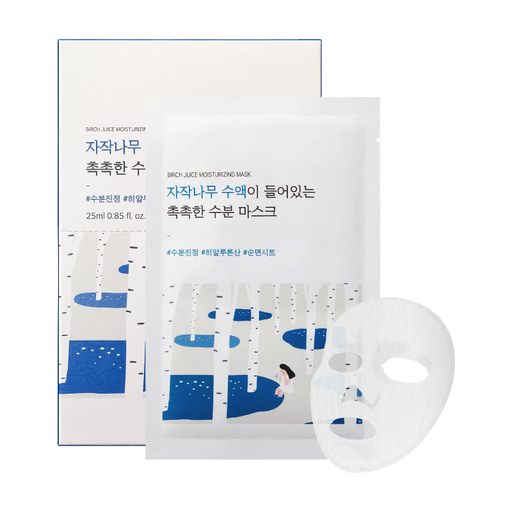
Why it suits this profile: The pack contains ten individually wrapped sheets, so you can start using them regularly without immediately buying a large tub.
The application time is clear: ten minutes. Each sheet is individually wrapped and intended for single use.
25 ml of essence per sheet; contains glycerine, sodium hyaluronate and allantoin.
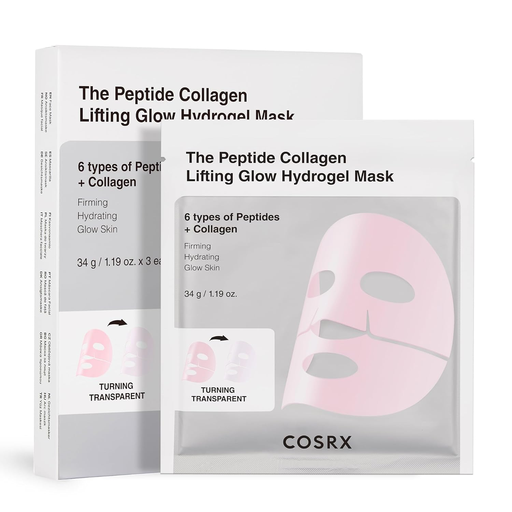
Why it suits this profile: The hydrogel format moulds closely to the face and is designed for users who value the ingredients and a longer wear time.
The instructions specify two to three hours or until the gel becomes transparent, so you do not have to guess the contact time.
Contains six peptides, hydrolysed collagen, hyaluronic acid and several ceramides.
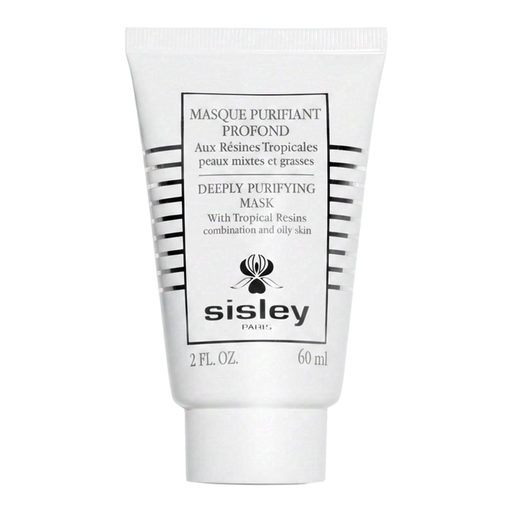
Why it suits this profile: The creamy formula is intended for combination to oily skin and can be used once or twice a week.
The instructions limit the normal contact time to ten minutes and explicitly state that the eye area should be avoided.
Contains kaolin and bentonite; the packaging states that it is suitable for combination to oily skin.

Why it suits this profile: This hydrogel version is ideal for anyone looking for a longer wear time and ingredients that support hydration and the skin barrier.
The instructions give a specific application time of three to four hours during the day or overnight use.
Four 34-gram masks; contains ceramides, panthenol and several forms of hyaluronic acid.
We have compiled a complete, up-to-date list of products that fully meet these strict selection criteria and the applicable European safety regulations.
Cleanse your face first and apply toner if desired. Position a sheet mask evenly without pulling the skin taut. Apply a wash-off mask to dry skin if instructed on the packaging, then rinse it off with lukewarm water. Afterwards, apply a simple moisturiser if your skin needs it.
Do not use several exfoliating products at the same time. A mask containing retinol, PHA or vitamin C requires extra care with sun protection and the warnings on the label. A mask also does not replace daily sun protection or your regular moisturiser.
That depends on the formula. A hydrating sheet mask may be used more often according to the product instructions, while a clay or exfoliating mask is generally recommended once or a few times a week. Start gradually and pay attention to how your skin reacts.
Only when the manufacturer explicitly says that you can. Biodance and some collagen hydrogel masks, for example, specify a wear time of three to four hours or overnight. A standard sheet mask should generally be removed after 10 to 20 minutes.
Check the expiry date, batch information and any period-after-opening guidance on the packaging. An opened mask in a tub can become contaminated more quickly than an individually wrapped sheet. Store every product in a cool, dry place away from direct sunlight and out of children’s reach.
