
Vandaag of morgen in huis

Kwaliteit gegarandeerd

Welkomstaanbiedingen ontgrendelen: GRATIS bezorging | Tot 80% korting | Gratis 30 dagen JoyPlus-proefperiode
Download de app
A face mask can be a simple addition to your skincare routine, but there is a huge amount of choice. Looking for a hydrating mask, Korean face mask or face mask for sensitive skin? It is tempting to focus solely on terms such as “glow”, “deep repair” or “collagen”.
That can lead to a disappointing purchase. Packaging does not always tell you how long to leave the product on, which ingredients may cause irritation or how many treatments you actually get.
Words such as “firming”, “brightening” and “anti-ageing face mask” describe a desired appearance, but reveal little about the formula itself. So check the ingredients list. Glycerin, hyaluronic acid, panthenol and ceramides are relevant ingredients, for example, if your main aim is to add moisture or make your skin feel comfortable.
Claims about elasticity, fine lines or radiant skin should not be interpreted as guaranteed results. The product description for the Peptide Collagen Brightening Water Gel Mask, for example, refers to a study involving 20 women. According to, this was its own research and it is not a guarantee for every user.
A sheet mask or hydrogel mask is not automatically suitable for overnight use. Some masks are designed to be worn for 10 to 20 minutes, while other hydrogel masks only become transparent after several hours.
Always follow the instructions on the packaging. A dried-out sheet mask can feel uncomfortable, while a product containing exfoliating ingredients such as PHA requires extra care. The SOME BY MI PDRN Spirulina Soothing Sherbet Mask contains PHA; the product information therefore advises using sun protection during the day.
A product may be described as suitable for all skin types, but your skin may still react to fragrance, essential oils, preservatives or certain plant extracts. A face mask for sensitive skin is therefore about more than just the marketing copy.
Look out for fragrance allergens. The Dear, Klairs Midnight Blue Calming Sheet Mask is fragrance-free according to the product description, but it does contain tea tree oil and limonene. The Dear, Klairs Freshly Juiced Vitamin E Mask contains several essential oils and lists linalool and limonene among its ingredients.
Start by choosing the texture and when you want to use it:
Also check the contents. A pack containing 10 sheet masks of 25 ml each offers a different price per use from four hydrogel masks weighing 34 grams each.
For a hydrating mask, glycerin, betaine, panthenol and different forms of hyaluronic acid are sensible ingredients to look for. Ceramide NP, ceramide AP, cholesterol and phytosphingosine are found in various formulas focused on skincare and comfort.
A soothing face mask often contains ingredients such as allantoin, panthenol, liquorice root or centella asiatica. In a brightening face mask, you may also see niacinamide. That does not automatically guarantee visible results; the overall formula and your own skin both play a part.
Want to buy a collagen mask? Check whether collagen, hydrolysed collagen or collagen extract actually appears in the INCI list. The presence of an ingredient alone does not indicate how much of an effect you will notice.
Only use a mask on intact skin. With a new product, it is best to carry out a patch test on a small area of skin first and wait 24 hours, particularly if you have sensitive skin. Stop using it if you experience a burning sensation, swelling, a rash or persistent redness.
Also check:
This information helps you separate marketing claims from verifiable product specifications.
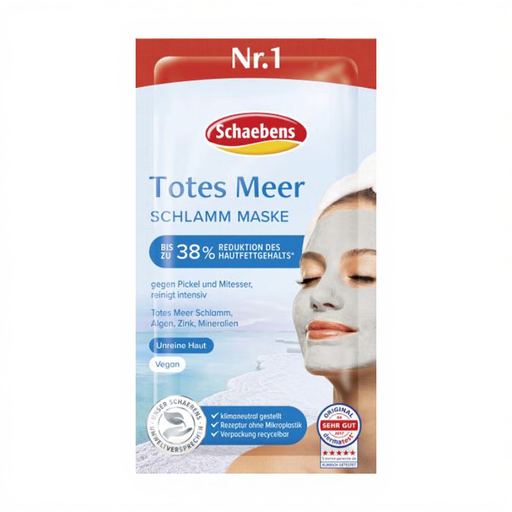
Why it suits this profile: The 15 ml portion pack is practical if you want to try a wash-off face mask first without buying a large jar.
The application time is clear: 10 to 15 minutes, followed by rinsing. This means you do not have to guess how long to leave the mask on.
Contains, among other ingredients, silt, kaolin, aloe vera and camomile; the product information states that it contains no microplastics, PEGs, silicones, paraffin or colourants.

Why it suits this profile: This hydrogel mask is suitable for users looking for an intensive hydrating treatment and willing to set aside time for a longer session.
The product information specifies a wear time of 3 to 4 hours during the day or overnight use. The formula and instructions are therefore clearer than a general “long-lasting” claim.
Contains several forms of hyaluronic acid, panthenol and ceramides; four individually packaged masks make portioning easy.
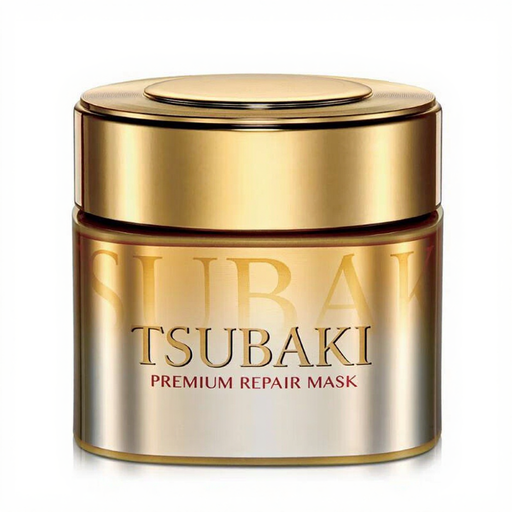
Why it suits this profile: For dry, damaged, coloured or frizzy hair, a hair mask is a more targeted choice than a facial product.
The instructions are specific: apply to damp hair, leave on for 5 to 10 minutes and use 1 to 2 times a week.
The jar contains 180 grams, and the ingredients list includes glycerin, camellia seed oil, royal jelly extract and soy protein, among other ingredients.
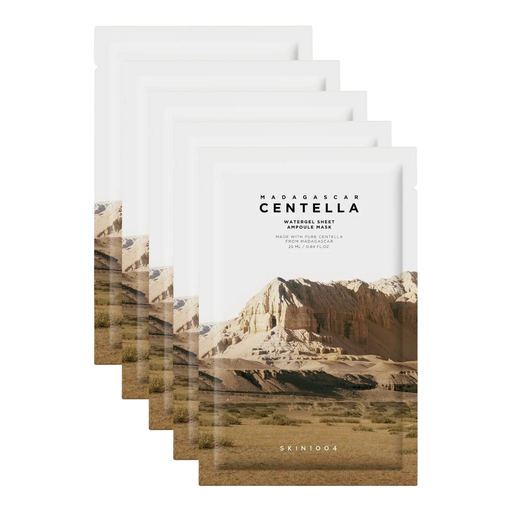
Why it suits this profile: The hydrogel texture and centella asiatica appeal to users looking for a short, refreshing skincare moment.
The application time is 15 to 20 minutes. This prevents you from accidentally leaving a short-use sheet mask on for hours.
The product description states that it contains 51% centella asiatica extract and no artificial fragrance, parabens, sulphates, drying alcohol or silicones.
We have put together a complete, up-to-date list of products that fully meet these strict selection criteria and the applicable European safety regulations.
That depends on the type and formula. A hydrating sheet mask is often used once or a few times a week. A clay mask or formula containing exfoliating acids is best used according to the recommended frequency. Always check the packaging, and do not automatically combine several intensive products on the same day.
A hydrogel mask may feel comfortable on the skin, but its texture does not determine whether the formula is suitable for you. Check for fragrance, essential oils, acids and plant extracts. If in doubt, carry out a patch test and do not use the product on damaged or irritated skin.
A face mask is formulated for the skin on your face. A hair mask is intended for the lengths and ends of your hair and often contains conditioning ingredients such as silicones, oils or proteins. Do not use a hair mask as a substitute for facial skincare.
