
Vandaag of morgen in huis

Kwaliteit gegarandeerd

Welkomstaanbiedingen ontgrendelen: GRATIS bezorging | Tot 80% korting | Gratis 30 dagen JoyPlus-proefperiode
Download de app
A face lotion can serve several purposes in your skincare routine. Some products work as facial toners after cleansing, while others are designed to hydrate or gently exfoliate. This can make it difficult to know exactly what you are buying. A lotion that works well for oily skin may leave dry or sensitive skin feeling tight.
As a Joybuy Product Recommendation Officer, I therefore start by looking at verifiable information: skin type, ingredients, volume, frequency of use, and the difference between cleansing, exfoliating and hydrating.
The term lotion is not used in the same way everywhere. A facial cleansing lotion or clarifying lotion is usually applied after cleansing. A hydrating lotion or emulsion is more of a skincare step that adds moisture to the skin.
Always check:
A pore-refining lotion can temporarily make the skin look smoother or more mattified, for example by removing excess sebum and surface impurities. This does not automatically mean that pores will become permanently smaller. Focus on the ingredients and usage instructions rather than just the marketing name.
An exfoliating lotion may contain ingredients such as salicylic acid, gluconolactone or lactobionic acid. According to the product description, these formulas may help remove dead skin cells or impurities. However, the experience varies from one skin type to another. Daily use may feel less comfortable on dry or sensitive skin, particularly when the formula also contains alcohol or fragrance.
If you are unsure, start with a small amount and follow the label. Stop using the product if irritation occurs, and avoid contact with the eyes and lips.
Choose your lotion based on your everyday needs:
A brand’s claim about how a product works is not a guarantee for every skin type. A brand’s own research may report certain results, but you should also check the product details and the full ingredients list.
The ingredients list tells you more than a general term such as “mild”. Glycerine and sodium hyaluronate are often used in hydrating formulas. Salicylic acid and fruit acids may be found in an exfoliating lotion. Fragrance and denatured alcohol may be important considerations for some users.
A fragrance-free formula is not automatically suitable for every skin type, but it can help if you want to avoid fragrances. For products described as hypoallergenic or dermatologically tested, always check the packaging for the latest information.
A 400 ml bottle may seem more economical per millilitre, but only if the formula suits your skin and usage habits. A lotion used twice a day will run out more quickly than a product used a few times a week.
Also check the shelf life. The applicable use-by date or period after opening is shown on the packaging. Store the bottle according to the instructions, usually closed and away from direct sunlight.
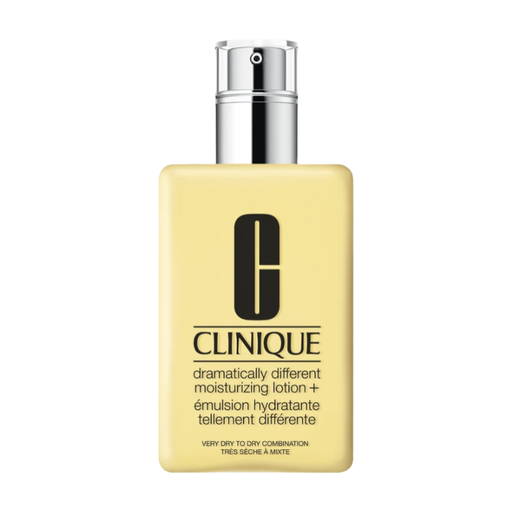
Why it suits this profile: If you are looking for a consistent hydrating step, this facial product is designed for very dry to dry/combination skin. The product details state that it contains 125 ml and has a fragrance-free formula.
The product is presented as a hydrating lotion rather than an exfoliant. This makes its purpose clearer for everyday use.
125 ml volume; fragrance-free according to the product details; designed to hydrate very dry to dry/combination skin.
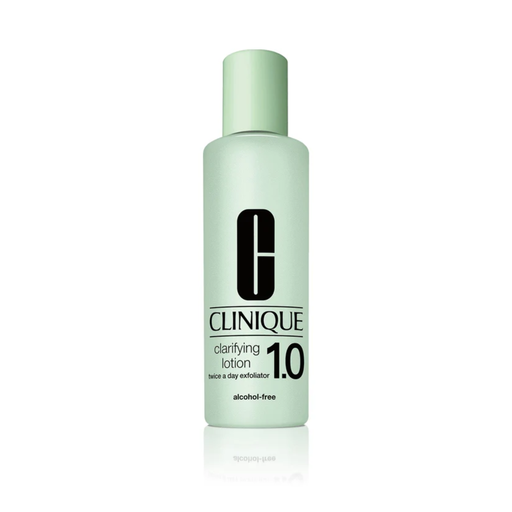
Why it suits this profile: According to the product description, this exfoliating face lotion is designed for sensitive skin and contains 400 ml. The formula targets dead skin cells and impurities.
The function, skin category and use with a cotton pad are clearly described. Do not automatically use an exfoliating lotion more often than your skin can tolerate.
400 ml volume; alcohol-free formula according to the product details; designed to exfoliate and remove impurities.
We have put together a complete, up-to-date list of products that fully meet these strict selection criteria and the applicable European safety regulations.
A lotion for oily skin does not have to be the same as a lotion for blemish-prone skin. If you have combination skin, you can also consider which areas you apply the product to. Test a new product carefully first and always follow the latest instructions on the packaging.
Not always. A face toner is usually a liquid step after cleansing. A hydrating lotion may be thicker and work more like a skincare product. Check the product’s function, texture and directions for use.
The shelf life is stated on the packaging. Look for a use-by date or the symbol showing the period after opening. Close the bottle after use and store it according to the specified conditions. A change in smell, colour or texture may be a reason to stop using the product.
That depends on the formula and your skin. Follow the manufacturer’s instructions, but if you have sensitive or dry skin, introduce it gradually if necessary. Do not simply combine several products containing exfoliating ingredients. If irritation persists, stop using the product and seek advice from a doctor or pharmacist if needed.
