
Vandaag of morgen in huis

Kwaliteit gegarandeerd

Welkomstaanbiedingen ontgrendelen: GRATIS bezorging | Tot 80% korting | Gratis 30 dagen JoyPlus-proefperiode
Download de app
A face lotion can be a toner, exfoliating step, facial cleansing lotion or lightweight moisturiser. This distinction regularly leads to disappointing purchases. A product labelled “purifying” is not automatically suitable for dry skin, and a hydrating lotion does not always replace a cream.
That is why you should focus mainly on the product’s function, ingredients and how it is used. Below, you’ll find practical guidance and some popular options based on verifiable product specifications.
“Lotion” can mean a face toner in one product range and an emulsion or moisturiser in another. So check whether the formula is intended for:
For example, an exfoliating face lotion often contains acids such as salicylic acid, gluconolactone or lactobionic acid. This is a different product category from a hydrating facial lotion containing glycerine, hyaluronic acid or soothing oils.
A product may be dermatologically tested, fragrance-free or largely natural according to its packaging, yet still not feel comfortable on your skin. Always check the full ingredients list and look out for fragrances, alcohol and exfoliating ingredients.
For sensitive skin, “fragrance-free” is a useful selection criterion, but it does not guarantee that irritation is impossible. Test a new product on a small area of skin first and stop using it if you experience redness, a burning sensation or persistent irritation.
A lotion containing salicylic acid or other acids may suit oily skin or skin with visible blemishes. Daily use is only advisable when this is clearly stated on the packaging and your skin tolerates it well. Do not combine several exfoliating products straight away.
During the day, use a sun protection product according to the instructions on the packaging. A face lotion on its own does not protect against UV radiation.
First, choose according to your skin’s needs:
The order of the ingredients gives an indication of their quantity, but does not always state the exact concentration. So do not rely on marketing terms alone. Salicylic acid, glycerine, sodium hyaluronate and gluconolactone have different functions.
According to the product description, Clinique Clarifying Lotion 4 contains salicylic acid, glycerine and sodium hyaluronate, among other ingredients, as well as alcohol denat. and witch hazel. The formula is fragrance-free and oil-free according to the product specifications, but the presence of alcohol makes individual skin response important.
Compare the size with how often you intend to use the product. A 400 ml bottle can be practical for a regular morning and evening routine, while 50 or 125 ml is easier to take with you or try first.
Also check:
A face lotion is not a universal substitute for cleanser, moisturiser or sun protection.
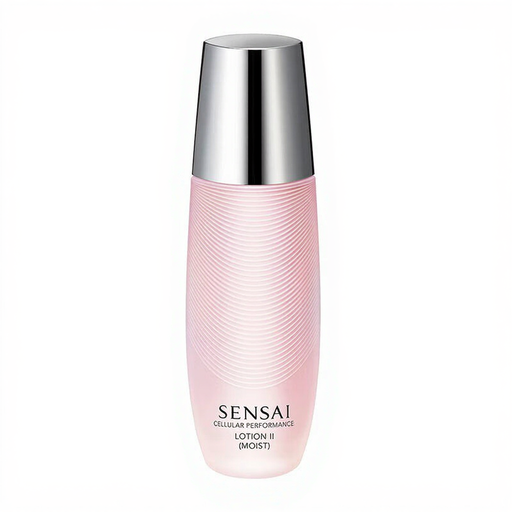
Why it suits this profile: According to the product description, this water-like emulsion is designed to provide intense hydration and absorb quickly, with a subtle fragrance.
The texture and function are clearly described. If you prefer to avoid fragrance, bear in mind the scent mentioned in the product description.
125 ml size; fast-absorbing emulsion; designed for use during the day and in the evening.
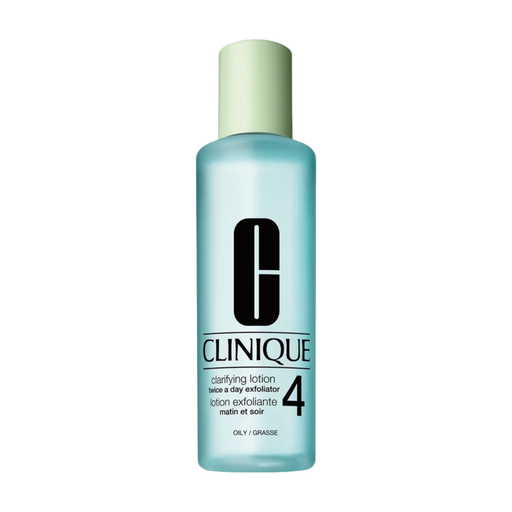
Why it suits this profile: The large bottle and cotton-pad application suit a regular routine for oily skin and a preference for exfoliating skincare.
The target audience, formula and usage instructions are clearly stated. Because it contains alcohol denat. and salicylic acid, it is best to introduce it gradually.
400 ml size; fragrance-free and oil-free according to the product specifications; contains salicylic acid.
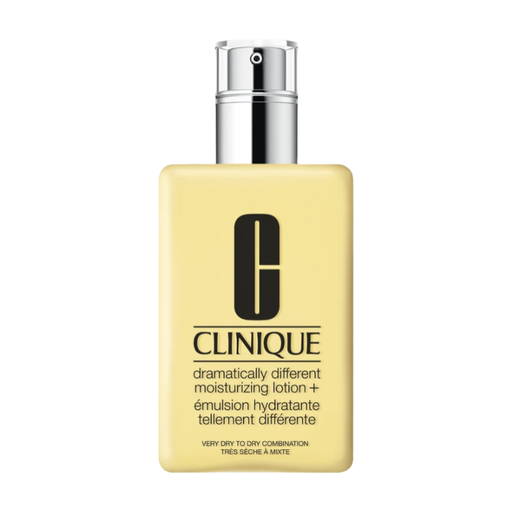
Why it suits this profile: The emulsion texture and focus on hydration make it suitable for very dry to dry/combination skin.
According to the product specifications, the formula is fragrance-free and intended to be used as a moisturiser, not an exfoliating toner. This avoids confusion between different functions.
125 ml size; glycerine, dimethicone and sodium hyaluronate in the ingredients list; designed for morning and evening use.
We’ve put together a complete, up-to-date list of products that fully meet these strict selection criteria and the applicable European safety regulations.
Not always. A face toner is usually a liquid step after cleansing, while a lotion can also be a moisturiser or emulsion. Check the purpose and ingredients on the label.
Follow the expiry date or period-after-opening information on the packaging. Keep the bottle closed and store it somewhere cool and dry, away from direct sunlight. If the scent, colour or texture changes, stop using the product.
This depends on the product size and the amount used each time. Divide the price by the number of millilitres and estimate how many millilitres you use per day. A 400 ml bottle may work out cheaper per application, but only if the formula genuinely suits your routine.
