
Vandaag of morgen in huis

Kwaliteit gegarandeerd

Welkomstaanbiedingen ontgrendelen: GRATIS bezorging | Tot 80% korting | Gratis 30 dagen JoyPlus-proefperiode
Download de app
Face and hair masks may seem simple to choose, but the differences often come down to how long you use them for, their ingredients and packaging, and whether they suit your skin or hair type. A hydrating face mask isn’t automatically suitable for oily skin. A hair mask for dry and damaged hair may also contain silicones, which may not be what you want if you follow a silicone-free routine.
As a Joybuy Product Recommendation Officer, I focus on the practical details in product information. This helps you avoid paying mainly for attractive packaging, a popular trend or a vague claim.
Words such as brightening, anti-ageing, deep repair and glass skin usually describe how a product is positioned. They don’t guarantee a particular cosmetic result. According to information provided by brands, ingredients such as collagen, niacinamide, hyaluronic acid or ceramides can contribute to the desired skincare benefits, but skin and hair don’t respond in the same way for everyone.
So, start by checking:
A 150 ml tub may seem better value than four individual sheet masks, but how often you use them differs. For example, a 75 ml peel-off mask can be used several times, whereas a sheet mask is usually for one-time use. So compare the price per application, not just the sale price.
Dosage also matters with hair masks. Long or thick hair uses more product than short hair. A 180 or 230 gram tub may therefore offer different value from a smaller tube.
A hair mask with silicones can help hair feel smoother, but it won’t suit every haircare routine. Acids, retinol, fragrance or essential oils may also be less suitable for people with sensitive skin. If in doubt, check the packaging and do a patch test first.
Formulas with glycerine, hyaluronic acid, panthenol or ceramides are often a good fit for dry skin. A hydrating face mask can feel soothing when your skin feels tight. Niacinamide, rice extracts and other ingredients are often used in brightening face masks to help improve the appearance of dull skin.
Clay and mud may be worth considering for oily or combination skin. According to the product information, the Schaebens Dead Sea Mask contains Dead Sea mud, kaolin, aloe vera and chamomile, among other ingredients. The recommended application time is 10 to 15 minutes. Avoid the eye and lip areas, then rinse off the mask.
A sheet mask is pre-measured and intended for one-time use. A gel mask or hydrogel mask often fits closely to the face. Some Korean face masks change texture or turn transparent after being left on for longer. Always follow the instructions on the packaging.
A peel-off mask forms a film that you carefully remove once it has dried. Not every peel-off mask is suitable for sensitive or irritated skin. For example, the 80 ml Collagen Glass Skin Mask advises you to let the product dry completely, then peel it off from the edges.
If your hair is dry, coloured, frizzy or damaged, consider the following:
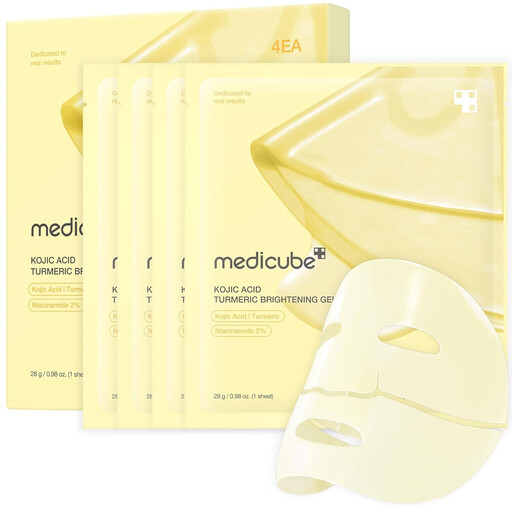
Why it suits this profile: The pack contains four 28 gram gel masks. It’s an easy way to try a K-beauty face mask without buying a large tub straight away.
The amount per mask and the number of masks are clearly stated. If you’re sensitive to new formulas, check the ingredients beforehand.
Four individual gel masks, listed as suitable for different skin types, with a focus on hydration and a more even-looking complexion.
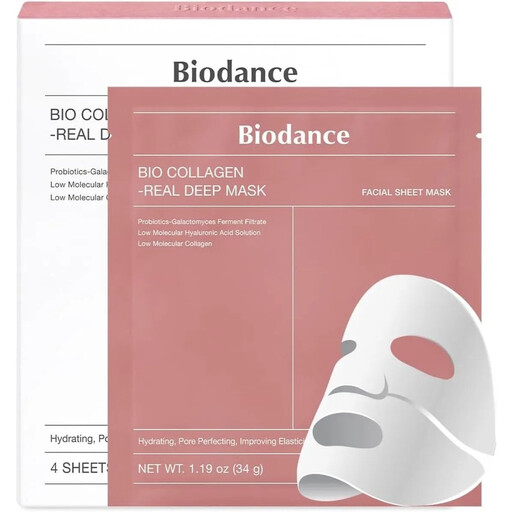
Why it suits this profile: This set contains four 34 gram bio-cellulose masks. The two-piece sheet is designed to fit closely to the face.
The application time is clearly specified: 3 to 4 hours, or until the mask turns transparent. This makes it less suitable as a quick mask, but easy to use as directed.
Bio-cellulose material, 4 x 34 grams, and ingredients such as glycerine, niacinamide, collagen extract and hydrolysed hyaluronic acid.
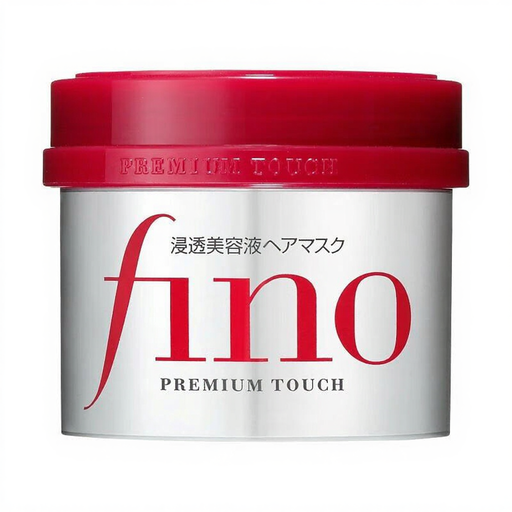
Why it suits this profile: The 230 gram tub is designed for regular users of a hair mask for dry and damaged hair, for example after colouring or frequent styling.
The product information clearly states that it contains silicones and should be used 1 to 2 times a week. This helps you decide whether it fits your own haircare routine.
Japanese hair mask formula, 230 grams, listed as suitable for all hair types and designed for dry, frizzy and dull hair.
If you’d like to try a complete routine first, consider a skincare routine set or travel skincare kit. The SKIN1004 Madagascar Centella Poremizing Travel Kit contains four products: cleansing foam, toner, ampoule and gel cream. The mixsoon 9 Step Trial Kit offers an even more extensive routine, including cleansing oil, toner, essences, cream and sunscreen.
Check the total contents when choosing a set. A travel skincare kit often contains small packs that are handy for a weekend or holiday, but less suitable for long-term daily use. Also check whether the set includes active ingredients such as salicylic acid, glycolic acid or retinol. Don’t combine several active products without following the instructions.
We’ve put together a complete, up-to-date list of products that meet these strict selection criteria and the applicable European safety regulations.
It depends on the product type and your skin. Some sheet masks are suitable for regular use, as stated on the packaging, while clay masks and peel-off masks are used less often. Follow the recommended frequency and stop if irritation occurs.
Check the product instructions. Shiseido Fino recommends using it 1 to 2 times a week as a replacement for conditioner. The Tsubaki Premium Repair Hair Mask specifies an application time of 5 to 10 minutes. Leaving it on for longer won’t necessarily make it more effective.
Close tubs, tubes and sachets securely and store them in a cool, dry place, away from direct sunlight. Sheet masks are usually for one-time use. Always check the expiry date and the period after opening on the packaging.
