
Vandaag of morgen in huis

Kwaliteit gegarandeerd

Welkomstaanbiedingen ontgrendelen: GRATIS bezorging | Tot 80% korting | Gratis 30 dagen JoyPlus-proefperiode
Download de app
A mask can be a simple addition to your skincare or haircare routine, but it is easy to buy the wrong product. A sheet mask that does not fit properly, a hair mask that weighs down coloured hair or a formula containing ingredients your skin cannot tolerate: such purchases offer little benefit.
As a Joybuy Product Recommendation Officer, I therefore focus on verifiable points: the type of mask, the ingredients list, the application time, the quantity and whether it is suitable for your skin or hair type. Marketing terms such as “lifting”, “repairing” or “glow” are not, on their own, a guarantee of a particular result.
A brand may claim, based on its own research or product information, that a collagen face mask makes the skin feel firmer or that an anti-ageing face mask makes fine lines less visible. These results are not guaranteed for every user. Instead, look at the ingredients, texture, amount of essence and directions for use.
A sheet mask is often intended to be worn for 10 to 20 minutes. According to the packaging, a hydrogel mask may be worn for several hours. Leaving it on for longer is not automatically better. Follow the instructions and remove a disposable mask after use.
Contact time also varies for hair masks. A 1-minute hair mask is practical on a busy morning, while a repairing hair mask may sometimes need 5 to 10 minutes.
Fragrance, essential oils, colour pigments and certain preservatives may not be suitable for everyone. Always check the full ingredients list. If you have sensitive skin, a patch test is advisable. Do not use a mask on damaged, irritated or broken skin, and stop using it if you experience redness, itching or a burning sensation.
A sheet mask is soaked in essence and quick to apply. A hydrogel face mask usually fits closely to the face and often consists of two parts. This can be useful when you want to wear the mask during a relaxed evening.
Look out for:
A mask that does not fit properly may mean that some areas of the skin have less contact with the essence.
A hydrating face mask often contains glycerine, panthenol, betaine, hyaluronic acid or ceramides. A soothing face mask may contain ingredients such as centella asiatica, allantoin or dipotassium glycyrrhizate. Always check the full formula, however: a product positioned as soothing may also contain fragrance or essential oils.
Niacinamide, adenosine, collagen and peptides are frequently found in formulas marketed as firming, brightening or anti-ageing. The presence of one of these ingredients does not, in itself, indicate how much of an effect you will experience.
For haircare, it is important to distinguish between different goals:
A pack containing 30 daily face masks may be more cost-effective per use than individual masks, but only if you intend to use them regularly. A product containing retinol requires particular attention to the directions for use and sun protection; according to the ingredients list, the Daily Mask Pack contains this ingredient in the Thursday mask.
When comparing hair masks, consider both millilitres or grams and the amount needed per application. A 180-gram tub for short hair will generally last differently from a pack intended for long, thick hair. Unless the packaging states otherwise, apply a hair mask from a few centimetres away from the roots.
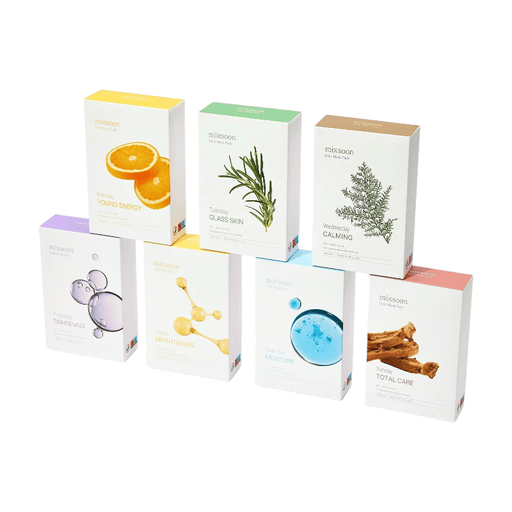
Why it suits this profile: The set contains 10 20 ml masks and offers different varieties for a simple routine, including moisture, calming and brightening.
The different varieties mean you do not have to use one formula for every skincare goal. Check the ingredients for each daily mask.
10 individual sheets; ingredients such as glycerine, niacinamide and panthenol feature in several varieties.
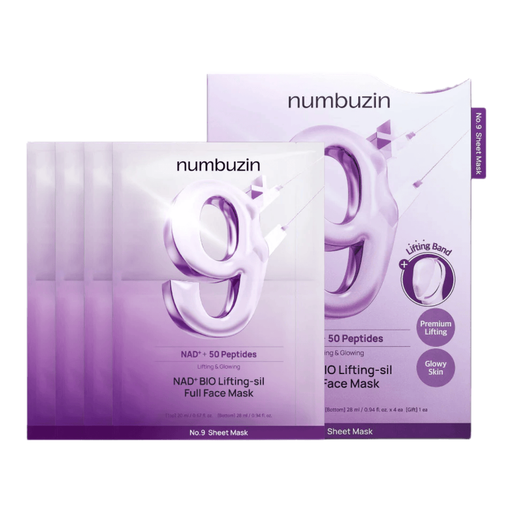
Why it suits this profile: The two-part sheet with ear loops and an adjustable band is designed to fit closely during your skincare routine.
The instructions specify a set wearing time of at least 20 minutes and warn against using it on irritated or damaged skin.
Niacinamide, glycerine, panthenol, collagen and a two-part fit are listed in the product information.
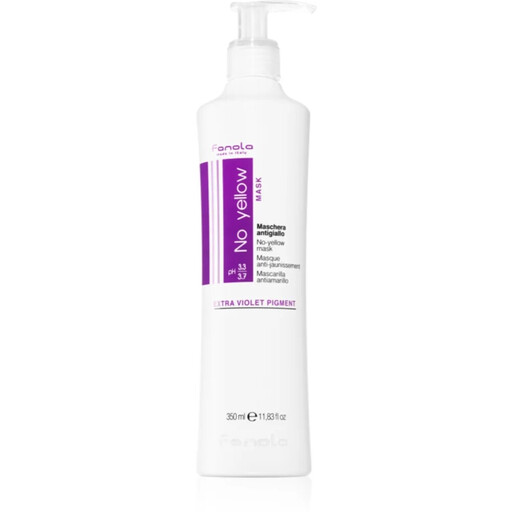
Why it suits this profile: According to the product description, this hair mask is intended for blonde, bleached, grey or white hair showing unwanted yellow tones.
The purple pigments make the colour-correction purpose clear. Stick to the recommended 3 to 5 minutes to prevent excessive pigment build-up.
350 ml contents; purple pigments; the product information mentions an acidic pH and use on blonde, bleached, grey and white hair.
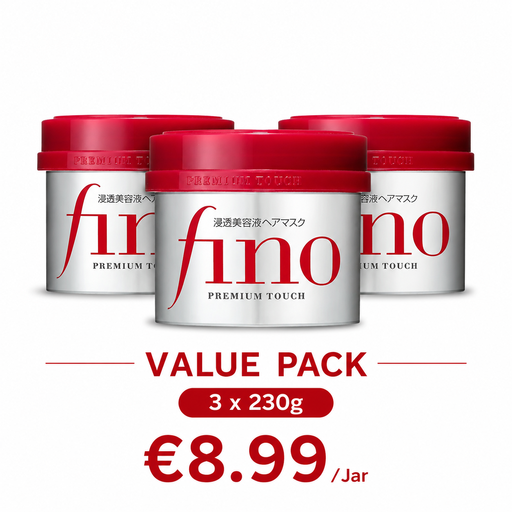
Why it suits this profile: The set is intended for dry, frizzy hair or hair stressed by colouring and styling, and the product information recommends using it 1 to 2 times a week.
The recommended frequency prevents you from automatically using a rich hair mask every day. Apply it to the lengths and ends.
Value pack containing three 230-gram packs; the product description mentions seven nourishing essences.
We have compiled a complete, up-to-date list of products that fully meet these strict selection criteria and the applicable European safety regulations.
This depends on the product and your skin or hair type. According to their product information, daily face masks are designed for regular use, while hydrogel masks with a concentrated formula are often applied once or a few times a week. A hair mask for damaged hair is generally used weekly; always follow the label.
Check the expiry date, batch number and the open-jar symbol indicating the period after opening on the packaging. Store opened packaging tightly closed and in a dry place. An individual sheet mask is intended for single use after opening.
A hydrating face mask is generally positioned as targeting moisture and a comfortable feeling on the skin. A collagen face mask contains collagen or collagen extract and is often associated with a firmer-looking appearance. Neither term predicts an individual result on its own; compare the full ingredients list and directions for use.
