
Livraison le jour même et le lendemain

Qualité garantie

Débloquez vos offres de bienvenue: Livraison GRATUITE | Jusqu'à -80 % | 30 jours d'essai gratuits à JoyPlus
Téléchargez l'application
Buying a mask seems straightforward – until you have to choose between a sheet mask, hydrogel face mask, overnight mask or hair mask. Marketing terms like “intensive care”, “lifting” and “glass skin” on their own tell you very little about whether a product actually suits your skin or hair.
With this guide, you can compare face and hair masks on verifiable points: ingredients, usage time, quantity, skin or hair type, and practical application.
Collagen, niacinamide, hyaluronic acid and ceramides frequently appear on packaging. However, the presence of an ingredient doesn’t automatically mean you’ll see a particular result. Look at the full ingredients list and also pay attention to any fragrances, alcohols or other substances you might be sensitive to.
A collagen face mask, for example, may contain hydrolysed collagen, while another product might rely mainly on glycerine, betaine or hyaluronic acid for a hydrating feel.
A sheet mask that stays on for 15 to 20 minutes usually fits better into a short evening routine. A hydrogel face mask that needs to be worn for 3 to 4 hours or overnight requires more planning. Always check the instructions for use.
With an overnight mask, it’s important that the product is stated by the manufacturer as suitable for longer wear. Don’t automatically leave a regular sheet mask on all night.
Don’t just compare the price – also compare the number of pieces and the content per mask. A pack of four masks weighing 34g each is priced differently per use than a set of ten sheets of 25ml each. With hair products, 180ml may be enough for a few applications, while a 430ml pot is suitable for regular use.
Also watch out for variations. The SHISEIDO Tsubaki mask description, for example, mentions a new version of 430ml and an old version of 490ml, which may be sent at random.
Use this breakdown as a starting point:
A short hair mask, such as an Andrélon hair mask with a recommended application time of 3 to 5 minutes, is handy for a weekday wash. A repairing hair mask for intensive care may need 5 to 10 minutes and is often more suitable for once or twice a week.
For face masks, the usage time varies widely. A GIK mask states 5 minutes, while some hydrogel masks become transparent after several hours. Follow the product instructions and stop if irritation occurs.
If you have sensitive skin, do a patch test on your wrist or behind your ear first, as advised for several of the products mentioned. Do not use a mask on damaged or irritated skin. Avoid contact with the eyes and rinse immediately with water if the product gets into your eyes.
A formula containing retinol, such as in some masks from the selection, can increase sensitivity to sunlight. In that case, the manufacturer advises sun protection and limited sun exposure. Always check the label for the exact composition.
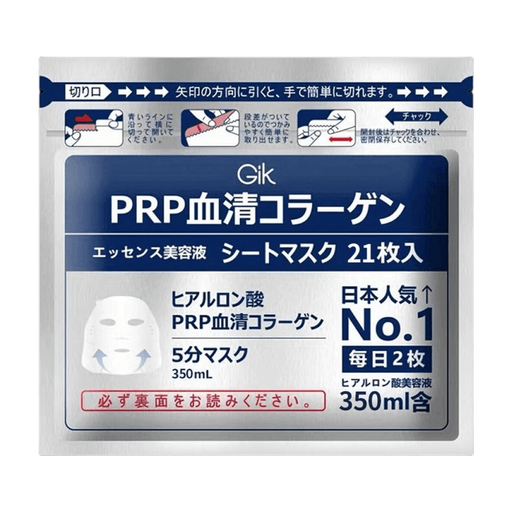
Why this fits the profile: The set contains 21 masks, making it suitable for anyone wanting to build a regular routine without buying individual sheets each time. The stated usage time is 5 minutes.
The number of pieces and total content are clearly stated, so you can better estimate the price per use.
21 sheets; ingredients list including glycerine, niacinamide, hydrolysed collagen and sodium hyaluronate.
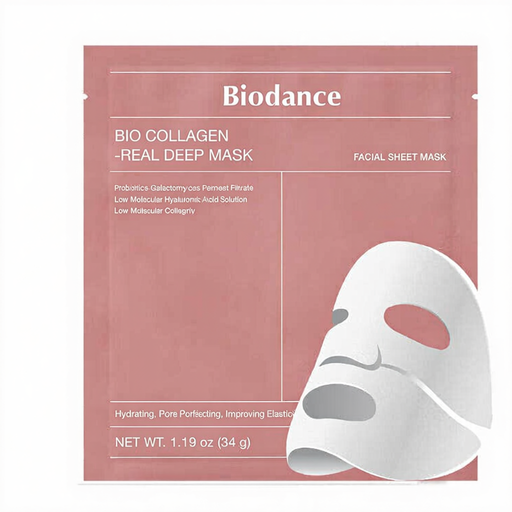
Why this fits the profile: The hydrogel structure is designed for longer use: according to the product information, 3 to 4 hours or overnight. That suits a planned wellness routine.
The packaging states four pieces of 34g and gives a specific usage time, rather than just a general intensive claim.
Four hydrogel masks; according to the ingredients list, contains collagen extract, glycerine and hydrolysed hyaluronic acid, among others.
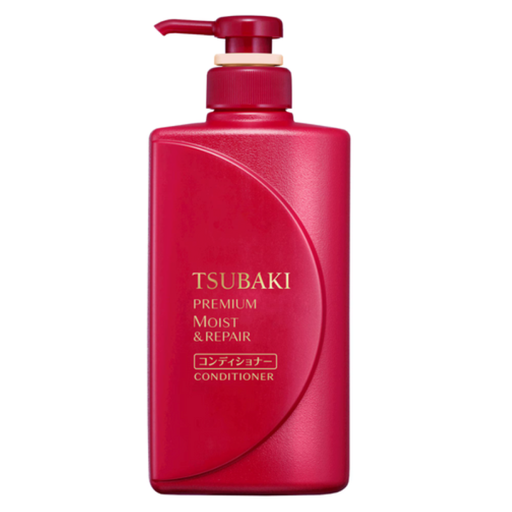
Why this fits the profile: This is a generous hair care pack for dry or damaged hair. The formula contains camellia seed oil and is described as being for hydration and care.
The product information mentions content, usage and ingredients. When you receive it, do check whether you have the stated new or old packaging.
430 or 490 ml; camellia seed oil; designed for use after washing and thorough rinsing.
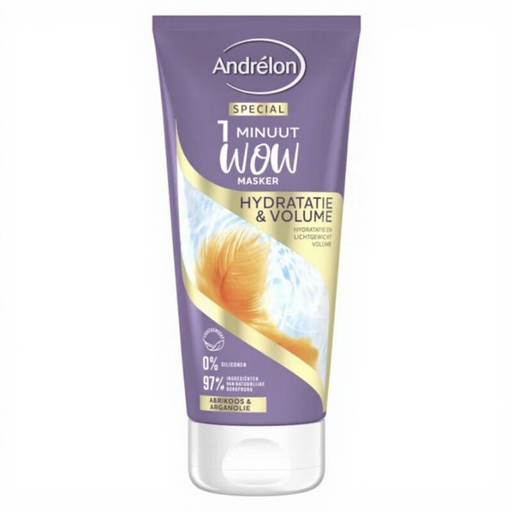
Why this fits the profile: This variant is aimed at hydration and volume for fine or dry hair. The stated application time of one minute suits a quick morning routine.
The application is short and the variant is specifically named Hydration & Volume, so you’re less likely to choose a repair formula that’s too heavy.
180 ml; intended for dry hair; ingredients list including coconut oil, argan oil and apricot extract.
We’ve put together a full, up-to-date list of products that fully meet these strict selection criteria and comply with current European safety regulations.
That depends on the formula and the instructions. A mild hydrating sheet mask can be part of a weekly routine, while a product with retinol or stronger active ingredients should be used less often. Follow the label and stop if you experience redness, swelling, itching or a burning sensation.
Some hydrogel masks are stated in the product information as suitable for overnight use, such as certain Biodance and variants. That doesn’t automatically apply to every hydrogel face mask. Check the recommended wear time and remove the mask when the instructions indicate.
A hair mask is usually intended as a more intensive treatment and often has a longer application time or a richer formula. A conditioner is generally more practical for every wash. For fine hair, a hair mask for volume with a light texture may be a better fit; for porous or treated hair, a repairing hair mask is likely to be more suitable.
