
Vandaag of morgen in huis

Kwaliteit gegarandeerd

Welkomstaanbiedingen ontgrendelen: GRATIS bezorging | Tot 80% korting | Gratis 30 dagen JoyPlus-proefperiode
Download de app
Buying a mask might seem straightforward, but the range on offer varies enormously. A sheet mask is designed for a quick treatment, whereas a wash-off mask requires a bit more preparation. With hair masks, porosity, hair thickness and colour all play an important role. If you only pay attention to words like “nourishing”, “detox” or “volume”, you could end up choosing a product that doesn’t suit your routine.
Words like “radiant”, “restorative” and “pore-refining” sound appealing, but they don’t always tell you how a product works or who it’s suitable for. Instead, look for verifiable information:
According to information from some brands, ingredients such as niacinamide, honey, centella or violet pigment can contribute to a particular care function. That’s no guarantee for every skin or hair type. Always check the full ingredients list on the packaging.
A rich, hydrating face mask can feel lovely on dry skin, but less suitable for oilier skin. With hair too, a nourishing mask can leave it feeling limp if you have fine hair or apply the product too close to the roots.
A product for fine hair is usually applied more sparingly, starting a few centimetres away from the scalp. A coconut hair mask can be great for dry or unruly hair, but getting the right amount is still key.
Leaving a mask on for longer doesn’t automatically mean better results. A sheet mask can dry out if left on the skin for too long. A purple No Yellow hair mask can cause unwanted colour differences if overused or used incorrectly. So always follow the manufacturer’s instructions and test a new product on a small area of skin or hair first.
Tailor the mask to your main need:
A sheet mask is individually packaged and usually contains a fixed amount of essence. It’s handy for a quick routine, but it’s disposed of after use. A pot or tube can be more economical if you use a wash-off mask regularly, although you need to work hygienically and follow the expiry information.
Also pay attention to the content. Five masks of 25 grams each is different from one pot of 100 ml. So compare the price per use, not just per pack.
With a hair mask, colour and texture are decisive:
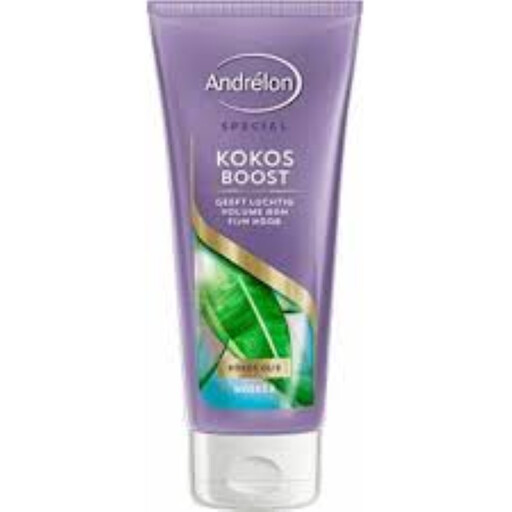
Why this fits the profile: The application time of 3 to 5 minutes suits a quick shower routine. The pack contains 180 ml and is designed for normal and fine hair.
The instructions state to apply from 5 centimetres away from the hair root. This helps reduce the chance of a heavy feeling at the scalp.
Coconut oil, a short application time and a formula without parabens according to the product information.
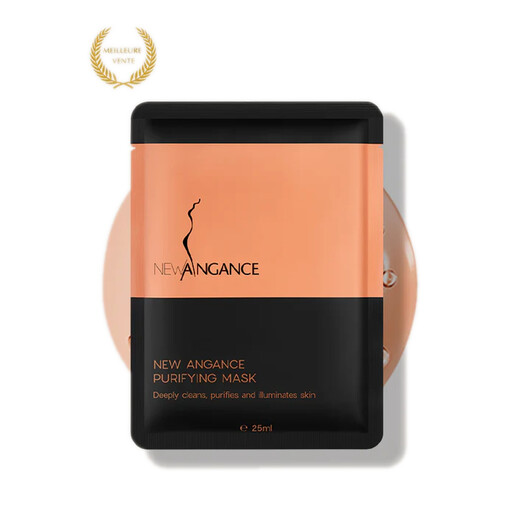
Why this fits the profile: The set contains ten individual sheet masks of 25 ml each. That’s practical when you want to build a consistent weekly skincare routine.
The usage time of 20 to 30 minutes is clearly stated. So you don’t have to guess how long to leave the mask on.
Contains niacinamide, glycerine and sodium hyaluronate according to the ingredients list; suitable for a routine of 2 to 3 applications per week as per the product information.
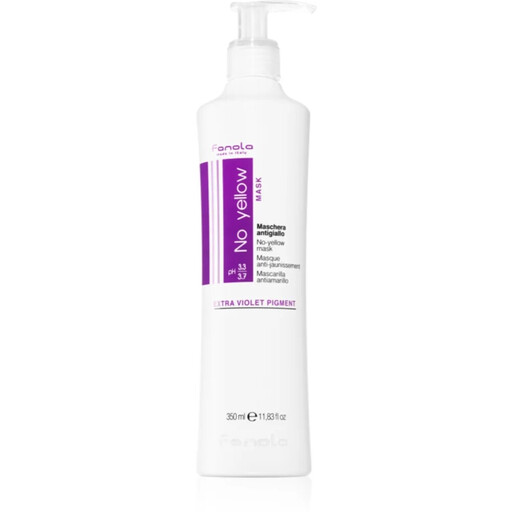
Why this fits the profile: This product is specifically designed for blonde, bleached, grey and white hair. The purple pigments suit a colour-correcting routine.
The target audience and pigment type are clearly indicated. This means you won’t choose a general hair mask when you actually want to tackle warm or yellow tones.
350 ml content, violet pigment and a recommended application time of 3 to 5 minutes.
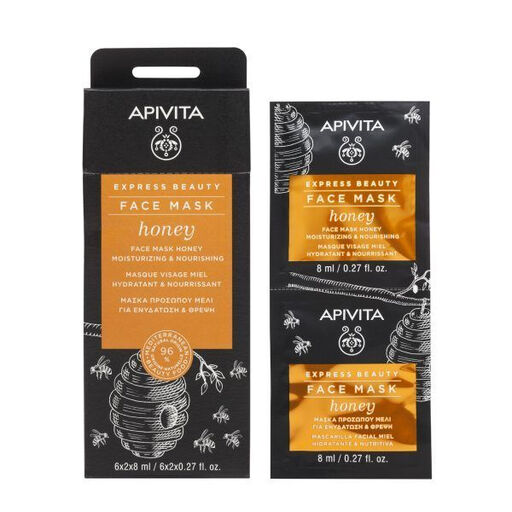
Why this fits the profile: The instructions ask you to apply a thick layer to cleansed skin, leave on for 12 to 15 minutes and then rinse off. That suits a planned weekly treatment.
The product description explicitly mentions dry skin and advises testing behind the ear first. This makes the choice clearer than a general claim for all skin types.
Manuka honey, oat beta-glucan, shea butter and sodium hyaluronate are listed in the ingredients list.
We’ve put together a full, up-to-date list of products that fully meet these strict selection criteria and comply with current European safety regulations.
A collagen mask can be appealing if you’re looking for a hydrogel or sheet mask. However, the presence of hydrolysed collagen in an ingredients list doesn’t in itself tell you what visible effect you’ll experience. The same goes for a vegan face mask: check for the explicit vegan label and the current packaging.
That depends on the product and your skin or hair type. Some face masks recommend once or twice a week, while the NewAngance sheet masks can be used two to three times a week according to the product information. A hair mask can be used weekly or after washing, as long as you follow the instructions and your hair doesn’t feel heavy.
Check the expiry date and the period after opening on the packaging. With pots, hygienic use is important: use clean hands or a spatula and close the packaging immediately. Individually packaged sheet masks are typically used one at a time; a hydrogel mask should not be reused according to the product information.
A sheet mask is a pre-soaked sheet that you remove after the application time. A wash-off mask, such as a honey mask or gel mask, you apply and then rinse off. Choose sheet masks for convenience and a fixed dosage; choose a pot or tube when you want to control the amount yourself and use a mask more often.
