
Vandaag of morgen in huis

Kwaliteit gegarandeerd

Welkomstaanbiedingen ontgrendelen: GRATIS bezorging | Tot 80% korting | Gratis 30 dagen JoyPlus-proefperiode
Download de app
A face gel often feels lighter than a classic cream and usually absorbs quickly. This makes it a popular choice for people with normal, combination or oily skin, as well as for anyone who doesn't want a heavy layer on their face. However, a fresh texture doesn't automatically mean a product is right for your skin.
The following pitfalls are common:
For an oily skin or combination skin, an oil-free face gel can be a good choice. Check whether the product is explicitly described as oil-free or non-greasy. According to the product information, Clinique Dramatically Different Moisturizing Gel is oil-free, fragrance-free and designed for oily skin. It contains 125 ml.
For dry or tight-feeling skin, a hydrating face gel with glycerine, hyaluronic acid, panthenol or other moisture-binding ingredients is a logical option. According to their cosmetic function, these substances help to retain moisture on the skin’s surface. They are not a substitute for medical treatment and the effect varies from person to person.
A face gel for sensitive skin requires extra attention to fragrance and alcohol. According to the ingredients list, NIVEA MEN Sensitive Skin & Beard Face Gel contains fragrance, but the product description states it contains no ethyl alcohol. If you react quickly to skincare products, you can try the product on a small area of skin first.
The order of ingredients gives a practical indication of the formula. In many gels, aqua is listed first, followed by ingredients like glycerine, dimethicone or butylene glycol. For a hyaluronic acid face gel, look for terms like sodium hyaluronate or hyaluronic acid.
Also watch out for ingredients you may prefer to limit:
Claims like “dermatologically tested”, “vegan” or “hypoallergenic” are product characteristics, not a guarantee that everyone will tolerate the product without issues.
A gel cream for the face is usually applied to cleansed skin. Apply a small amount to your face and, if desired, your neck. During the day, sun protection should be part of a complete routine, especially if a product contains ingredients that can make the skin more sensitive to sunlight.
If you use multiple products, don’t test them all at once. Start with one face gel and pay attention to comfort, dryness or irritation for a few days. Stop if you have a clear reaction. Avoid contact with the eyes and always follow the instructions on the packaging.
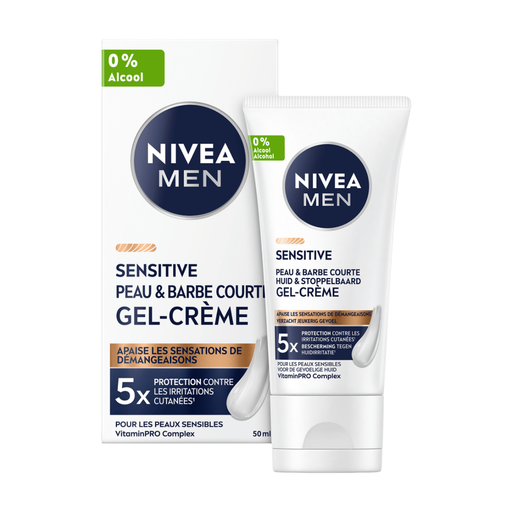
Why this fits the profile: A simple daily face gel for men with stubble and sensitive skin. The lightweight formula is designed for face and beard.
The product information states a formula without ethyl alcohol and mentions use on stubble. However, check the ingredients list for fragrance if your skin is sensitive to it.
50 ml, glycerine and panthenol in the ingredients list, developed for daily use on face and beard.
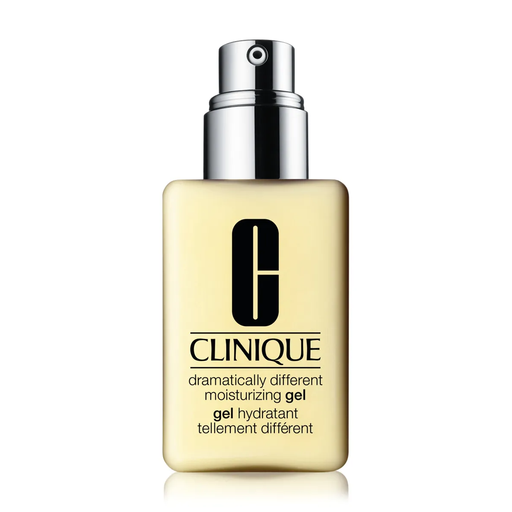
Why this fits the profile: A large size for anyone with a consistent morning and evening routine who wants an oil-free gel for oily or combination skin.
The product details state oil-free and fragrance-free. This makes the choice more concrete than just a claim about a “light” texture.
125 ml volume, oil-free formula and suitable for face and neck.
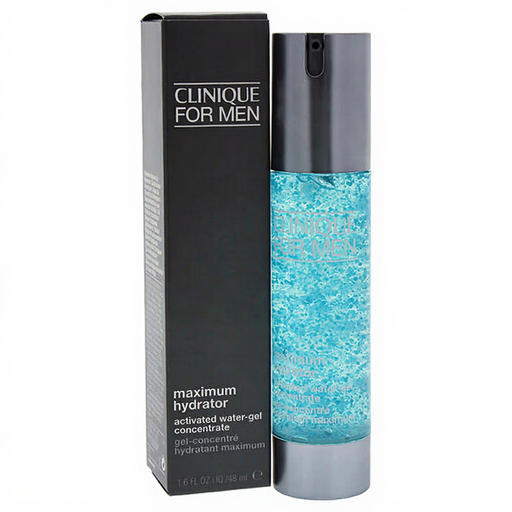
Why this fits the profile: For men looking for a fast-absorbing water-gel for face and neck, even after shaving.
The product details mention an oil-free and fragrance-free formula. The claim of 24-hour hydration comes from the brand’s communication and is not a guarantee for every user.
48 ml, pump bottle, sodium hyaluronate in the ingredients list and suitable for all skin types according to the product details.
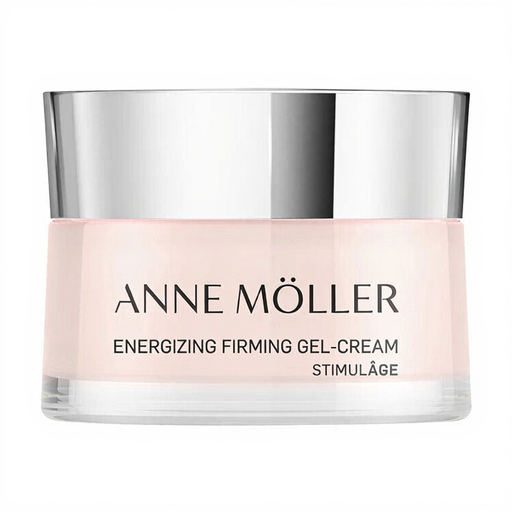
Why this fits the profile: A gel cream for the face when you want hydration plus attention to a firmer skin feel, with an oil-free texture.
The product details specify an oil-free formula and suitability for all skin types. Claims about tetrapeptides and skin firming come from the manufacturer.
50 ml, oil-free gel cream, according to the product information vegan and paraben-free.
We’ve put together a full, up-to-date list of products that fully meet these strict selection criteria and comply with current European safety regulations.
Often yes, especially when the packaging states an oil-free formula. A gel can feel less heavy than a cream, but still check the ingredients and test the product calmly on your own skin.
That depends on the absorption rate and how it works with other products. Apply a thin layer to clean skin and let it sink in before using sun protection or make-up. A gel cream with a light texture is usually practical for this.
Check the expiry information on the packaging and the symbol of an open jar, for example 12M. Store the product in a cool, dry place away from direct sunlight. If the smell, colour or texture changes, stop using it.
