
Vandaag of morgen in huis

Kwaliteit gegarandeerd

Welkomstaanbiedingen ontgrendelen: GRATIS bezorging | Tot 80% korting | Gratis 30 dagen JoyPlus-proefperiode
Download de app
A face gel cream often feels lighter than a traditional cream. That makes this type of product appealing for oily, combination, sensitive or acne-prone skin. However, a fresh texture doesn't guarantee that a formula will suit your skin. A product may absorb quickly, but still contain fragrance, fail to retain enough moisture, or pill under sunscreen.
The right choice therefore starts not with a flashy claim on the packaging, but with the ingredients list, skin compatibility and how you plan to use it.
A watery gel feels pleasant, but can sometimes evaporate quickly without keeping your skin comfortable for long. So don't just look at the texture. Glycerine, panthenol, hyaluronic acid, beta-glucan and sodium hyaluronate are examples of ingredients used in product formulas for moisture binding. A good gel moisturiser often combines humectants with ingredients that help lock in moisture.
An oil-free face cream can be pleasant for a shiny or combination skin, but "oil-free" says nothing about fragrance, alcohol, silicones or other components. Always check the full ingredients list. An oil-free formula can still feel rich due to the emollients or film-formers used.
Terms like "soothing", "barrier repair" or "anti-ageing" don't describe the same result for everyone. According to a brand's own research, certain percentages or usage results may be mentioned, but these are not automatically predictable for every user. Treat such information as product information, not a medical promise. Stop if you experience a burning sensation, itching or swelling, and consult a doctor if symptoms persist.
For oily skin or acne-prone skin, a light, non-sticky formula can be practical. Look for terms like non-comedogenic, but don't consider them an absolute guarantee: skin reactions vary from person to person. For sensitive skin, a fragrance-free gel cream, a short ingredients list and a patch test are sensible points to consider.
If you have dry or dehydrated skin, you're better off choosing a hydrating gel cream with multiple humectants. For combination skin, a thin layer over the whole face and an extra layer on drier areas can be more practical than one heavy cream.
With sensitive skin, it's wise not to introduce several new active products at once. That way, you can better see how your skin reacts.
Compare the volume in millilitres with the price. A 15 ml pot is handy for travel or to try first, but less economical for daily use than a 75 ml or 100 ml pack. A pump bottle or tube generally limits contact with the product. Store the gel cream according to the packaging, away from direct sunlight and tightly closed.
Apply the cream to cleansed skin, usually after serum and before sunscreen during the day. Let each layer sink in briefly if products start to pill. When trying a new formula, test it on a small area of skin first.
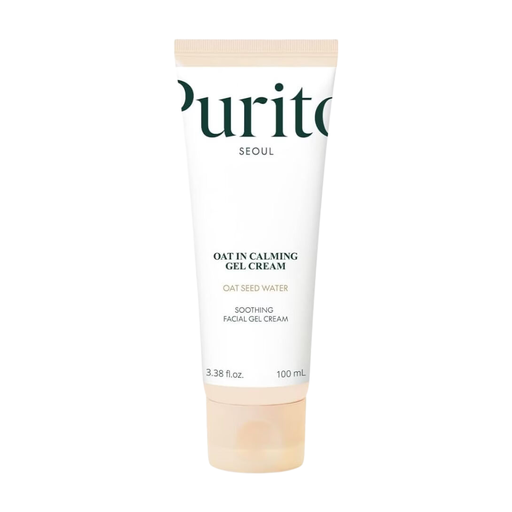
Why this fits the profile: The 100 ml pack is practical for daily morning and evening use. According to the product information, this gel cream contains 77% oat seed water, glycerine, panthenol, squalane and beta-glucan.
The formula isn't just focused on a fresh texture; it also contains multiple humectant and nourishing components. Check the ingredients for known allergies.
100 ml volume; panthenol, squalane and beta-glucan listed in the formula.
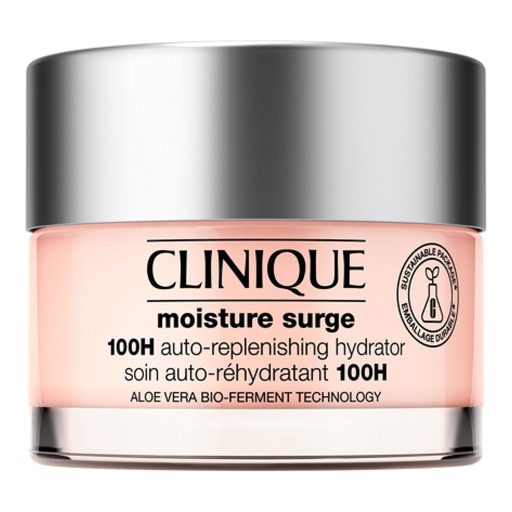
Why this fits the profile: This oil-free and fragrance-free gel cream contains hyaluronic acid and aloe bio-ferment according to the product information. The 50 ml pack suits a consistent morning and evening routine.
The product information explicitly states oil-free and fragrance-free. That makes the formula more verifiable for shoppers who want to avoid these components, without predicting an individual skin reaction.
Oil-free; fragrance-free; hyaluronic acid listed as an ingredient.
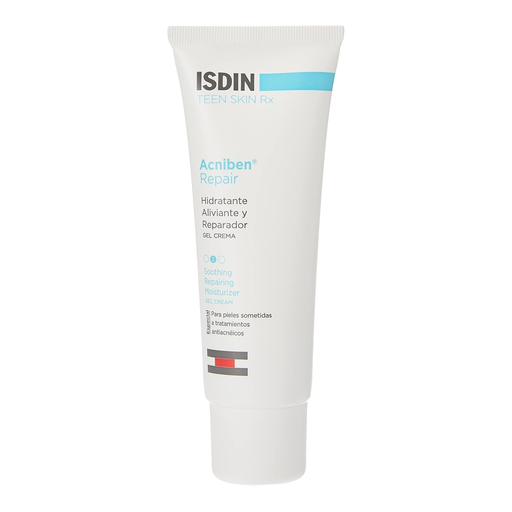
Why this fits the profile: The product information positions this fragrance-free gel cream for sensitive skin and acne-prone skin. Hyaluronic acid is listed as an ingredient and the light texture is intended for daily use.
The packaging and formula information mention fragrance-free and hyaluronic acid. Patch testing remains sensible, especially if your skin already reacts sensitively.
Fragrance-free formula; 40 ml; product information lists hyaluronic acid.
We've put together a full, up-to-date list of products that fully meet these strict selection criteria and comply with current European safety regulations.
Often yes, especially if you find a light, oil-free or non-sticky formula pleasant. Also check the ingredients list and see whether the product is labelled as suitable for oily or combination skin. Don't automatically apply multiple layers: start with a small amount.
Yes, a gel cream is typically applied after serum and before sunscreen. Let the cream sink in first. If the products start to pill, use less product or wait longer between layers. Test a new combination first during your normal routine.
Follow the expiry date and the period-after-opening symbol on the packaging. Store the product in a cool, dry place away from direct sunlight. If the smell, colour or texture changes noticeably, stop using it. A larger pack is only economical if you can use it up within the stated period after opening.
