
Vandaag of morgen in huis

Kwaliteit gegarandeerd

Welkomstaanbiedingen ontgrendelen: GRATIS bezorging | Tot 80% korting | Gratis 30 dagen JoyPlus-proefperiode
Download de app
A face gel cream often feels lighter than a classic cream. That makes this type of product appealing if you have oily, combination, sensitive or dehydrated skin and don’t want to feel a heavy layer. However, “gel” is no guarantee of a suitable formula. The composition, quantity, packaging and how it works with your other products all determine your daily comfort.
A light gel can feel pleasant, but fast absorption doesn’t automatically mean your skin stays comfortable for long. So look for moisturising ingredients such as glycerine, panthenol, betaine and hyaluronic acid. Ingredients like squalane, ceramides and certain emollients can help moisture evaporate less quickly.
A face cream with hyaluronic acid is particularly interesting if you experience a tight feeling. The result does depend on the full formula and your skincare routine; one ingredient alone doesn’t determine the effect.
Words like “calming”, “brightening” and “barrier repair” sound appealing, but check which ingredients are mentioned alongside them. According to the product descriptions of some brands, for example, centella asiatica, oat, green tea or panthenol are used for a comfortable skin feel. That’s no guarantee for every skin type.
With a sensitive skin, also watch out for fragrance, essential oils, alcohol denat. and known allergens. A fragrance-free formula can be a practical choice, but even then it remains important to check the ingredients list on the packaging you receive.
A 100 ml pot may seem good value, but a small tube can be more hygienic and convenient for on the go. Also check whether the cream is intended for morning, evening or both. Some formulas work well under sunscreen or make-up, while others, with their richer texture, are better suited as a final evening step.
A light face cream or gel moisturiser is often suitable for oily or combination skin, because the texture can feel less heavy. For dry or dehydrated skin, a gel cream may be sufficient in warm weather, but in a cold, dry season an extra moisturiser may be needed.
Glycerine and hyaluronic acid are widely used as humectants. Panthenol is often added for a cared-for and comfortable skin feel. Centella asiatica, oat and beta-glucan frequently appear in a soothing gel cream. Ceramide NP and squalane fit into routines where attention is paid to the skin barrier.
According to a brand’s own research, efficacy claims should not be read as a guaranteed result for every user. So use the product description as a guide and mainly compare the verifiable ingredients, contents and usage instructions.
Apply a gel cream to cleansed skin, usually after a serum and before sunscreen in the morning. If you have sensitive skin, start with a small amount on a limited area. Stop if you experience a burning sensation, itching, swelling or obvious irritation, and follow the safety information on the packaging.
Use a sun protection product during the day if your routine contains ingredients that can increase sensitivity to sunlight. A gel cream does not replace sun protection.

Why it fits this profile: The packaging contains 100 ml and the formula is, according to the product description, focused on hydration with 77% oat seed water, glycerine and panthenol. That makes this a practical option for a simple morning and evening routine.
The ingredients list makes clear which humectants and emollients are present, rather than just using a general claim about a light texture.
100 ml content; contains oat seed water, panthenol, squalane and beta-glucan according to the stated ingredients list.
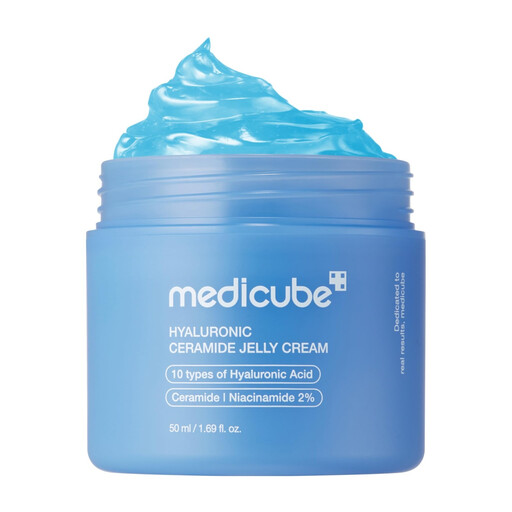
Why it fits this profile: This jelly cream combines, according to the product information, hyaluronic acid, ceramide NP, niacinamide, panthenol and squalane. That suits users who want a light texture combined with a more comprehensive hydration and barrier-focused routine.
The formula clearly shows which ingredients support moisture care, so you don’t have to rely solely on the name “jelly”.
50 ml content; contains hyaluronic acid, ceramide NP, niacinamide and squalane.
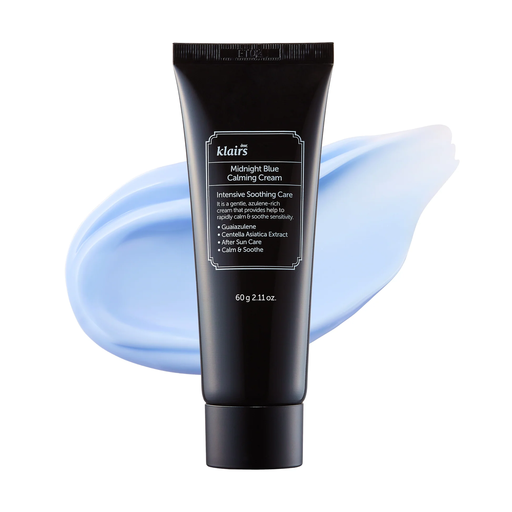
Why it fits this profile: The product description mentions a fragrance-free gel-like moisturiser with centella asiatica, niacinamide, ceramide NP and guaiazulene. The cream is intended as a final step in a simple evening routine.
The stated formula and usage instructions provide more context than just a general promise of a “calming” effect.
60 g content; fragrance-free formula with centella asiatica, niacinamide and ceramide NP.
Check the expiry date and the symbol for the period after opening on the packaging. Store the cream in a cool, dry place away from direct sunlight, and close the packaging carefully. A change in smell, colour or texture may be a reason to stop using the product.
Yes, many light gel creams are suitable for this when they have fully absorbed. Apply a thin layer first and wait a short while before using sunscreen or make-up. Test the combination beforehand, as pilling can occur due to different formulas or too much product.
It can be, but look beyond the texture. For oily skin, oil-free or light formulas often work well. For sensitive skin, fragrance-free options and a limited ingredients list are practical points to consider. Test a new product on a small area of skin first and follow the manufacturer’s safety information.
We have compiled a full, up-to-date list of products that fully meet these strict selection criteria and comply with current European safety regulations.
