
Vandaag of morgen in huis

Kwaliteit gegarandeerd

Welkomstaanbiedingen ontgrendelen: GRATIS bezorging | Tot 80% korting | Gratis 30 dagen JoyPlus-proefperiode
Download de app
A face emulsion usually sits somewhere between a toner, lotion and cream in texture. The formula often feels lighter than a classic facial moisturiser, but it can still help lock in moisture and leave your skin feeling comfortable. That makes an emulsion an interesting option for dry, sensitive, oily or mature skin.
However, not every hydrating face emulsion is automatically right for you. Marketing terms like “intensive hydration”, “collagen boost” or “anti-ageing” don’t tell you much without checking the full ingredients list and usage instructions.
A product that boasts, for example, 77% peach water sounds appealing, but the percentage alone doesn’t reveal how the whole formula works. You also need to check which hydrating, soothing and supporting ingredients come next. In the Anua emulsion, you’ll find glycerine, panthenol, ceramide NP and several forms of hyaluronic acid listed.
An ingredient that appears high on the list is generally present in a larger amount, but the final feel on your skin also depends on the combination, the texture and your skin type.
Claims about reducing redness, strengthening the skin barrier or improving wrinkles are not automatically universal results. According to Origins’ own research, the Mega Mushroom emulsion was clinically tested on 31 women after a single use. The product description mentions a hydrating effect lasting up to 48 hours and improvements in the test panel’s moisture balance. That’s useful product information, but it’s no guarantee for every user.
The same caution applies to retinol. An anti-ageing emulsion with retinol can support a routine aimed at a more even skin texture, but retinol can cause sensitivity and irritation. So start gradually and always follow the label.
A serum and a face ampoule are usually more concentrated and are often applied before a moisturiser. An emulsion is typically intended as a hydrating step that leaves your skin feeling supple. These products can complement each other, but using several active formulas at once increases the chance of discomfort.
A simple order to follow is:
Choose a light emulsion if you have oily or combination skin and don’t want a heavy layer. The Skeyndor Essential Hydrating Emulsion is recommended for oily and combination skin according to the product information, and it has an oil-free formula. For dry skin, a richer version with ingredients like squalane, glycerine, oils or ceramides may feel more comfortable.
SENSAI distinguishes between different textures: Emulsion I for a lighter finish, Emulsion II for normal to dry skin, and Emulsion III for dry to very dry skin. So make sure you check which variant you’re buying.
Also watch out for fragrance, essential oils and alcohol if you have sensitive skin. Even natural fragrances can cause irritation for some people.
Don’t just compare the price – compare the volume too. A pack of 140 or 150 ml is practical for daily use, while an ampoule of 30 or 50 ml is intended for a smaller amount per application. A pump bottle helps limit contact with the product; a dropper makes it easy to dose a serum or ampoule.
Always check the expiry date and the period-after-opening symbol on the packaging. Do not use a product on damaged skin, and stop if you experience persistent redness, itching, swelling or a burning sensation.
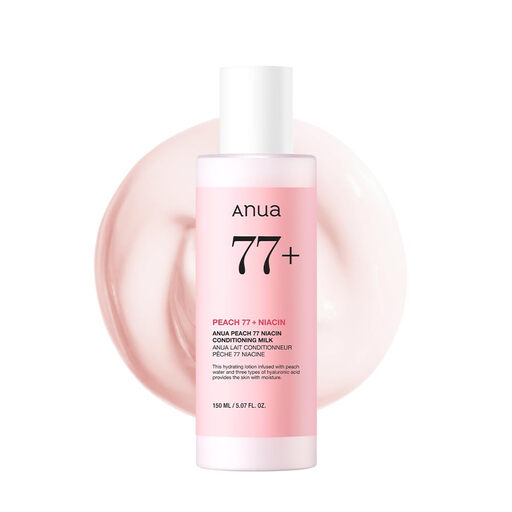
Why this fits the profile: The generous 150 ml size and its suitability for both morning and evening use make it ideal for anyone looking for a simple Korean skincare emulsion.
The ingredients list clearly shows that, alongside peach water, it also contains glycerine, panthenol, ceramide NP and several forms of hyaluronic acid.
150 ml, suitable for morning and evening use, and a formula with hydrating and supporting ingredients.
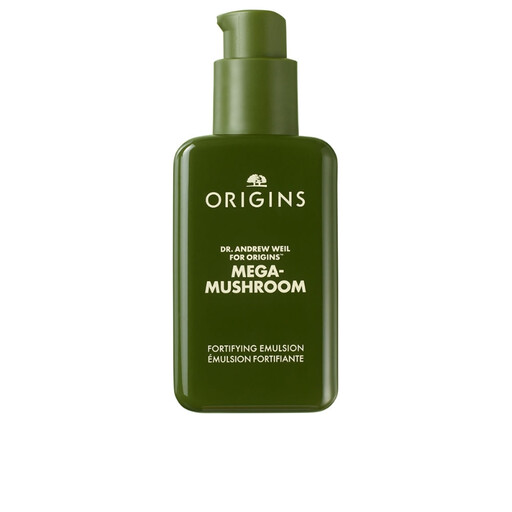
Why this fits the profile: A light texture, pump packaging and suitability for both day and night use make it practical for a consistent routine.
The product information clearly states the texture, volume, pump dispenser and alcohol-free formulation. Fragrances are listed in the ingredients.
100 ml, light emulsion texture, squalane and glycerine in the formula, and suitable for all skin types according to the product data.
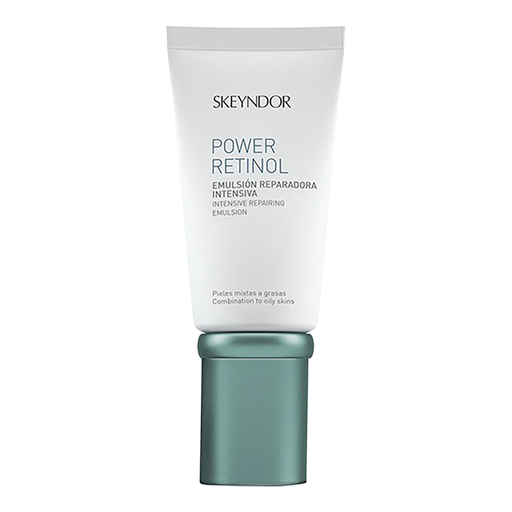
Why this fits the profile: Ideal for anyone who wants to consciously add a retinol product to their evening routine and can adjust the frequency of use according to their skin’s condition.
The product information mentions retinol, a pump bottle and use on cleansed skin. Check the full packaging yourself and build up usage gradually.
50 ml, retinol as a listed active ingredient, and a light emulsion texture according to the product description.
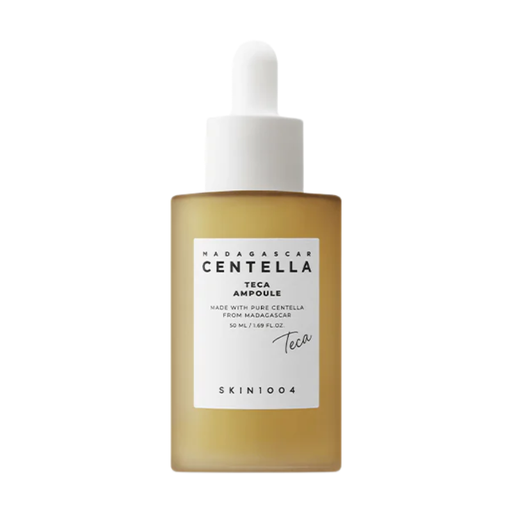
Why this fits the profile: This ampoule suits anyone looking for a light, layerable step for hydration and comfort.
The formula and usage instructions are specific: centella asiatica, niacinamide, allantoin, sodium hyaluronate, and the option to apply in thin layers.
50 ml, centella asiatica as the main ingredient, and several ingredients commonly used in a hydrating routine.
We’ve put together a full, up-to-date list of products that fully meet these strict selection criteria and comply with current European safety regulations.
During the day, apply a light emulsion after your serum and finish with a sunscreen. An emulsion with SPF is not always sufficient as your only sun protection; check the stated protection factor and apply enough.
In the evening, you can choose a richer formula, especially if you have dry skin. Preferably do not use retinol at the same time as several other strong active ingredients if your skin is not used to them. A simple routine also makes it easier to see which product you like or dislike.
Not quite. An emulsion is usually thinner and lighter than a cream, but it can be used as a facial moisturiser. Whether you need a cream on top depends on your skin type, the season and how comfortable your skin feels.
Yes, you can, but check the ingredients first. Fragrance, essential oils, retinol and certain types of alcohol can be less pleasant for sensitive skin. Test a new product on a small area of skin first and follow the safety instructions on the packaging.
Check the expiry date and the period-after-opening symbol on the packaging. Store the emulsion in a cool, dry place away from direct sunlight and keep it tightly closed. If the smell, colour or texture changes noticeably, do not use the product any more.
