
Vandaag of morgen in huis

Kwaliteit gegarandeerd

Welkomstaanbiedingen ontgrendelen: GRATIS bezorging | Tot 80% korting | Gratis 30 dagen JoyPlus-proefperiode
Download de app
A new face cream seems easy to choose, until you have to compare Korean skincare, gel creams, nourishing formulas and products containing retinol, niacinamide or centella. Marketing copy often promises radiant skin, intense hydration or a stronger skin barrier. However, one popular ingredient does not tell you everything about whether a product is suitable for your skin.
Pay particular attention to the full ingredients list, texture and directions for use. This will help you avoid buying an expensive cream that feels too greasy, stings or ends up sitting unused in the bathroom after a few weeks.
A niacinamide cream, hyaluronic acid cream or centella cream may sound appealing, but the concentration and the rest of the formula also affect how the product feels. According to the product description, Beauty of Joseon Dynasty Cream contains niacinamide, glycerine, panthenol, sodium hyaluronate and centella asiatica extract, among other ingredients. This points to a combination of hydrating and nourishing ingredients, rather than one standalone effect.
Claims such as “restores the skin barrier” should also be read carefully. A cream can make your skin feel more comfortable and help it retain moisture, but cosmetic products are not a substitute for medical treatment.
A nourishing face cream or cream for dry skin often contains oils, butters or emollient ingredients. This can feel pleasant when your skin feels tight, particularly in winter. However, a rich texture may feel heavy on oily, combination or blemish-prone skin.
A gel cream such as Clinique Moisture Surge 100H is described in the product information as suitable for dry, very dry, combination and oily skin. The formula is described as alcohol-free, fragrance-free and non-comedogenic. Always check the current packaging and ingredients list, as product specifications may vary by market or packaging.
These statements can provide useful information, but they do not mean that every user will tolerate the product without problems. Check the ingredients for fragrance, essential oils, alcohol, nut oils and other substances you may be sensitive to. Test a new cream for sensitive skin on a small area first and stop using it if irritation persists.
Start by choosing according to your everyday needs:
Glycerine, betaine and hyaluronic acid are commonly used humectants for hydration. Ceramide NP and lipids are mainly found in formulas designed to support the skin’s protective layer. Centella asiatica, also known as cica, is often used in soothing Korean skincare products.
A retinol cream requires more care. According to the product description, The Retinol 0.1 Cream contains 0.1% retinol, as well as hyaluronic acid and panthenol, among other ingredients. Introduce it gradually, follow the packaging instructions and use sun protection during the day. Retinol may cause dryness or irritation for some users.
Do not compare the price alone; consider the amount too. A 100 ml pot may work out cheaper per use than a 20 ml tube. However, a pot requires hygienic use, for example with clean hands or a spatula. Check the expiry date, batch number and period after opening on the packaging.
When buying Korean face cream, also check the exact variant. Some products are available in 15, 50, 75 or 100 ml sizes. For example, Beauty of Joseon Dynasty Cream is available in a 50 ml version and as an offer listed as 100 ml on the product page. Always check the current size before buying.
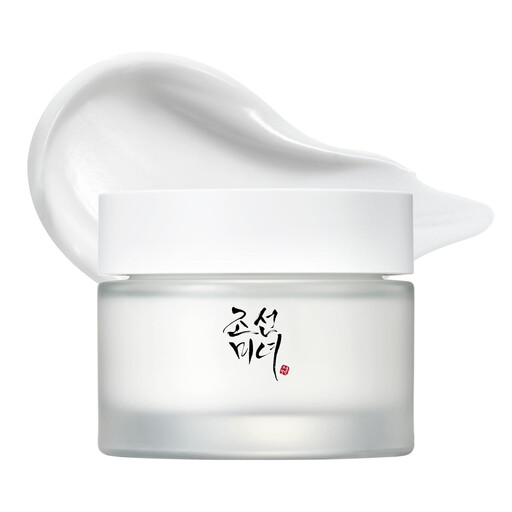
Why it suits this profile: A versatile Korean face cream for anyone looking to combine hydration with a creamy texture in a simple routine.
The product information lists several hydrating and nourishing ingredients, so the choice is not based on just one marketing claim.
50 ml; according to the product details, contains niacinamide, panthenol, sodium hyaluronate and centella asiatica.
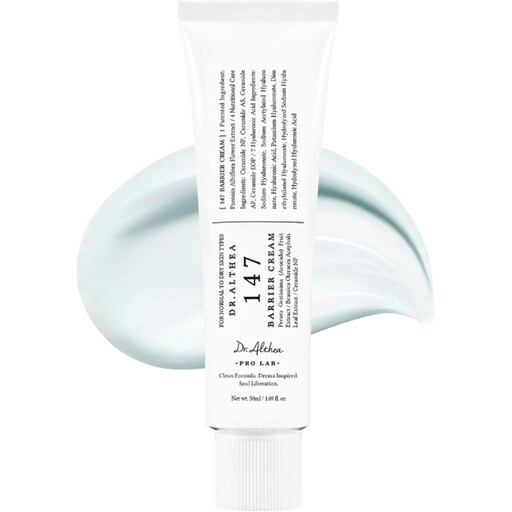
Why it suits this profile: Suitable for users looking for a richer hydrating formula with a focus on the skin barrier.
The product description mentions seven types of hyaluronic acid and ceramides. Check the full INCI list if you are prone to reactions.
50 ml; according to the product information, contains ceramides, vitamin E and guaiazulene.
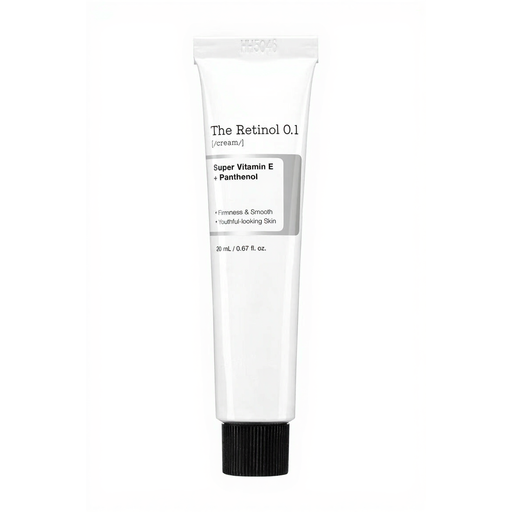
Why it suits this profile: For anyone specifically looking for an anti-ageing face cream with retinol and prepared to build up their routine gradually.
The retinol strength of 0.1% is stated in the product description. This makes the choice easier to assess than a general claim about renewal.
20 ml; according to the product information, contains retinol, hyaluronic acid and panthenol.

Why it suits this profile: A practical choice for anyone looking for a lightweight gel cream that can also be used under make-up or sun cream.
The product details specify a gel cream and state that it is fragrance-free, alcohol-free and non-comedogenic. Check the packaging for the latest information.
30 ml; according to the product information, suitable for dry, combination and oily skin.
We have put together a complete, up-to-date list of products that fully meet these strict selection criteria and the applicable European safety regulations.
You will usually apply face cream as the final step in your skincare routine, after cleansing and any serum. In the morning, also use a sun cream with suitable protection. For an active formula such as retinol cream, always follow the specific instructions on the packaging.
The shelf life is stated on the packaging. Look for an expiry date, batch number and the symbol indicating the period after opening. Store the cream somewhere cool and dry, away from direct sunlight, and close the pot or tube properly after use. If the smell, colour or texture changes noticeably, stop using the product.
A cream for dry skin often contains a combination of humectants and emollient ingredients, such as glycerine, hyaluronic acid, ceramides, shea butter or oils. Choose a richer formula if your skin feels tight. Opt for a lighter hydrating face cream if a rich cream sits on the skin or pills under make-up.
