
Vandaag of morgen in huis

Kwaliteit gegarandeerd

Welkomstaanbiedingen ontgrendelen: GRATIS bezorging | Tot 80% korting | Gratis 30 dagen JoyPlus-proefperiode
Download de app
Buying a face cream seems simple until you have to choose between a hydrating face cream, a gel cream, a cream for dry skin or a barrier-repair cream. Marketing copy often makes it harder than it needs to be. A “rich” texture, for example, may feel comfortable on dry skin but too heavy on oily skin. And a long ingredients list, by itself, says little about how well a formula will suit you.
Use this practical guide to compare skin type, texture, ingredients, size and how you plan to use the product. That way, you can avoid paying for something that ends up unused in your bathroom after a few days.
Words such as “intensive”, “repairing” and “anti-ageing” are no guarantee of a particular result. Hyaluronic acid, for example, mainly helps retain moisture on the skin’s surface. That doesn’t automatically mean a cream is suitable for very dry or sensitive skin.
So check the full ingredients list. Glycerin, betaine, panthenol and different forms of hyaluronic acid are examples of moisture-binding ingredients. Ceramide NP, cholesterol and fatty acids may feature in formulas designed to support the skin barrier.
A product description may say a cream is suitable for all skin types, but your preferences for texture and fragrance still matter. A cream containing oils or shea butter may feel comfortable on dry skin, while a lightweight gel cream may feel better on oily or combination skin.
Also look out for fragrance and essential oils. NIVEA Moisturizing Cream, for example, contains fragrance and listed fragrance allergens such as limonene and geraniol. SOME BY MI contains lavender oil and fragrance, among other ingredients. That doesn’t automatically make these products unsuitable, but sensitive skin calls for extra care.
A 30 ml jar can be handy for trying a product, but it will run out sooner with daily use. A 100 ml pack generally gives you more product, while a 30 g spot cream is designed for targeted use rather than as a full-face moisturiser.
Also check the shelf-life information on the packaging. Stop using a cream if its smell, colour or texture changes noticeably. If you experience irritation, redness, itching or swelling, stop using it. A patch test on a small area of skin is a sensible precaution if you have sensitive skin or are trying a new formula.
A hyaluronic acid cream often contains several forms of hyaluronic acid, such as sodium hyaluronate or hydrolysed hyaluronic acid. Torriden DIVE-IN lists several forms of hyaluronic acid, including sodium hyaluronate and hydrolysed hyaluronic acid. Isntree also lists several varieties.
For a barrier-repair cream, ceramides, cholesterol, panthenol and lipid-rich ingredients are useful things to check for. They don’t guarantee that the skin barrier will be repaired, but they do tell you more about the formula. The product description for Dr. Althea 147 Barrier Cream lists seven types of hyaluronic acid and ceramides.
“Dermatologically tested”, “hypoallergenic” and “non-comedogenic” are product claims. Treat them as additional information, not a personal guarantee. A brand’s own research or claims, for example, may describe a product as suitable for acne-prone or sensitive skin; that doesn’t mean every user will have the same experience.
An acne cream such as AC Collection Ultimate Spot Cream is intended for targeted use. The formula contains zinc oxide, calamine and tea tree oil, among other ingredients. This is different from a daily face cream for your whole face. If you have persistent or severe skin problems, it’s better to ask a doctor or dermatologist for advice than to keep trying new cosmetics.
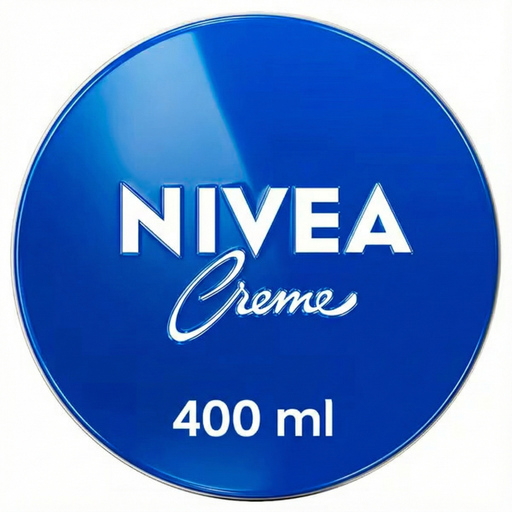
Why it suits this profile: The large pack is designed for the face, body and hands. That makes this cream a practical choice if you want one versatile product.
The 400 ml size is clearly stated. Bear in mind that it contains fragrance and fragrance allergens if you have sensitive skin.
400 ml, panthenol in the ingredients list, and suitable for the face and body according to the product information.
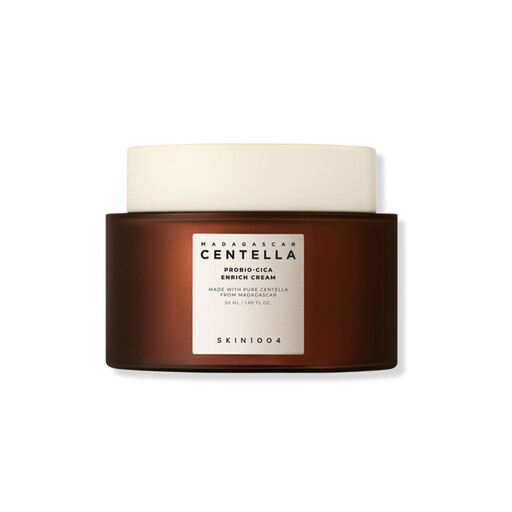
Why it suits this profile: Its concentrated, silky texture is designed for people who want more than hydration, with comfort and skin-barrier support also in mind.
The product information lists ceramide NP, centella and seed oils. Check the full list if you’re sensitive to botanical ingredients.
50 ml, vegan according to the product information, and dermatologically tested according to the listed product specifications.
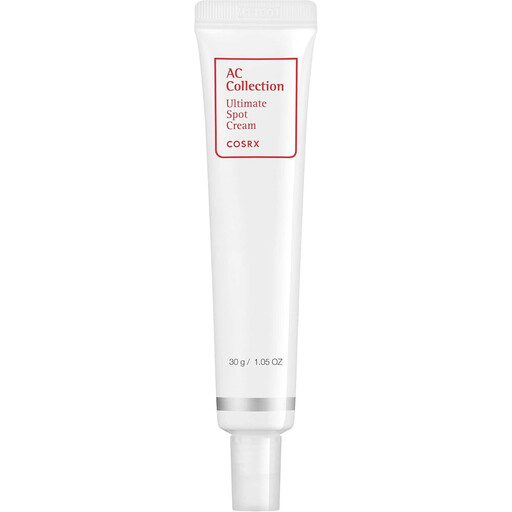
Why it suits this profile: This acne cream is designed for targeted application, for example in the evening on visible blemishes.
Its use is clearly defined: apply to affected areas, not as an all-over face moisturiser.
30 g, with zinc oxide, calamine and a centella complex according to the ingredients list.
Torriden DIVE-IN, Hyaluronic Acid Intensive Cream and Beauty of Joseon Red Bean Hydrating Gel Cream are other options if you’re specifically looking for a hyaluronic acid cream, a richer formula or a lightweight Korean face cream.
We’ve put together a complete, up-to-date list of products that meet these strict selection criteria and comply with current European safety regulations.
It depends on your skin and the formula, but many products are designed for use in the morning and evening. Apply the cream to cleansed skin. During the day, sunscreen should be the final step if your product or routine calls for it.
Follow the shelf-life and after-opening information on the packaging. Store the cream in a cool, dry place away from direct sunlight, and close the packaging after use. If its smell, colour or texture changes, stop using the product.
Choose a cream for sensitive skin with a limited ingredients list, and avoid ingredients you already know you react to. A fragrance-free formula can be a practical first choice, but “hypoallergenic” is no personal guarantee. Test a new product on a small area of skin first and stop using it if irritation occurs.
