
Vandaag of morgen in huis

Kwaliteit gegarandeerd

Welkomstaanbiedingen ontgrendelen: GRATIS bezorging | Tot 80% korting | Gratis 30 dagen JoyPlus-proefperiode
Download de app
Choosing a face cream may seem straightforward, but there are major differences in texture, ingredients and use. A rich cream can feel pleasant on dry skin, but heavy on oily skin. A gel cream may be comfortable during the day, while in winter you may need more of a protective layer.
Marketing copy does not always make the choice any clearer. Claims about glow, skin barrier repair or anti-ageing are no guarantee that a product will suit your skin. So start by looking at verifiable information: the ingredients list, texture, size and directions for use.
A Korean face cream may receive lots of positive attention, but skin types vary. Ingredients such as niacinamide, retinol, fragrance or essential oils may suit one person and be less suitable for another. Always check the full ingredients list, especially if your skin reacts easily.
Hydration does not automatically mean that a product needs to feel heavy or oily. Humectants such as glycerine and hyaluronic acid help attract moisture. Oils, butters, waxes and silicones can provide the skin with more of a protective layer and help limit moisture loss. A gel cream often contains a lighter combination than a classic balm or rich cream.
According to a brand’s own research or the product description, certain formulas may help the skin feel more comfortable, look more even or support the skin barrier. These are not personal guarantees. Extra care is advisable with retinol: introduce it gradually and follow the instructions on the packaging. Stop if you experience clear irritation.
The right choice can vary by season. During a dry winter month, a face cream for dry skin may be more suitable, while a lightweight gel cream may feel more comfortable during a warm, humid period.
For everyday hydration, glycerine, betaine, panthenol and various forms of hyaluronic acid are common ingredients. If you want to support the skin barrier, look for ceramides, cholesterol, fatty acids, lecithin and squalane.
Centella asiatica, heartleaf and guaiazulene are often associated with a soothing skin feel in product descriptions. According to information provided by the relevant brands, these ingredients support a calmer-looking complexion; treat this as product information rather than a medical claim.
An anti-ageing cream containing retinol is a different category. The Retinol 0.1 Cream lists 0.1% retinol, alongside ingredients including hyaluronic acid and panthenol. Retinol can make the skin more sensitive. Use a sunscreen during the day and do not introduce the cream at the same time as several strong active ingredients.
Compare the amount in millilitres or grams and consider how often you use the product. A 100 ml jar may seem good value, but it is not automatically the right choice if the texture feels too heavy and you therefore use it very little. Check the expiry date, batch information and any period-after-opening symbol on the packaging.
A patch test is advisable when trying a new formula, especially with a cream for sensitive skin. Apply a small amount to a limited area of skin first. Stop if you experience redness, itching, swelling or persistent irritation.
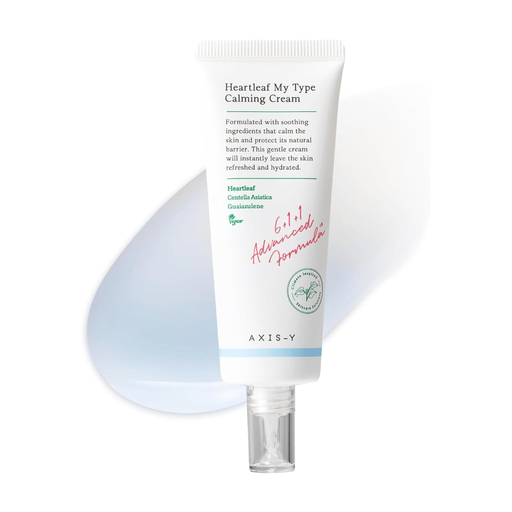
Why it suits this profile: According to the product description, this lightweight cream is designed for combination or oily skin and can be used as a make-up base. That makes it practical for a simple morning routine.
The silky texture helps avoid the pitfall of using a cream that is too heavy for oilier skin. However, check that the formula suits your skin’s reactions.
60 ml; vegan and cruelty-free according to the product information; suitable as a lightweight moisturiser and make-up base.

Why it suits this profile: According to the ingredients list, this formula contains several ceramides, cholesterol, panthenol, squalane and various forms of hyaluronic acid. It is a good fit for anyone who wants to compare ingredients in detail.
The full ingredients list makes it easier to assess the marketing claims. The product information also recommends a patch test and use after serum or ampoule.
80 ml; ceramides and hyaluronic acid listed among the ingredients; product information states that it is hypoallergenic and non-comedogenic.
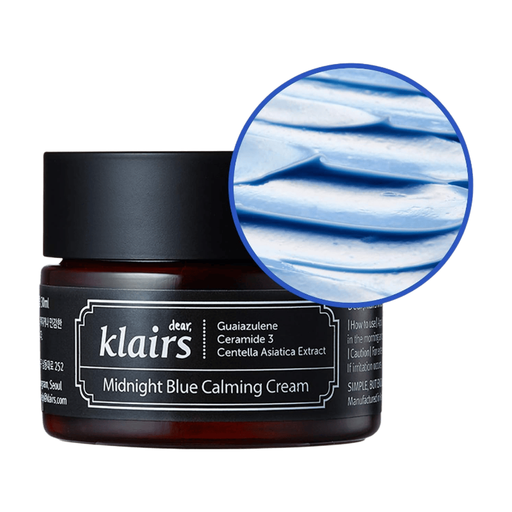
Why it suits this profile: According to the product information, this cream is intended for targeted use as part of an evening routine and contains ingredients including centella asiatica, ceramide NP and guaiazulene.
Targeted application means you do not have to use a heavier cream all over your face when only certain areas need extra comfort.
30 g; fragrance-free according to the product information; suitable as the final step in your evening routine.
We have put together a complete, up-to-date list of products that fully meet these strict selection criteria and the applicable European safety regulations.
For most routines, once in the morning and once in the evening is practical. Apply the cream after cleansing and, if applicable, after a serum. During the day, also use a sunscreen. Start with a small amount; too much cream can feel sticky or pill under make-up.
You can, as long as the texture and ingredients suit your skin. A lightweight gel cream is often convenient during the day. A richer face cream for dry skin may feel more comfortable at night. If you use retinol, follow the product instructions and gradually build up the frequency.
Check the expiry date and period-after-opening symbol on the packaging. If the smell, colour or texture changes, or your skin suddenly reacts differently, stop using the product. Keep the jar or tube closed, in a cool place and out of direct sunlight.
