
Vandaag of morgen in huis

Kwaliteit gegarandeerd

Welkomstaanbiedingen ontgrendelen: GRATIS bezorging | Tot 80% korting | Gratis 30 dagen JoyPlus-proefperiode
Download de app
Buying a new face cream sounds simple, until you have to choose between a day cream, night cream, gel, lotion or moisturising face cream with SPF. Marketing copy often makes big promises, but the right choice mainly depends on your skin type, preferred texture and the ingredients you enjoy using every day.
A rich cream can feel comfortable on dry skin, but heavy on oily or combination skin. Conversely, a lightweight gel may not provide enough comfort when your skin feels tight. So don’t just look for terms such as “intensive” or “light”; consider the product format too:
A face cream with SPF can be convenient for everyday use, but SPF 15 or SPF 30 does not automatically mean you won’t need separate sun protection. The level of protection also depends on how much you apply and how often you reapply it. For prolonged exposure to the sun, a separate sun protection product with a suitable level of protection is a sensible addition.
Brands sometimes use test results or user percentages in their marketing. According to Olay’s own research, for example, certain participants noticed smoother-looking skin after one or more days when using specific products. Results like these are not guaranteed for every user. Compare the ingredients list, directions for use and skin type information with your own needs.
When choosing a face cream for dry skin, it’s worth looking for humectants such as glycerine and hyaluronic acid. A formula containing shea butter, oils or other soothing ingredients can also provide a richer feel on the skin.
For face cream for oily skin or combination skin, an oil-free gel, lotion or mattifying formula is often a good fit. However, remember that “oil-free” does not mean “without nourishing ingredients”. A lightweight formula can still provide hydration.
For face cream for sensitive skin, it’s generally best to choose a product with a short, clear ingredients list. Fragrance-free and pH-neutral formulas may be practical preferences, but these features alone do not indicate how your skin will react. Test a new product on a small area of skin first and stop using it if irritation occurs.
A day cream is often lighter and may contain SPF. A night cream usually focuses on a more comfortable, nourishing feel without a UV filter. According to the product information, NIVEA Soothing Night Cream is fragrance-free and contains glycerine, shea butter, panthenol and liquorice extract, among other ingredients. NIVEA Soothing Day Cream has SPF 15 and is also fragrance-free and pH-neutral according to the listed specifications.
When choosing an anti-ageing face cream, pay particular attention to the active ingredient, how often it should be used and any warnings. A product containing retinol is not automatically suitable for daily use on every skin type.
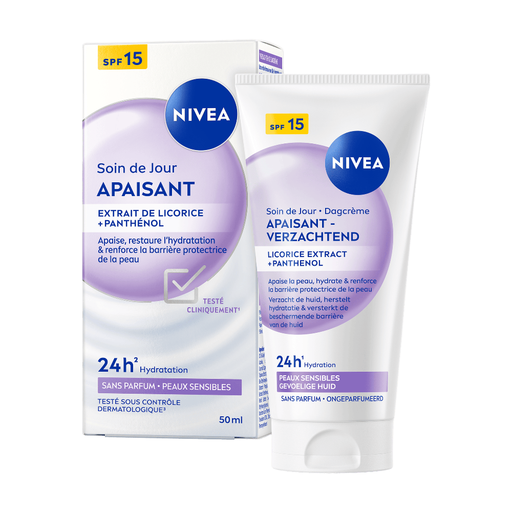
Why it suits this profile: A straightforward day cream for anyone looking for daily hydration and a fragrance-free formula without having to combine several skincare products.
The product information states that it has SPF 15 and is fragrance-free and pH-neutral. This makes its key features easy to check.
50 ml, with glycerine and panthenol in the formula, plus SPF 15 for everyday use.
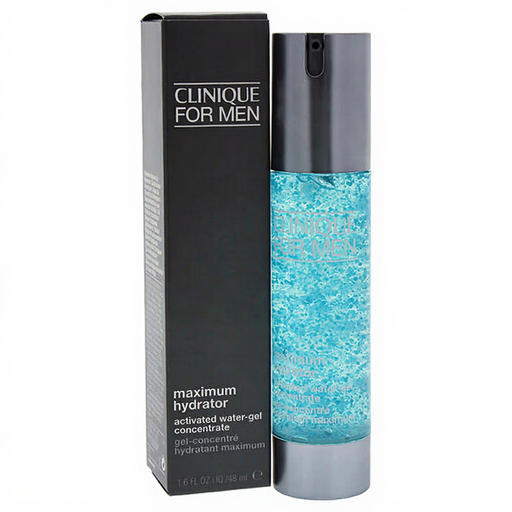
Why it suits this profile: A practical choice if you’re looking for a lightweight, oil-free gel that can be used both in the morning and evening.
The listed specifications mention a water gel texture, oil-free formula and fragrance-free composition. This is useful when a heavy or shiny cream is not what you want.
48 ml, pump bottle, oil-free and, according to the product details, suitable for all skin types.
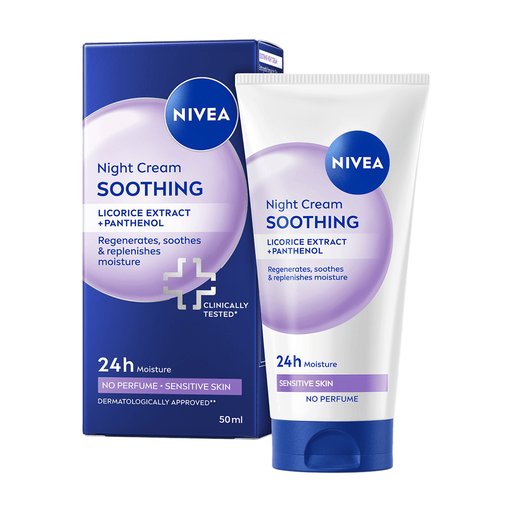
Why it suits this profile: Designed for your evening routine when you want to use a fragrance-free night cream with a richer, more nourishing feel.
According to the product description, the formula is fragrance-free and pH-neutral. This means you know in advance that it contains neither SPF nor fragrance intended for daytime use.
50 ml, with glycerine, shea butter and panthenol; developed as night care for sensitive skin.
We’ve put together a complete, up-to-date list of products that fully meet these strict selection criteria and the applicable European safety regulations.
It depends on the formula and your routine. You’ll usually apply a day cream in the morning and a night cream in the evening. According to the directions for use, some hydrating gels are suitable for both times of day. Apply a small, even amount and see how your skin feels.
Check the expiry date and the open-jar symbol indicating the period after opening on the packaging. Store the cream in a cool, dry place away from direct sunlight. A change in smell, colour or texture may be a reason to stop using the product.
No. The price does not only reflect the formula; it can also be influenced by the brand, packaging and distribution. Compare the contents, texture, SPF, fragrance information and ingredients instead. A simple fragrance-free face cream may suit your routine better than a product with more claims.
