
Vandaag of morgen in huis

Kwaliteit gegarandeerd

Welkomstaanbiedingen ontgrendelen: GRATIS bezorging | Tot 80% korting | Gratis 30 dagen JoyPlus-proefperiode
Download de app
Buying a new face cream seems simple, until you have to choose between a moisturising face cream, day cream, night cream, retinol cream or barrier-repair cream. Packaging often promises firmer, younger-looking or radiant skin. However, a striking claim does not always tell you whether the formula suits your skin type or routine.
With this guide, you can compare face creams based on verifiable information: skin type, ingredients, time of use, size and daytime protection.
Hyaluronic acid attracts moisture, but a cream containing hyaluronic acid is not automatically suitable for very dry skin. Also look for ingredients that help retain moisture, such as glycerine, oils, butters or skin-identical lipids. A cream for dry skin usually has a richer texture than a lightweight gel cream.
The concentration is also important with retinol. A retinol cream requires a gradual introduction and protection from the sun. Using several active ingredients at the same time can increase the risk of irritation.
A face cream with SPF can be convenient for everyday use, but check the protection level and instructions. During prolonged sun exposure, applying a generous amount and reapplying regularly are important. According to Eucerin’s product information, even a high SPF does not provide complete protection against all types of solar radiation.
A day cream with SPF 30 is therefore not the same as a separate sun cream for a day at the beach, a bike ride or a walk in bright sunshine.
A product may be described as suitable for all skin types on the packaging, while you personally may react less well to fragrance, essential oils or certain plant extracts. A cream for sensitive skin is not necessarily hypoallergenic. Always check the current ingredients list on the packaging.
If you have sensitive or blemish-prone skin, a patch test is advisable. Stop using the product if redness, itching or a burning sensation persists.
The right texture plays a part in whether you continue using the cream every day. A very rich cream can feel comfortable in winter, but may feel too heavy under make-up or on oilier skin.
A moisturising face cream often contains glycerine, hyaluronic acid or sodium hyaluronate. Ceramides, panthenol and certain fats are suitable for a routine focused on the skin barrier. Centella asiatica is often mentioned in product information for its soothing care; according to a brand’s own research, such a claim should not automatically be presented as an established effect.
A face cream for anti-ageing may contain retinol, bakuchiol, niacinamide or adenosine. Check the concentration, frequency of use and warnings. A product claim about wrinkles or firmness describes the brand’s positioning and does not guarantee results for every user.
A day cream is usually formulated for use in the morning and may contain SPF. A night cream is often richer and intended as the final step in your evening routine. Also consider:
A 100 ml jar may seem good value, but it is only practical if the texture and formula suit your everyday use.
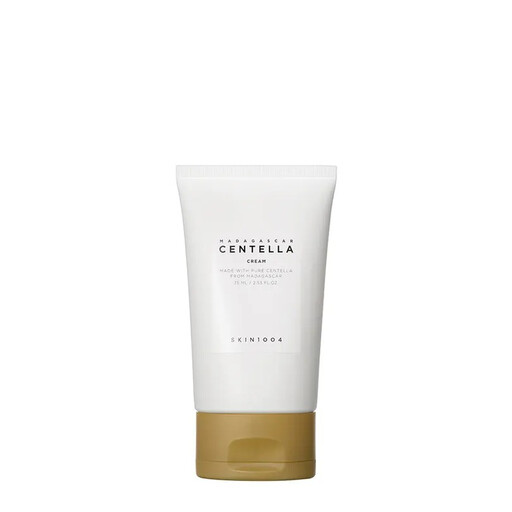
Why it suits this profile: This lightweight cream is intended for daily use in the morning and evening and contains centella asiatica, glycerine, panthenol, niacinamide and ceramide NP, among other ingredients.
The product information clearly states the skin types and intended use. However, check the listed essential oils and possible allergens before ordering.
75 ml, vegan according to the product information, with panthenol, niacinamide and ceramide NP.
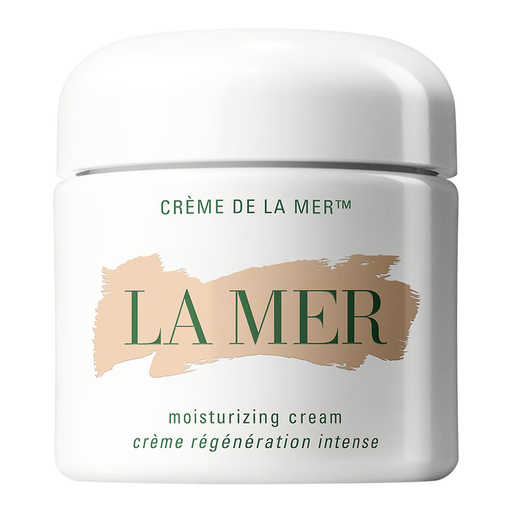
Why it suits this profile: The rich texture and 100 ml size are a good match for anyone looking for a nourishing cream for dry skin and willing to follow the usage instructions carefully.
The product page provides the full ingredients list and warns against contact with the eyes. According to the information provided, the formula is not hypoallergenic.
Rich cream, 100 ml, containing glycerine, mineral oil and petrolatum according to the listed ingredients.

Why it suits this profile: The formula is designed for everyday use and contains panthenol, three ceramides, glycerine, squalane and hyaluronic acid.
The product information describes a formula for sensitive skin, while also warning you to avoid contact with the eyes and stop using it if irritation occurs.
100 ml, with Ceramide NP, Ceramide AP, Ceramide EOP, panthenol and ectoin according to the listed ingredients.
We have compiled a complete, up-to-date list of products that fully meet these strict selection criteria and the applicable European safety regulations.
It depends on the product and your skin type. You can often use a basic moisturising face cream in the morning and evening, as directed on the label. A retinol cream is generally introduced more gradually, for example on a few evenings a week. Always follow the instructions on the packaging.
Check the expiry date, batch number and period after opening. For example, La Mer’s product information states 24 months after opening, while Avène DERMABSOLU Intensive Night Cream is listed as 12 months. The current packaging takes precedence, as information may vary by batch or market.
No. The price does not only reflect the formula; it may also be influenced by brand positioning, packaging and size. Compare the price per millilitre, ingredients, texture and intended use instead. An affordable day cream with SPF may be more practical for everyday use, while a rich cream may be a better match for dry skin in the evening.
