
Vandaag of morgen in huis

Kwaliteit gegarandeerd

Welkomstaanbiedingen ontgrendelen: GRATIS bezorging | Tot 80% korting | Gratis 30 dagen JoyPlus-proefperiode
Download de app
Buying a new face cream seems simple, until you have to choose between a gel, rich cream, moisturiser, Korean skincare cream or a product making claims about the skin barrier and anti-ageing. A high price or striking packaging says little about whether a product is suitable for your skin.
Pay particular attention to these three common pitfalls:
A moisturising face cream usually has two functions: attracting moisture and preventing it from evaporating too quickly. The ingredients and the ratio of water, humectants, oils and occlusive agents determine how a formula feels on the skin.
Look for glycerine, hyaluronic acid, sodium hyaluronate, shea butter, squalane or plant oils. A hyaluronic acid cream can help retain moisture on the surface of the skin. A cream for dry skin also often contains richer emollients that leave a comfortable protective layer.
Dry skin does not always need a very heavy texture. A gel-cream with several moisture-binding ingredients may feel more comfortable during the day, while a richer cream may be suitable as a night-time treatment.
Look for a short, easy-to-understand ingredients list and be cautious with fragrance, essential oils and known allergens. A face cream for sensitive skin is not automatically suitable for everyone. Test a new product on a small area of skin first, and stop using it if you experience persistent redness, itching, swelling or a burning sensation.
Brands may describe their formula as soothing or suitable for sensitive skin. Treat this as information from the product description, not as a guaranteed personal result.
A lightweight gel texture is usually easy to spread and feels less heavy. Look for the term non-comedogenic, but remember that this is a product claim and does not guarantee that every skin type will react in the same way. For example, IUNIK and Clinique describe a lightweight formula; Clinique also states that Moisture Surge is alcohol-free, fragrance-free and non-comedogenic.
It is better to use a small amount and add more product later if needed. Too much cream can feel uncomfortable, particularly under make-up.
When choosing an anti-ageing face cream, it is sensible to look beyond the name. Ingredients such as hyaluronic acid, niacinamide, peptides and antioxidants are found in a range of formulas. According to the product description, L’Oréal Revitalift Filler is positioned for mature skin and contains hyaluronic acid. However, visible results vary from person to person and do not depend on just one ingredient.
For a skin-barrier cream, relevant ingredients to look for on the label include ceramides, cholesterol, fatty acids, panthenol and squalane. According to the listed ingredients, The Ceramide Skin Barrier Moisturizer contains several ceramides, cholesterol, squalane and hyaluronic acid.
A ceramide cream may suit dry or sensitive skin, but the overall formula determines how it feels on the skin. Also check whether it contains fragrance and where any potentially irritating ingredient appears in the list.
Follow the product instructions. Usually, you apply the cream after cleansing and, if applicable, after toner, serum or ampoule. During the day, suitable sun protection is part of a complete routine; a face cream does not replace it.
Compare millilitres rather than just the price of the jar. A 100 ml pack may appear better value, but using a small amount each time can reduce the difference. Check the expiry date, batch information and period after opening on the packaging. If no clear information is visible, ask about it before buying.
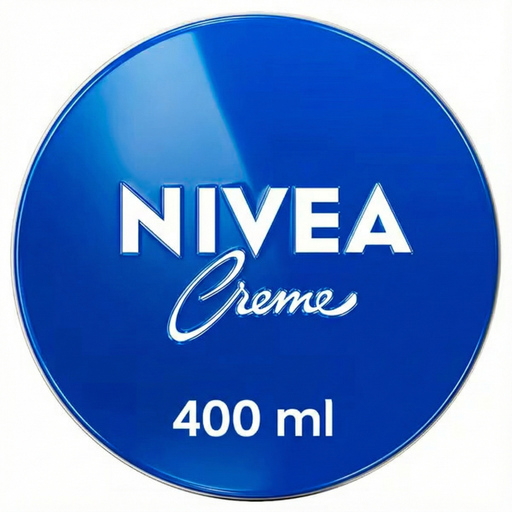
Why it suits this profile: The large 400 ml pack is designed for the face, body and hands. This can be useful if you want to use one versatile cream.
The size and areas of application are clearly stated. However, note the presence of fragrance, limonene, geraniol and other fragrance allergens in the ingredients list.
400 ml; contains glycerine and panthenol; suitable for the face and body according to the product information.
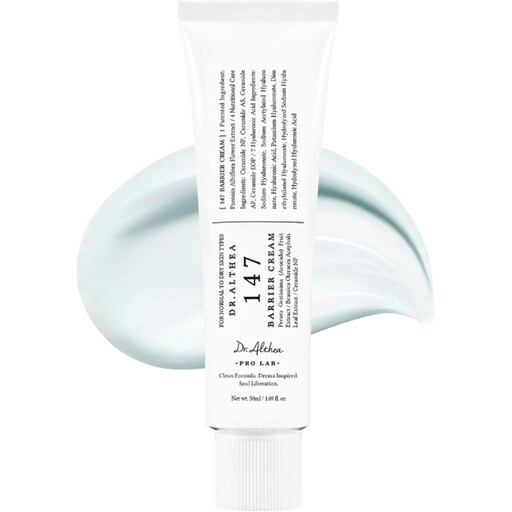
Why it suits this profile: This Korean skincare cream combines richer care with ingredients suited to a routine focused on hydration and the skin barrier.
The product description mentions seven types of hyaluronic acid and ceramides. Check the current packaging if you want to avoid fragrance or specific allergens.
Ceramides; several forms of hyaluronic acid; guaiazulene and vitamin E are mentioned in the product information.

Why it suits this profile: The ingredients list is focused on a skin-barrier cream, making this a logical choice for an extensive routine with serum and moisturiser.
The formula lists ceramides, cholesterol, squalane and various forms of hyaluronic acid. This means you can base your choice on verifiable ingredients.
80 ml; ceramide NP, NS, AP, AS and EOP; contains panthenol and sodium hyaluronate.
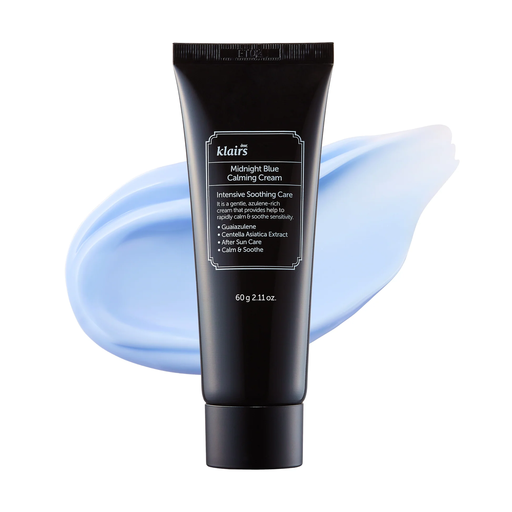
Why it suits this profile: The fragrance-free, gel-like formula described is suitable for anyone looking for a lightweight, non-greasy night cream.
The product information states that it contains no fragrance and mentions centella, ceramide NP and guaiazulene. If you have reactive skin, still carry out a patch test.
60 g; fragrance-free formula according to the product description; gel texture with centella and ceramide NP.
We have put together a complete, up-to-date list of products that fully meet these strict selection criteria and the applicable European safety regulations.
This depends on the product instructions and how your skin feels. Many moisturisers are designed for use in the morning and evening. Start with a small amount on cleansed skin. During the day, also use separate sun protection.
Check the expiry date and the period-after-opening symbol on the packaging. Keep the cream tightly closed in a cool, dry place, away from direct sunlight. Has the scent, colour or texture changed? Do not use the product and check the safety information.
The price depends on the brand, size, ingredients and packaging. Compare the price per millilitre and consider whether you need a gel, gel-cream or rich formula. A more expensive anti-ageing face cream is not automatically more suitable; the ingredients list and your skin type are more important.
