
Vandaag of morgen in huis

Kwaliteit gegarandeerd

Welkomstaanbiedingen ontgrendelen: GRATIS bezorging | Tot 80% korting | Gratis 30 dagen JoyPlus-proefperiode
Download de app
Buying a new face cream seems simple, until you have to choose between a moisturising face cream, Korean face cream, barrier cream or a cream containing vitamin C. Marketing copy often promises smoother, more radiant or firmer-looking skin, but not every formula suits every skin type or routine.
That is why the right choice does not start with an eye-catching promise, but with the texture, ingredients, skin concerns and usage instructions.
Hyaluronic acid attracts moisture, but on its own it does not tell you how much hydration a product provides or how comfortable it feels on the skin. A cream containing hyaluronic acid works well for many people, but dry skin often also needs a sealing or nourishing component, such as shea butter, squalane or oils.
Always check the full ingredients list. A formula containing humectants, emollients and occlusive ingredients generally provides more comprehensive care than a product that mainly highlights one popular ingredient.
A face cream for all skin types can be practical, but your skin may still react differently from that of the average user. A rich cream may feel pleasant on dry skin but heavy on oily or combination skin. A lightweight gel cream may be comfortable during the day but not provide enough comfort for skin that feels tight.
So look at the texture: gel, gel cream, lotion or rich cream. Also use a small amount and test a new product on a limited area of skin first.
Words such as “anti-ageing”, “soothing” and “barrier repair” often describe how a product is positioned. According to a brand’s own research, certain ingredients may contribute to the stated product experience, but such claims are not a guarantee for every skin type.
When choosing an anti-ageing face cream, for example, you can look for hydrating ingredients, niacinamide, adenosine or vitamin C derivatives. Do not expect a medical effect from these ingredients. If redness, itching or a burning sensation persists, stop using the product and seek professional advice.
A fragrance-free formula is not automatically suitable for everyone, but it can be a practical choice if you want to avoid perfume. Medicube Deep Vita C Capsule Cream, for example, lists fragrance among its ingredients. NIVEA Moisturizing Cream also contains fragrance and fragrance allergens such as limonene and geraniol.
If you have known allergies, always check the packaging. The ingredients listed on the product page and packaging are the definitive reference; formulations may change.
Do not compare millilitres alone. Also check:
During the day, an ordinary face cream does not replace sunscreen. A day cream with SPF serves a different purpose and must be applied according to the instructions.

Why it suits this profile: A straightforward everyday cream for anyone mainly looking for hydrating care without a complicated routine.
The product description mentions five types of hyaluronic acid and a gel-cream texture, so you do not have to rely on just one ingredient.
100 ml; contains glycerine, several forms of hyaluronic acid, panthenol, shea butter and ceramide NP.
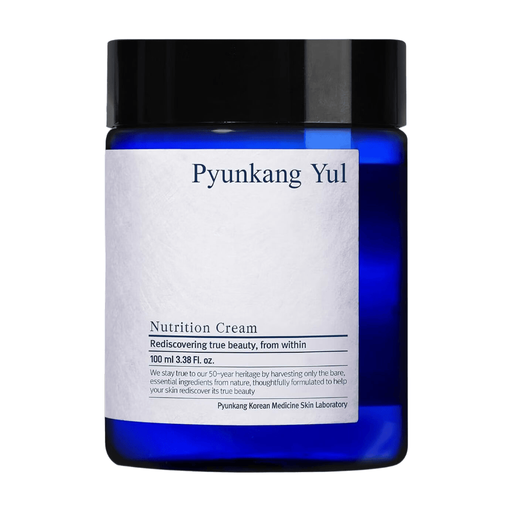
Why it suits this profile: A rich Korean face cream for anyone mainly looking for comfort and nourishment for dry or mature skin.
The product information mentions a fragrance-free formula and describes a nourishing texture that, according to the brand, absorbs quickly.
100 ml; contains astragalus root extract, shea butter, jojoba oil and sodium hyaluronate.
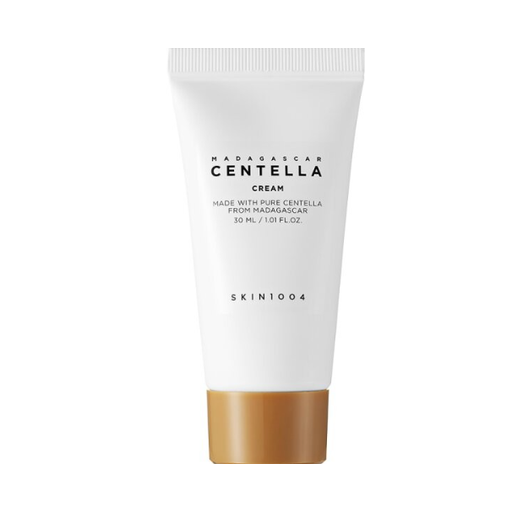
Why it suits this profile: A lightweight Centella Asiatica cream for normal or sensitive skin, and for use under make-up or sunscreen.
The product description specifies a lightweight texture with panthenol and TECA, rather than making only a general claim for sensitive skin.
30 ml; contains Centella Asiatica, panthenol and TECA; according to the product description, it absorbs quickly.
Apply the cream after cleansing and, if needed, after a toner, serum or ampoule. Use a small amount on slightly damp skin and spread it evenly over your face and neck. A rich face cream for dry skin is often better suited to evening use, while a lightweight gel cream may feel more comfortable during the day.
Do not introduce several new products at the same time. This makes it easier to assess which product feels good and which one may be causing irritation. Stop using the product if you experience a burning sensation, swelling, itching or obvious redness, and check the safety information on the packaging.
We have put together a complete, up-to-date list of products that fully meet these strict selection criteria and the applicable European safety regulations.
Most moisturisers can be used once or twice a day according to the product instructions. If you have sensitive skin, start with one application a day and increase this only if your skin remains comfortable.
Check the expiry date and the period-after-opening symbol on the packaging. Store the cream in a cool, dry place away from direct sunlight. Close a jar or tube securely after use. If the smell, colour or texture changes, stop using the product.
Look for a fragrance-free or gently formulated cream containing glycerine, panthenol, ceramides and hyaluronic acid. A moisturising cream with a rich texture can feel pleasant on dry skin, while a lightweight formula may be a better choice if you quickly experience a heavy or sticky feeling. Always check the ingredients and, if in doubt, carry out a patch test first.
