
Vandaag of morgen in huis

Kwaliteit gegarandeerd

Welkomstaanbiedingen ontgrendelen: GRATIS bezorging | Tot 80% korting | Gratis 30 dagen JoyPlus-proefperiode
Download de app
Buying a face cream seems simple, but the wide range of options can make choosing difficult. Are you looking for a hydrating face cream, a day cream to wear under make-up or an anti-ageing face cream for mature skin? It is worth looking beyond words such as “intensive”, “lifting” or “radiant”.
The right choice mainly depends on your skin type, the ingredients, the texture and when you want to use the cream. Below, you’ll find out how to assess marketing claims, which product information matters and which face cream may suit different user profiles.
A product containing lots of active ingredients may sound appealing, but more is not always more practical. A cream containing several acids, retinol, vitamin C or fragrance may be less comfortable for some skin types. Always check the full ingredients list on the packaging.
Do you have sensitive skin? Pay extra attention to fragrance, essential oils and known allergens. A product may be described as gentle or hypoallergenic, but you should also check whether its ingredients suit your skin. If you experience redness, itching, swelling or a burning sensation, stop using it and follow the safety instructions on the label.
Brands may communicate the properties of their products, but a claim is not a guarantee for every user. According to a brand’s own research, certain ingredients may, for example, help create a smoother-looking appearance or improve how the skin feels. This does not mean everyone will experience the same effect.
Instead, look for verifiable information, such as the presence of hyaluronic acid, glycerine, niacinamide, ceramides, peptides or bakuchiol. Each of these ingredients has a different function within the formula. Above all, expect a cream to care for and hydrate your skin; cosmetics are not a substitute for medical advice.
A rich cream for dry skin can feel pleasant in winter, but heavy on combination or oily skin. A lightweight gel cream may feel comfortable during the day, but may not feel nourishing enough for very dry skin.
Look for terms such as gel cream, lightweight lotion, rich cream and night cream. Choose packaging that suits the way you use the product, too. A pump bottle generally limits contact with the product, while with a jar you are more likely to put your fingers into the cream.
The order of ingredients on a list indicates which substances appear relatively early in the formula, but it does not tell you everything about the final effect. A stated concentration, such as 2.5% tranexamic acid or 0.1% retinol, provides more context than a general term such as “advanced formula”.
Also pay attention to the directions for use. Some formulas are intended for evening use, while others can be applied in the morning and evening. If you have sensitive skin, test a new product on a small area first.
A day cream is often lighter and may be suitable as a base under make-up. However, check whether it contains a sun protection factor; without a stated SPF, an ordinary face cream is not a substitute for sunscreen.
A night cream is usually richer and designed to provide comfort during your evening routine. Apply the cream after cleansing and, if required, after a serum. A pea-sized amount is often a practical starting point, but follow the brand’s instructions.
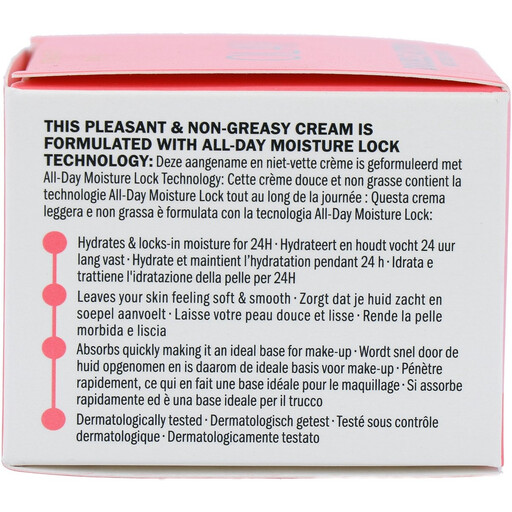
Why it suits this profile: The lightweight formula is intended for normal to dry skin and, according to the product description, can also be used as a base under make-up.
The product’s function is clearly described: day cream and primer. However, check the fragrance and safety information if your skin is prone to reactions.
50 ml; lightweight texture; intended for normal to dry skin; suitable as a make-up base.
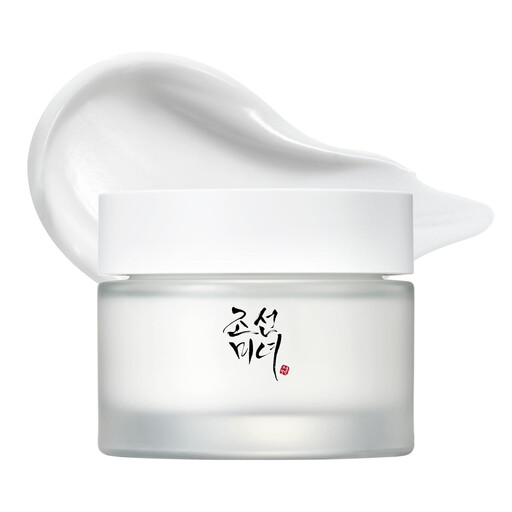
Why it suits this profile: According to the description, this Korean face cream combines rice and ginseng water with niacinamide, panthenol and sodium hyaluronate for rich yet lightweight-feeling care.
The product information lists the key ingredients and recommended times of use, allowing you to compare the formula with your own skin needs.
50 ml; niacinamide; sodium hyaluronate; suitable for morning and evening use according to the product description.

Why it suits this profile: If you are mainly looking for a hyaluronic acid cream for dry or normal skin, this formula contains five types of hyaluronic acid and several nourishing oils.
Its function is clearly focused on hydration, without making any medical claims. If you have allergies, always check the current packaging.
100 ml; five types of hyaluronic acid; argan and apricot oil; gel cream texture according to the product description.
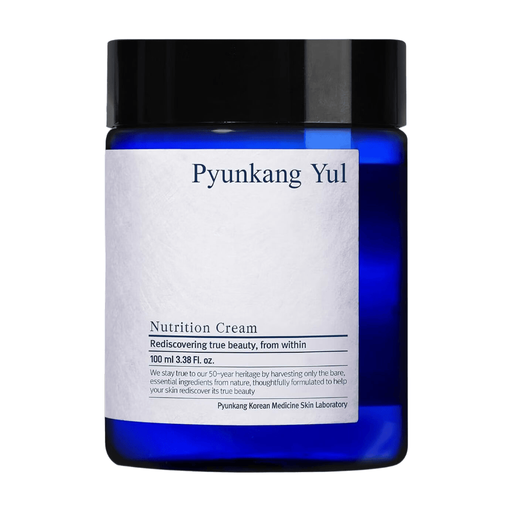
Why it suits this profile: According to the product description, this rich Korean face cream contains astragalus root extract, shea butter, jojoba oil and sodium hyaluronate. The fragrance-free formula is intended as the final step in your routine.
The product description clearly states the texture, the absence of fragrance and the recommended use. This makes it easier to compare with the needs of sensitive or dry skin.
100 ml; fragrance-free formula according to the product details; shea butter, jojoba oil and sodium hyaluronate.
We have put together a complete, up-to-date list of products that fully meet these strict selection criteria and the applicable European safety regulations.
This depends on the formula and your skin. Many face moisturisers are intended for morning and evening use, while some active products are recommended for evening use only. Cleanse your skin first, then apply a suitable amount. During the day, use a separate sunscreen product if the cream does not state an SPF.
The shelf life is stated on the packaging. Look for an expiry date or the open-jar symbol, for example indicating 6 or 12 months after opening. Store the cream in a cool, dry place away from direct sunlight. If the smell, colour or texture changes noticeably, stop using the product.
A cream for dry skin often contains humectants such as glycerine and hyaluronic acid, combined with soothing ingredients such as shea butter, oils or ceramides. Choose a richer texture if your skin feels tight. If you have sensitive skin, it is worth assessing fragrance and essential oils particularly carefully.
