
Vandaag of morgen in huis

Kwaliteit gegarandeerd

Welkomstaanbiedingen ontgrendelen: GRATIS bezorging | Tot 80% korting | Gratis 30 dagen JoyPlus-proefperiode
Download de app
Buying a new face cream seems simple, until you have to choose between a gel cream, a rich cream, a Korean face cream or a formula with ceramides. Marketing copy often promises long-lasting hydration, radiant skin or a stronger skin barrier. But an eye-catching claim does not always tell you whether a product is right for your skin.
The most common disappointing purchases come down to three pitfalls:
A moisturising face cream should feel comfortable and shouldn’t leave your skin sticky or tight for long. Here’s a practical guide:
Hyaluronic acid is often used in hyaluronic acid creams to bind moisture. It can feel comfortable on dehydrated skin, but a cream containing hyaluronic acid alone may not be rich enough for dry skin.
Ceramides are found in creams designed to support the skin barrier. They’re often combined with lipid-rich ingredients and humectants. For example, The Ceramide Skin Barrier Moisturizer lists several ceramides, cholesterol, panthenol and different forms of hyaluronic acid in its ingredients.
Niacinamide is found in niacinamide creams, including products from Dr. Althea, Beauty of Joseon and Numbuzin. Check the full formula if your skin reacts easily.
Retinol requires extra care. According to the product information, Retinol 0.1 Cream contains 0.1% retinol and recommends building up gradually, starting with a few applications a week. Use a sun protection product during the day and follow the warnings on the packaging. Stop using it if irritation occurs.
Always check:
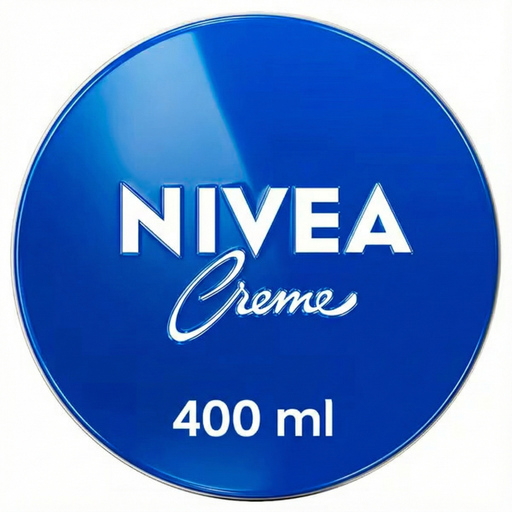
Why it suits this profile: The large pack is designed for the face and body, making it a good fit for a simple daily routine with one versatile cream.
The size and areas of use are clearly stated. If you have sensitive skin, bear in mind that it contains perfume and fragrance allergens.
400 ml; designed for the face and body; contains glycerine and panthenol according to the product information.

Why it suits this profile: The gel-cream texture is a good choice if you’re looking for a fresh-feeling face moisturiser that can also be worn under make-up.
The texture and recommended times of use are clearly described. The “up to 100 hours” statement is a brand claim, so focus on whether the gel texture suits your skin.
30 ml; gel-based; according to the product information, free from alcohol, perfume, parabens and phthalates.

Why it suits this profile: This Korean face cream is aimed at people who want to tailor their routine with a skin barrier cream and take a close look at the ingredients list.
The formula lists several ceramides, cholesterol, panthenol and hyaluronic acid. This makes it easy to check the ingredients, rather than relying on a single marketing term.
80 ml; contains Ceramide NP, NS, AP, AS and EOP; the product information describes it as non-comedogenic.

Why it suits this profile: The lightweight gel texture is designed to leave a fresh finish and may suit people with oily or combination skin.
The product description highlights its lightweight gel texture and use for oily skin. Don’t expect the feel of a rich cream if you’re looking for intensive nourishment.
100 ml; gel cream for the face and neck; according to the product information, designed to hydrate and care for oily skin.
We’ve put together a complete, up-to-date list of products that meet these strict selection criteria and the applicable European safety regulations.
Apply a small amount to a cleansed face. Applying a thick layer won’t make a lightweight formula more effective, and it may cause pilling under make-up. If you like, use a richer cream only at night or on dry areas. Introduce new active ingredients one at a time so you can identify more easily which product your skin doesn’t tolerate well.
Most moisturisers are used once or twice a day, depending on the product instructions and your skin’s needs. Apply the cream after cleansing. During the day, sun protection should be the final step if your skincare routine or the product instructions call for it.
Check the expiry date and period-after-opening symbol on the packaging. Store the jar or tube in a cool, dry place away from direct sunlight. Stop using the cream if its scent, colour or texture changes significantly.
Start with a simple, fragrance-free face cream and check the ingredients list. Test a new product on a small area first. If redness, itching or swelling persists, stop using it and seek medical advice.
