
Vandaag of morgen in huis

Kwaliteit gegarandeerd

Welkomstaanbiedingen ontgrendelen: GRATIS bezorging | Tot 80% korting | Gratis 30 dagen JoyPlus-proefperiode
Download de app
Buying a new face cream seems simple, until you have to choose between a moisturising face cream, a barrier cream, an anti-ageing face cream or a Korean skincare cream. Claims such as “intense hydration”, “skin barrier repair” and “visibly younger-looking skin” sound appealing, but they don’t always tell you enough about the formula or how to use it.
Use this practical guide to check the ingredients, texture, skin type and packaging. That way, you can avoid buying a cream that feels too greasy, doesn’t lock in enough moisture or turns out to be unsuitable for sensitive skin.
A cream containing hyaluronic acid, ceramides or niacinamide may be worth considering, but one ingredient alone doesn’t determine how the product will work on your skin. The concentration, other ingredients and texture all play a part.
A hyaluronic acid cream, for example, is mainly designed to help bind moisture. Dry skin may also need an occlusive ingredient, such as shea butter, squalane or an oil. A ceramide cream may be more suitable if you want to support your skin barrier. So always check the full INCI list, not just the front of the packaging.
A light gel cream may feel comfortable on combination or oily skin, but not provide enough comfort for dry skin. A rich cream may suit dry skin well, but feel heavy under make-up during the day.
A face cream for sensitive skin also calls for extra care. Fragrances, plant extracts and certain preservatives may not suit everyone. A product description may describe a formula as gentle, but check the ingredients yourself and test a small amount on a limited area of skin.
Brands can make claims about their own products, but don’t treat them as proven effects. According to L’Oréal’s own research, the hyaluronic acid in Revitalift Filler Day Cream is intended to hydrate the skin and make fine lines look smoother. That’s not the same as a medical or permanent change.
When choosing an anti-ageing face cream, focus on specific information: whether it contains ingredients such as hyaluronic acid, adenosine or retinoid-like ingredients, how to use it and whether it should be paired with sun protection during the day.
Start with what your skin needs:
A nourishing day cream isn’t automatically suitable as a night cream, and vice versa. Check the stated use, especially if the product contains SPF or active ingredients.
Look for terms such as gel, gel cream, lotion or rich cream. According to the product description, Clinique Moisture Surge 100H has a lightweight gel texture. A formula containing shea butter, beeswax or several oils will generally feel richer.
Think about the rest of your routine, too. Do you use serum, make-up or sun cream? A fast-absorbing moisturiser may be more practical than a highly occlusive cream. A richer formula may feel more comfortable at night or in cold, dry weather.
Compare the sizes: 30 ml, 50 ml, 80 ml and 100 ml aren’t the same, even if the jars look similar. Check the expiry or period-after-opening information on the packaging and store the cream as instructed, usually with the lid firmly closed and out of direct sunlight.
Introduce a new formula carefully. Stop using it if you experience stinging, itching, swelling or noticeable redness. Apply face cream only to intact skin and avoid contact with your eyes.
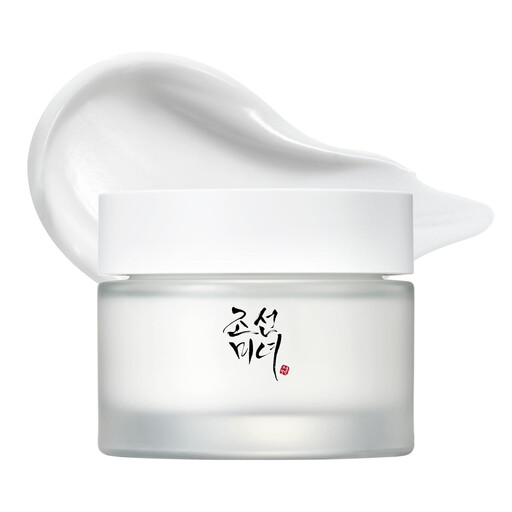
Why it suits this profile: An accessible Korean skincare cream for anyone looking for one everyday cream with a creamy texture that isn’t simply heavy.
The product information lists specific ingredients such as glycerine, niacinamide, panthenol and sodium hyaluronate, rather than relying on a general hydration claim alone.
50 ml, fragrance-free according to the product details, and suitable for use in the morning and evening.
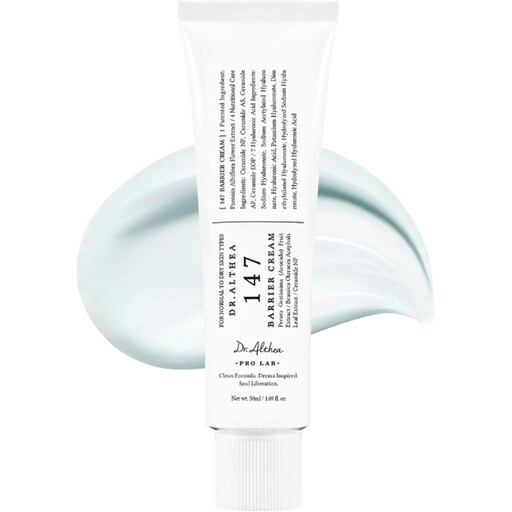
Why it suits this profile: Designed for shoppers looking for a rich barrier cream with several moisture-binding and barrier-supporting ingredients.
The ingredients list names seven forms of hyaluronic acid and ceramides. According to the product description, the blue colour comes from guaiazulene.
50 ml, with ceramides, vitamin E and hyaluronic acid in one formula.
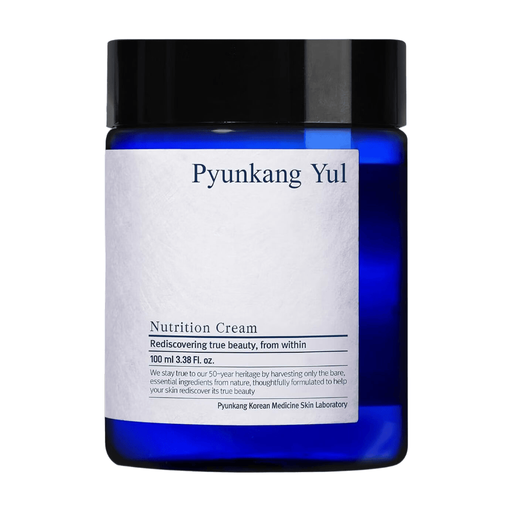
Why it suits this profile: A rich cream for anyone looking for extra nourishment for dry or demanding skin, especially in the evening.
The formula includes shea butter, jojoba and macadamia oils, glycerine and sodium hyaluronate. This makes it clear that it has a nourishing, richer texture.
100 ml, fragrance-free according to the product information, and intended as the final step in your skincare routine.
We’ve put together a complete, up-to-date list of products that meet these strict selection criteria and the applicable European safety regulations.
Look for a combination of humectants and emollient or occlusive ingredients. Glycerine and hyaluronic acid help retain moisture; shea butter, squalane and plant oils can give the formula a richer feel. A cream for dry skin isn’t automatically suitable for sensitive skin, so check for fragrance and plant extracts, too.
It depends on the formula and your routine. Many products are intended for morning and evening use, after cleansing and, if you use one, serum. During the day, apply a sun protection product after your cream if the product instructions recommend it. When trying a new face cream, start with a small amount and adjust how often you use it according to how comfortable your skin feels.
Follow the expiry date and the period-after-opening information on the packaging. Close the jar or bottle after use and store the cream somewhere cool and dry, out of direct sunlight. If its smell, colour or texture changes noticeably, stop using the product.
