
Vandaag of morgen in huis

Kwaliteit gegarandeerd

Welkomstaanbiedingen ontgrendelen: GRATIS bezorging | Tot 80% korting | Gratis 30 dagen JoyPlus-proefperiode
Download de app
A face cream may seem like a simple product, but there are major differences in texture, ingredients and use. A rich cream can feel pleasant on dry skin, yet feel too heavy on oily or combination skin. A lightweight gel cream, on the other hand, can be comfortable during the day but may offer less protection against tightness during a dry winter month.
If you are looking for the best face cream, it is therefore wise not to focus solely on popularity or eye-catching claims. First, consider what your skin needs, which ingredients are relevant to you and whether the product information is clear enough.
Terms such as “lifting”, “glow” or “100-hour hydration” sound appealing. However, they do not automatically mean that a product is suitable for every skin type. According to Clinique’s product description, Moisture Surge 100H provides up to 100 hours of hydration; this is a claim made by the brand and is not a guarantee for every individual user.
So, pay attention to verifiable information too:
A cream containing hyaluronic acid is not automatically suitable as a face cream for dry skin. Humectants such as glycerine and hyaluronic acid help attract moisture, while oils, shea butter, silicones and ceramides can contribute to a more comfortable skin feel and reduced moisture loss.
The complete formula matters more than one popular ingredient. Dry skin may, for example, benefit from a richer cream containing shea butter and jojoba oil. Oily skin often prefers a lightweight gel cream with a less occlusive feel.
A face cream for sensitive skin may have a gentle formulation, but no formula is guaranteed to cause no problems for everyone. Always check the ingredients, particularly if you have previously reacted to fragrance, essential oils, plant extracts or preservatives.
Apply a new product to a small area of skin first. Stop using it if you experience burning, itching, swelling or noticeable redness. Do not apply cream to damaged skin and avoid contact with the eyes.
Choose the texture based on how you use it each day:
Bear in mind that “suitable for all skin types” is broad product positioning. Your own preference for a matte, natural or dewy finish remains the deciding factor.
For a hydrating face cream, glycerine, betaine, panthenol, sodium hyaluronate and various forms of hyaluronic acid are relevant ingredients to look out for.
Ceramides, cholesterol, fatty acids, shea butter and squalane may be useful for supporting the skin barrier. According to the product information, Isntree Hyaluronic Acid Moist Cream combines several forms of hyaluronic acid with ingredients including argan oil, apricot kernel oil, panthenol and ceramide NP.
If you are looking for a face cream for pigmentation, ingredients such as niacinamide, tranexamic acid and liquorice extract are often used in formulas designed to promote a more even-looking complexion. According to the product description, AXIS-Y TXA 2.5% Intensive Brightening Cream contains 2.5% tranexamic acid and niacinamide. This supports the product positioning, but results vary from person to person. During the day, daily use of sunscreen with an appropriate SPF is important.
A fragrance-free face cream can be a sensible choice if you want to avoid fragrance ingredients. Clinique Moisture Surge 100H and Pyunkang Yul Nutrition Cream are described as fragrance-free in the supplied product information.
However, be aware of the difference between “fragrance-free” and “unscented”. Some plant extracts or essential oils may naturally contain aromatic components. According to the ingredients list, Dear, Klairs Rich Moist Soothing Cream contains lemon, lavender, orange, geranium, ylang-ylang and eucalyptus oils, among others. This does not automatically make the cream unsuitable, but it is relevant information if you prefer to avoid fragrance or scented ingredients.
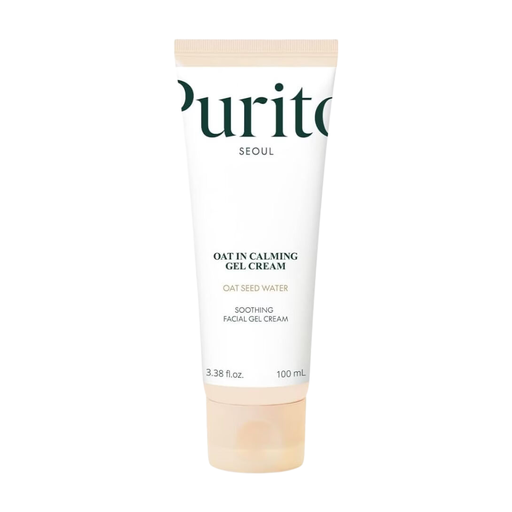
Why it suits this profile: The lightweight gel cream is easy to incorporate into a morning and evening routine and, according to the product information, contains 77% oat seed water, panthenol, squalane and beta-glucan.
The product has been selected based on its texture and ingredients, rather than solely on a general claim for all skin types. According to the description, the formula feels lightweight.
100 ml; gel texture; panthenol, squalane and beta-glucan in the ingredients list.

Why it suits this profile: The gel cream is intended for dry, very dry, combination and oily skin types and, according to the product description, can also be used under make-up or as a short mask.
The product information lists specific properties such as a gel texture, alcohol-free, fragrance-free and non-comedogenic, rather than making only a general promise.
Gel cream; 30 ml; according to the product details, free from alcohol, fragrance, parabens and phthalates.
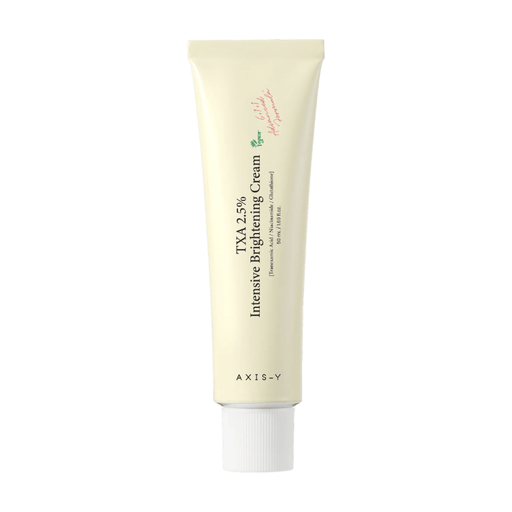
Why it suits this profile: According to the ingredients list, the formula contains 2.5% tranexamic acid, niacinamide, panthenol, ceramide NP and several forms of hyaluronic acid.
The concentration of tranexamic acid is stated, making it easier to compare the formula. The product information recommends using sunscreen with SPF 30 or higher during the day.
50 ml; 2.5% tranexamic acid; niacinamide and ceramide NP in the formula.
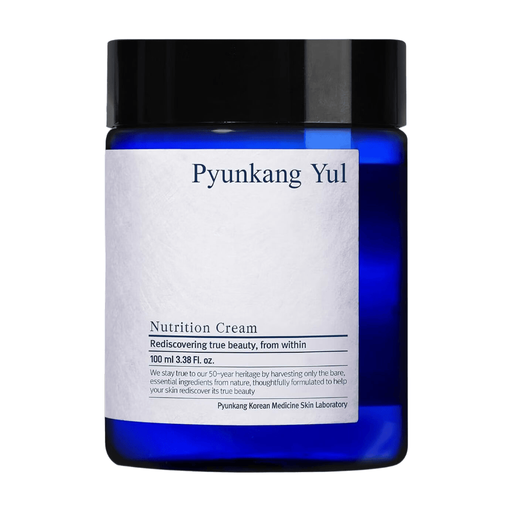
Why it suits this profile: This Korean face cream has a richer formula containing astragalus root extract, shea butter and jojoba oil. That makes it a good match for mature or demanding skin looking for a nourishing skin feel.
The selection makes the texture and ingredients clear. According to the product description, the cream is fragrance-free and absorbs without leaving a heavy or greasy residue.
100 ml; shea butter and jojoba oil; fragrance-free according to the product information.
We have put together a complete, up-to-date list of products that fully meet these strict selection criteria and the applicable European safety regulations.
For most routines, once in the morning and once in the evening is practical. Apply the cream after cleansing and any serums. Follow with sunscreen during the day. Start with a small amount; applying a thicker layer does not automatically make it more effective or comfortable.
Check the expiry date and the information about the period after opening on the packaging. Some products, for example, state that they should be used within six or twelve months of opening. Keep the pot or tube tightly closed and store it in a cool, dry place away from direct sunlight. Has the smell, colour or texture changed? It is best not to use the product any more.
Look for a lightweight gel cream with a fast-absorbing texture and avoid applying a layer that is too rich if your skin tends to become shiny quickly. Ingredients such as glycerine, panthenol and hyaluronic acid can provide hydration without the formula necessarily feeling heavy. Always see how your skin reacts after a few hours, particularly when using the cream under make-up.
