
Vandaag of morgen in huis

Kwaliteit gegarandeerd

Welkomstaanbiedingen ontgrendelen: GRATIS bezorging | Tot 80% korting | Gratis 30 dagen JoyPlus-proefperiode
Download de app
A face cream may seem easy to choose, until you have to decide between a gel cream, day cream, night cream, hyaluronic acid cream or a product designed to support the skin barrier. A high price or eye-catching claim does not automatically mean that a formula is right for your skin. Pay particular attention to the ingredients list, texture, packaging and directions for use.
Words such as “intensive”, “repairing” or “anti-ageing” often describe a brand’s positioning. They do not guarantee a personal result. For example, a brand’s own research may support a claim about a certain duration of hydration or a soothing effect, but every user’s skin reacts differently.
Use such claims as a reason to look more closely. Check which ingredients are actually listed, such as glycerine, sodium hyaluronate, ceramides, panthenol or squalane.
A rich cream may feel comfortable on dry skin, but can feel heavy on oily or combination skin. A face gel cream usually feels lighter and is often better suited to skin that becomes shiny quickly. Conversely, a very lightweight face moisturiser may not feel comfortable enough if your skin feels tight or dry.
Also consider your routine. A face day cream that works well under make-up often has a lighter finish than a face night cream.
“Fresh”, “natural” or “nourishing” does not automatically mean fragrance-free. Check the ingredients for perfume, limonene, linalool, citronellol and essential oils, among other things. For example, Dear, Klairs Rich Moist Soothing Cream contains several essential oils and lists potential fragrance allergens. NIVEA Soft contains parfum and alcohol denat. This does not automatically make these products unsuitable, but it is relevant information if you are looking for a cream for sensitive skin.
A hydrating face cream usually combines several types of ingredients:
A hyaluronic acid cream can therefore be a good choice if you are mainly looking for a lightweight, hydrated feel. However, look at the complete formula rather than focusing on just one prominent ingredient.
Ceramides, cholesterol, phytosphingosine and panthenol are found in formulas aimed at improving comfort and supporting the skin barrier. Interpret the term repairing the skin barrier in a cosmetic sense: a cream may help the skin feel more comfortable and less dry, but it is not a substitute for medical treatment.
The Ceramide Skin Barrier Moisturizer lists several ceramides, cholesterol, panthenol and different forms of hyaluronic acid. Dr. Althea 147 Barrier Cream lists seven types of hyaluronic acid and ceramides. These are verifiable points to consider if you have dry or sensitive skin.
Check the following before buying:
A small pack, such as 15 or 30 ml, can be useful for trying out a formula first. A larger pack is practical once you know the product and use it every day.
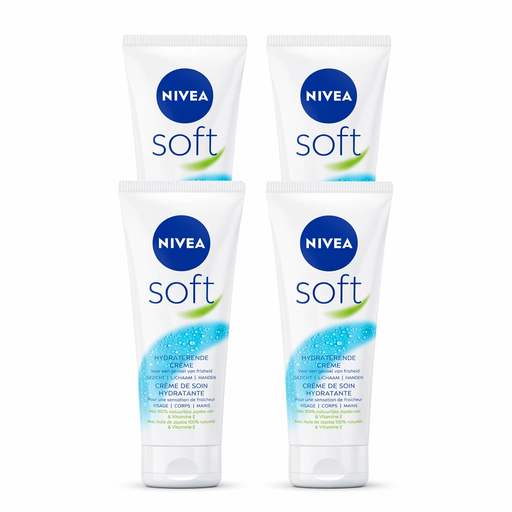
Why it suits this profile: An accessible option for anyone who wants to use one cream on their face, hands and body. The pack contains four 75 ml tubes.
The product description mentions a lightweight formula with vitamin E and jojoba oil. However, check for alcohol denat. and perfume if your skin is sensitive to these ingredients.
Suitable for the face, hands and body; 4 × 75 ml; dermatologically tested according to the product information.

Why it suits this profile: The gel cream texture suits users looking for hydration without a heavy cream on their face.
The formula is described as alcohol-free, fragrance-free, paraben-free and non-comedogenic. The stated hydration duration of up to 100 hours is a claim made by Clinique based on the brand’s own research.
Gel cream; 30 ml; suitable according to the product information for dry, very dry, combination and oily skin.
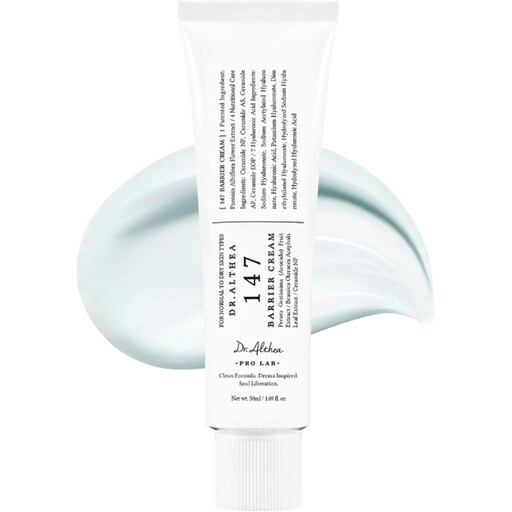
Why it suits this profile: Designed for users who, as well as hydration, value ceramides and support for the skin barrier.
This choice is based on the listed ingredients: seven types of hyaluronic acid, ceramides, vitamin E and guaiazulene. Claims about soothing and redness come from the brand description and are not a medical guarantee.
50 ml; ceramides in the formula; several forms of hyaluronic acid according to the product information.

Why it suits this profile: The lightweight gel texture is designed to leave a fresh feel and less greasy finish, which can be practical for combination or oily skin.
Instead of choosing a heavy cream, you are deliberately opting for a gel here. The brand description mentions red bean extract and a peptide complex; you should not regard their effects as guaranteed results.
100 ml; gel cream for the face and neck; suitable for oily skin according to the product information.
We have put together a complete, up-to-date list of products that fully meet these strict selection criteria and the applicable European safety regulations.
Apply the cream to a cleansed face. A small amount is usually enough; too much product can feel heavy or start to pill under make-up. During the day, also use a sun protection product with an appropriate SPF. If you have dry skin, apply a serum first if needed, then finish with a richer cream.
Test a new cream for sensitive skin on a small area of skin first. If you experience persistent redness, itching, swelling or a burning sensation, stop using it and seek medical advice.
A face day cream is often lighter and designed to be worn under make-up or sun protection. A face night cream may be richer and sometimes contains more soothing or nourishing ingredients. The difference is mainly in the texture, time of use and formula; not every skin type needs two separate products.
Follow the expiry date and the period-after-opening symbol on the packaging. Keep the cream closed, out of direct sunlight and stored according to the manufacturer’s instructions. If the scent, colour or texture changes noticeably, stop using the product.
No. Compare the size, ingredients, frequency of use and suitability for your skin. A product you enjoy using every day may be more practical than an expensive formula that feels too heavy, fragranced or insufficiently hydrating.
