
Vandaag of morgen in huis

Kwaliteit gegarandeerd

Welkomstaanbiedingen ontgrendelen: GRATIS bezorging | Tot 80% korting | Gratis 30 dagen JoyPlus-proefperiode
Download de app
Buying a new face cream may seem simple, but products can vary significantly in terms of ingredients, texture and use. Are you looking for a moisturising face cream, an anti-ageing cream or a formula for sensitive skin? An eye-catching promise on the packaging can easily lead you astray.
Pay particular attention to these three common pitfalls:
Start with your main concern. For a cream for dry skin, relevant ingredients to look out for include glycerine, shea butter, squalane, panthenol and hyaluronic acid. They may help provide a more comfortable feel and retain moisture, but the effect varies from one formula and person to another.
For sensitive or reactive skin, a short ingredients list is not automatically better. Pay particular attention to potential irritants, such as fragrance, alcohol denat. or certain plant extracts. Test a new product on a small area of skin first and stop using it if irritation persists.
If you are looking for a firming face cream or anti-ageing cream, you may wish to look for peptides, adenosine, bakuchiol, niacinamide and hyaluronic acid. According to the brands’ own product information, these ingredients may help support hydration, a smoother appearance or a more comfortable skin feel. They are not guarantees of a lasting cosmetic result.
A 50 ml face cream is a common size. As well as checking the quantity, see whether the product comes in a jar, tube or pump bottle. A pump bottle generally limits direct contact with the contents, while hygienic use is important with a jar.
Also check the product’s period after opening. This can vary from one product to another, for example 6 or 12 months. The packaging contains the most up-to-date information about ingredients, batch number, shelf life and warnings. Claims such as “dermatologically tested”, “vegan” or “non-comedogenic” are only relevant when they are clearly stated in the product information. They do not mean that a formula is suitable for everyone.
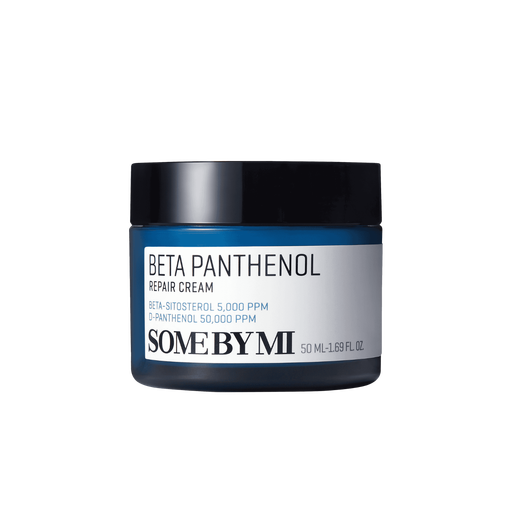
Why it suits this profile: This 50 ml cream is intended for sensitive and blemish-prone skin, making it suitable for anyone looking to start with one daily moisturiser.
The product description mentions panthenol, beta-sitosterol, squalane and a non-comedogenic formula. Always check the current packaging and, if you have sensitive skin, carry out a patch test beforehand.
Panthenol and glycerine are high on the ingredients list, while the formula also contains beta-sitosterol and squalane.
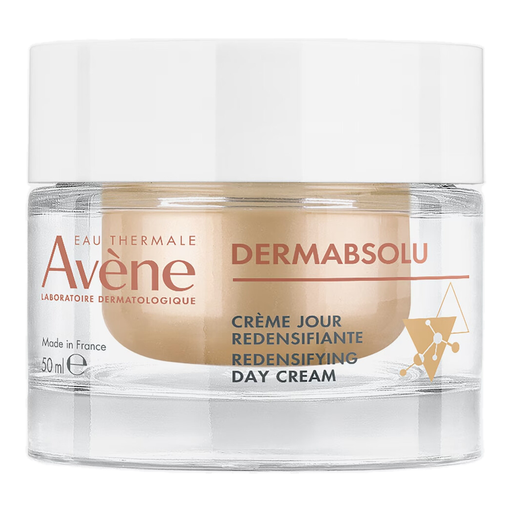
Why it suits this profile: This day cream is designed for mature skin that needs comfort, nourishment and hydration in the morning.
The product information specifies 50 ml, use on the face, neck and décolletage, and a formula containing bakuchiol, shea butter and glycerine. No SPF is mentioned, so use additional sun protection during the day.
According to the product information, it contains bakuchiol, pro-ceramides, hyaluronic acid and shea butter; suitable for adult and mature skin.
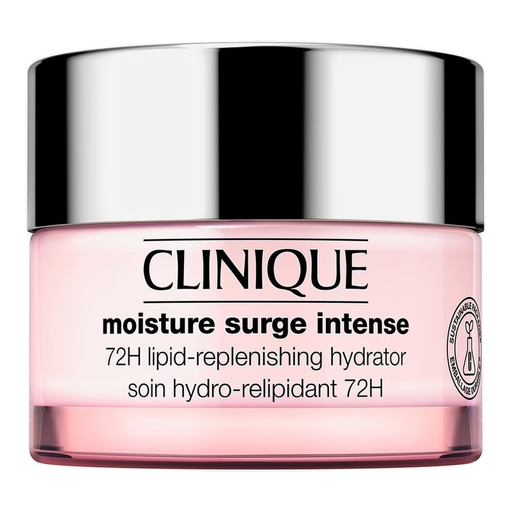
Why it suits this profile: This gel cream is intended for dry to very dry skin and, according to the product information, can also be used as a short-term hydrating mask treatment.
The formula is fragrance-free and contains ingredients including glycerine, squalane, sodium hyaluronate and cholesterol. Texture is a personal preference, so if you have combination skin, test a small amount first.
According to the product information, the cream is fragrance-free and suitable for dry to very dry skin; it can be applied under or over make-up.
We have put together a complete, up-to-date list of products that fully meet these strict selection criteria and the applicable European safety regulations.
Apply a day cream to cleansed skin, optionally after a serum. Use a small amount and spread it over your face and neck. Allow the cream to absorb briefly before applying make-up or sun cream.
A night cream may have a richer texture and is particularly useful when your skin feels tight in the evening. Introduce products containing active ingredients gradually. Do not combine several new formulas straight away; otherwise, it becomes more difficult to determine which product works well for you, or which one does not.
Look for the symbol on the packaging, usually shown as, for example, 6M or 12M. This indicates how many months the product can be used after opening. Close the packaging securely and store the cream according to the instructions on the label.
No, it is not essential. One suitable moisturiser may be enough. A day cream is practical under sun cream and make-up, while a night cream is often richer. Choose based on how your skin feels, your routine and the ingredients you want to use.
The price depends on the brand, ingredients, packaging and quantity. A higher price does not automatically prove that a formula is better suited to your skin. Before ordering, compare the 50 ml quantity, ingredients, intended use and any claims.
