
Vandaag of morgen in huis

Kwaliteit gegarandeerd

Welkomstaanbiedingen ontgrendelen: GRATIS bezorging | Tot 80% korting | Gratis 30 dagen JoyPlus-proefperiode
Download de app
Buying a new face cream sounds simple, until you have to choose between a moisturising face cream, anti-ageing cream, brightening cream or retinol cream. Many products promise a more even complexion, firmer-looking skin or less visible fine lines. However, an eye-catching claim does not always tell you enough about the formula, how to use it or whether it is suitable for your skin.
The most common pitfalls:
A cream for sensitive skin should ideally contain few potential irritants. Look out for fragrance, essential oils and a combination of several acids. A gel cream generally feels lighter and may suit oily or combination skin. A formula containing squalane, shea butter, ceramides or hyaluronic acid is often more appealing when your skin feels dry or tight.
If you are looking for a cream for acne-prone skin, it is worth checking whether the product is described as non-comedogenic, as well as reviewing the full ingredients list. This term is not a guarantee that a product will work without problems for everyone. Test a new cream on a small area of skin first.
Claims about reducing pigmentation, wrinkles or acne are not universal guarantees. A brand’s own research or customer reviews may report results, but individual skin reactions vary. Therefore, choose based on verifiable information such as ingredients, concentration, volume and directions for use.
A 50 ml jar or tube does not automatically contain more product than a 75 ml pack. Compare the volume and recommended usage. For example, a 20 ml retinol product may be intended to be used in small amounts each time.
Also check the expiry information and the period after opening. The current information is shown on the packaging. Store active formulas somewhere cool and dry, away from direct sunlight, when this is stated on the label. Use sun protection during the day when the packaging advises it, especially with products containing retinol, AHA, BHA or vitamin C.
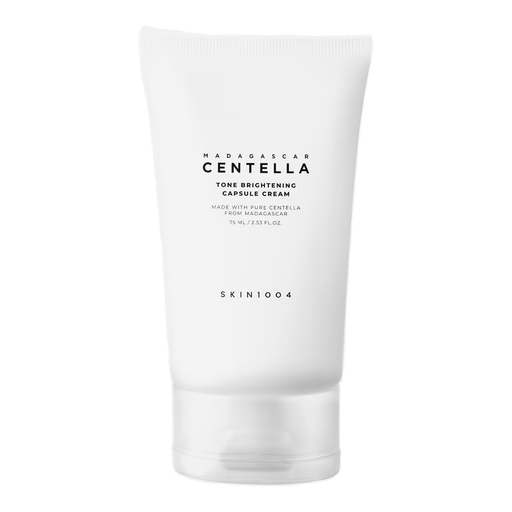
Why it suits this profile: This lightweight gel cream contains 75 ml and, according to the product specifications, is suitable for dry, combination, sensitive, normal, oily and acne-prone skin.
The ingredients and volume are clearly stated. According to the product information, the formula is free from alcohol and fragrance, which is relevant if you want to minimise unnecessary irritants.
60% Centella asiatica extract according to the product description, plus niacinamide, tranexamic acid and panthenol.
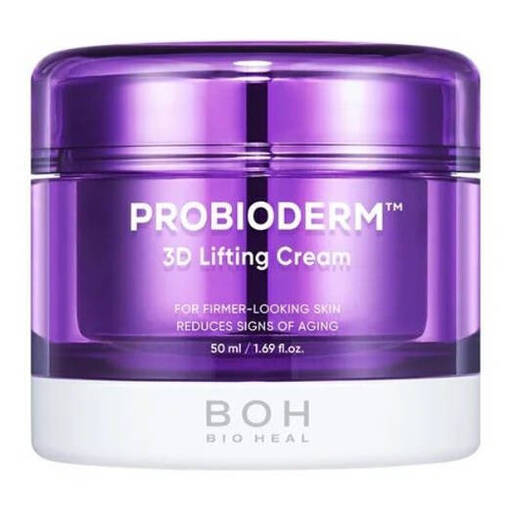
Why it suits this profile: This firming face cream is designed for everyday hydration and skincare. The packaging is a 50 ml pump bottle.
The formula lists 17 peptides, probiotics, prebiotics and postbiotics. However, check whether fragrance in the ingredients list is suitable for your skin.
Pump packaging, 50 ml, peptides and a lightweight texture according to the product information.
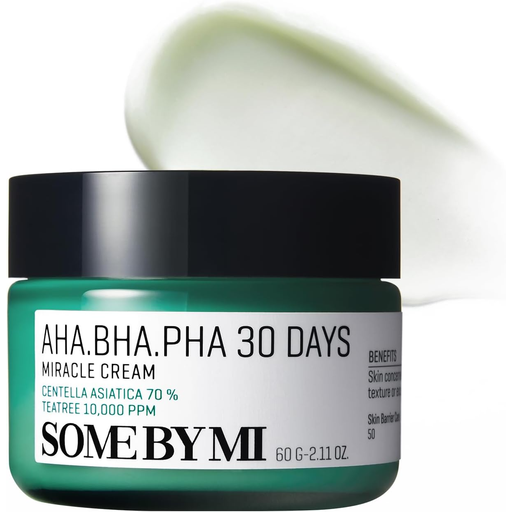
Why it suits this profile: The product information describes this cream as suitable for combination and acne-prone skin, with daily application as the final step.
AHA, BHA and PHA are explicitly listed. The warning recommends a patch test and sun protection; essential oils may cause sensitivity in some users.
60 ml, Centella asiatica extract, tea tree leaf water and ceramide NP according to the product details.
We have put together a complete, up-to-date list of products that fully meet these strict selection criteria and the applicable European safety regulations.
You can usually apply an ordinary moisturising face cream morning and evening to a cleansed face. When using retinol, AHA, BHA or vitamin C, always follow the instructions on the packaging. With active ingredients, start with a small amount and use it infrequently.
Check the expiry date and the period-after-opening symbol on the packaging. Keep the cream closed, somewhere cool and away from direct sunlight, if this is recommended. Has the smell, colour or texture changed? Stop using it and check the product information.
Face cream does not replace sun cream. With retinol, AHA, BHA and some vitamin C formulas, the product information states that sun protection is important. During the day, use a separate product with suitable UV protection and avoid combining multiple active ingredients if your skin is not used to them.
