
Vandaag of morgen in huis

Kwaliteit gegarandeerd

Welkomstaanbiedingen ontgrendelen: GRATIS bezorging | Tot 80% korting | Gratis 30 dagen JoyPlus-proefperiode
Download de app
Choosing a new face cream may seem straightforward, but attractive packaging or a long ingredients list does not automatically mean the product will suit your skin. A cream that feels pleasant in the shop may turn out to be too rich, too heavily fragranced or not nourishing enough at home.
These are the most common pitfalls:
A moisturising face cream should feel comfortable without leaving a greasy layer that lingers. Do not just look for the word “moisturising”; pay particular attention to the product format:
If you are looking for a face cream for sensitive skin, it is best to start with a small amount. Look out for fragrance, alcohol denat., essential oils and known allergens. A patch test on a small area of skin is advisable, particularly if you have reacted to cosmetics in the past.
Ingredients provide a useful first indication of a product’s intended purpose:
Check the full ingredients list rather than relying only on the front of the packaging. Ingredients are listed in descending order of concentration, although this order does not tell you everything about how the formula works.
A 100 ml pot may seem good value, but a small amount per application may be all you need. So do not compare the price alone: also compare the volume in millilitres and how often you expect to use the product.
Also check:
A day cream with SPF is not automatically a replacement for a separate sun protection product. Check the stated protection factor and apply sun protection according to the instructions.
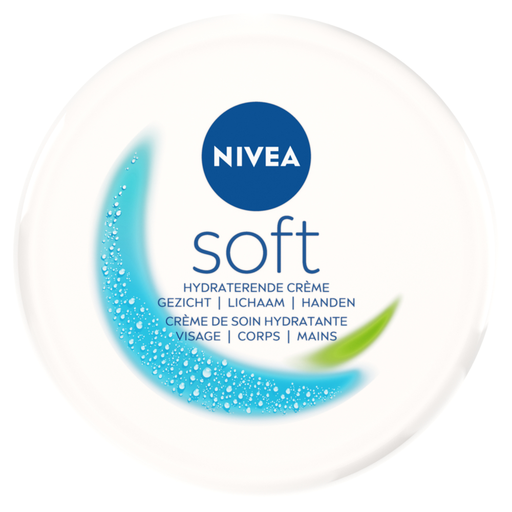
Why it suits this profile: This cream is intended for the face, hands and body. That makes it practical if you want to start with one product and do not need an extensive routine.
The product information describes a lightweight formula with jojoba oil and vitamin E. However, check for fragrance ingredients and alcohol denat. if your skin reacts easily.
200 ml capacity, suitable for several areas of the body and intended for daily use.
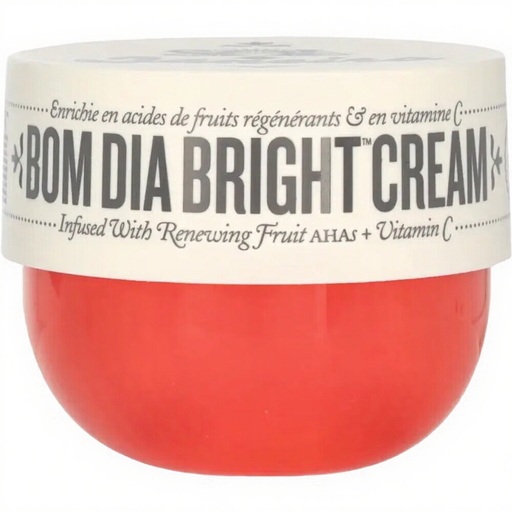
Why it suits this profile: This body cream is designed for those who want to combine body care with a sensorial fragrance experience and are looking for ingredients such as fruit acids and vitamin C.
The product information explicitly states that it is for use as a body cream and warns of possible irritation. Carry out a patch test first and avoid contact with the eyes.
240 ml capacity, quick absorption according to the product description, and a pistachio and salted caramel fragrance.
We have put together a complete, up-to-date list of products that fully meet these strict selection criteria and the applicable European safety regulations.
For a simple morning routine, a light moisturiser after cleansing is often enough. If you have dry skin, a richer cream may feel more comfortable, especially in the evening. A night cream does not automatically contain different active ingredients from a day cream; the main differences are often the texture, fragrance and absence of SPF.
Fans of Korean face cream can look for gel creams containing centella, beta-glucan or hyaluronic acid. For oily skin, the Beauty of Joseon Red Bean Hydrating Gel Cream and iUNIK Centella Calming Gel Cream are examples of lighter textures in the range. For mature skin, products such as an anti-ageing cream are often associated with ingredients including peptides, adenosine or plant extracts. Treat such descriptions as product information, not as a guarantee of a particular result for your skin.
Introduce new products one at a time. This makes it easier to identify which product works well for you and which formula may be causing irritation. Stop using the product if you experience redness, itching or a burning sensation, and consult a healthcare professional if symptoms persist.
That depends on your skin and the product. Many moisturisers are intended for use in the morning and evening. Start with a small amount on clean, slightly damp skin and follow the directions for use. Sun protection may be needed afterwards during the day.
Look for the open-jar symbol on the packaging. 12M, for example, means that the product is intended to be used for twelve months after opening. Fragrance, colour and texture may change as a result of heat, light or air. Keep the cream tightly closed and out of direct sunlight.
Some products are designed for this purpose, such as a multifunctional body and face cream. Always check the intended area of use on the label. A body cream may feel less comfortable on the face because of its fragrance, oils or richer texture.
