
Vandaag of morgen in huis

Kwaliteit gegarandeerd

Welkomstaanbiedingen ontgrendelen: GRATIS bezorging | Tot 80% korting | Gratis 30 dagen JoyPlus-proefperiode
Download de app
Buying a new face cream seems simple, until you have to choose between a hydrating face cream, anti-ageing cream, barrier-repair cream or soothing face cream. Packaging often promises radiant skin, fewer lines or a visibly more even complexion. However, an eye-catching claim says little about whether the formula suits your skin and routine.
The following three pitfalls are common:
For dry skin, ingredients such as glycerine, hyaluronic acid, squalane, shea butter and ceramides are practically relevant. They are used in product formulas to attract and retain moisture or help the skin feel more comfortable.
Oily or combination skin often benefits more from a lightweight gel cream. Look for a fast-absorbing texture and avoid applying a layer that is too rich if you notice that your skin becomes shiny quickly. An acne cream or spot cream is intended for targeted use and does not always replace a regular moisturiser.
With sensitive skin, a short, straightforward ingredients list is often easier to assess. Check whether it contains fragrance, essential oils or known allergens. Test a new cream for sensitive skin on a small area first and stop using it if irritation persists.
A vitamin C cream may suit a dull-looking complexion or uneven skin tone. However, products vary considerably in the form and stability of their vitamin C. Medicube, for example, uses several forms of vitamin C and a capsule-gel texture. According to Medicube’s product description, the formula contains, among other ingredients, 5% niacinamide, ascorbic acid and encapsulated vitamin C.
A retinol cream requires extra care when introducing it. The Retinol 0.1 Cream states that it contains 0.1% retinol and also includes hyaluronic acid and panthenol, among other ingredients. Do not use retinol every evening straight away: start gradually, follow the packaging instructions and use sun protection during the day. Retinol products are not suitable for everyone; if in doubt, ask a doctor or pharmacist for advice.
For pigmentation, you can look for ingredients such as niacinamide, liquorice extract or certain vitamin C derivatives. Phrase claims carefully: according to Axis-Y’s product description, the Dark Spot Correcting Glow Cream is intended to help the complexion look more even, but individual results may vary.
Do not compare only the price of a jar or tube, but also the contents in millilitres or grams and how much product you need each time. You will use a 30 ml spot cream differently from a daily day cream containing 50 or 80 ml.
Also check:
An SPF in a day cream can be convenient, but check the stated protection factor and use enough product. A face cream with SPF does not replace your usual routine when you are outdoors for extended periods.
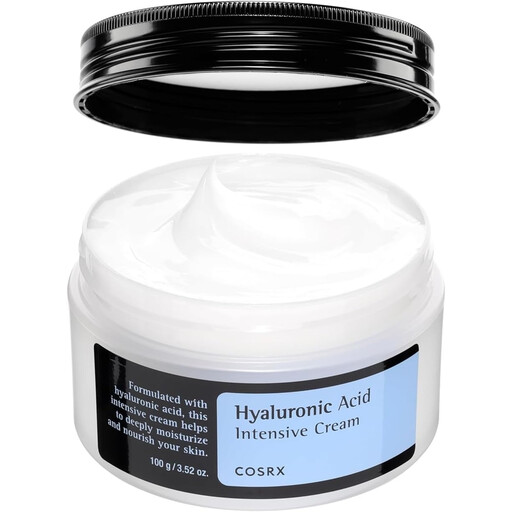
Why it suits this profile: A simple hydrating face cream containing 100 grams, for anyone who wants to start without lots of active ingredients.
The product information lists a straightforward formula containing glycerine, betaine and sodium hyaluronate, without a complicated treatment routine.
Rich cream texture; contains glycerine, betaine and hyaluronic acid according to the ingredients list.
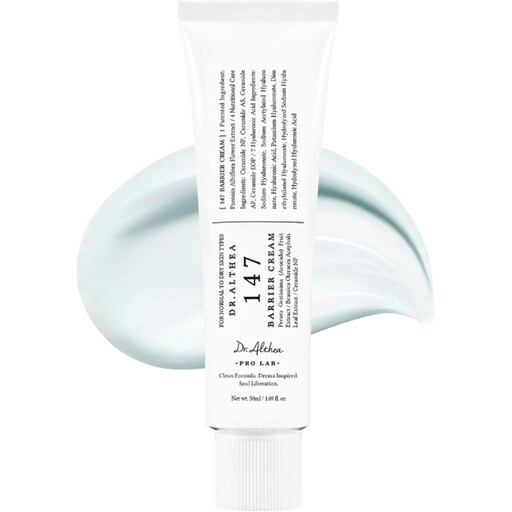
Why it suits this profile: For anyone specifically looking for a barrier-repair cream containing ceramides and several forms of hyaluronic acid.
The selection is based on verifiable ingredients rather than just a general claim about radiant skin.
Contains seven types of hyaluronic acid, ceramides, vitamin E and guaiazulene according to the product description.
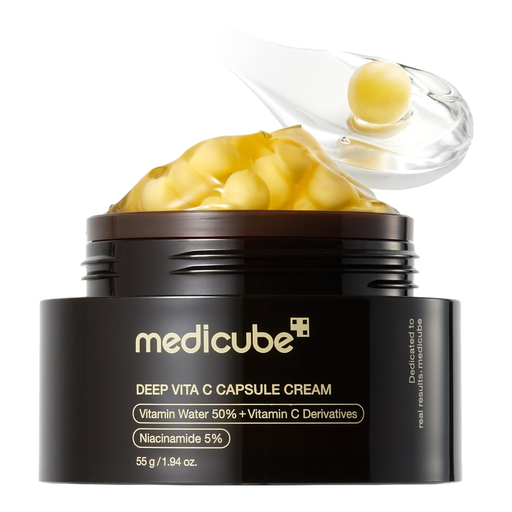
Why it suits this profile: For users deliberately looking for a vitamin C cream and wanting to adjust the texture for each application.
The two components allow you to adjust the ratio of gel to capsule. According to Medicube’s own research, the vitamin C is encapsulated to help prevent oxidation; this is a brand claim, not a guaranteed result.
According to the product information, contains 5% niacinamide, ferulic acid and several forms of vitamin C.
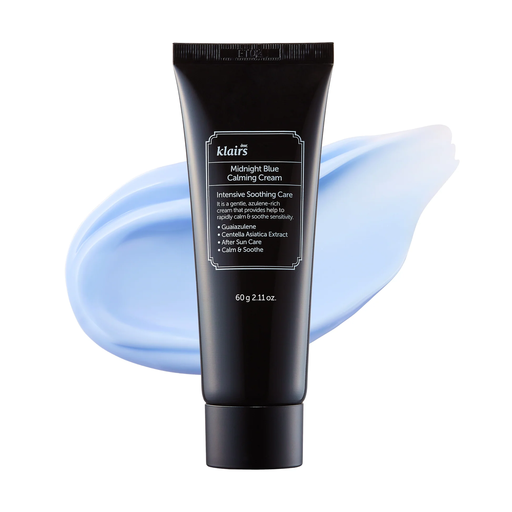
Why it suits this profile: A lightweight, fragrance-free soothing face cream for anyone who wants a simple evening routine.
The product information states that it contains no added fragrance and recommends using a small amount as the final step in your evening routine.
Contains centella asiatica, ceramide NP, niacinamide and guaiazulene according to the ingredients list.
We have compiled a complete, up-to-date list of products that fully meet these strict selection criteria and the applicable European safety regulations.
Look for a richer formula containing glycerine, hyaluronic acid, shea butter, oils or ceramides. Apply the cream to slightly damp skin to help support a comfortable feel. It is best not to introduce several new active products at once, so you can see how your skin responds.
This is usually possible if the formula does not contain SPF or strongly mattifying ingredients that you do not need in the evening. A night cream is often richer, but the main difference is usually the texture and added ingredients. Always check the directions for use and choose additional sun protection during the day when necessary.
Follow the expiry date and the symbol on the packaging, such as 6M or 12M after opening. Store the jar or tube somewhere cool and dry, away from direct sunlight. Use clean hands or a spatula, and watch for changes in scent, colour or texture. If in doubt, it is best not to apply the product to your face.
