
Vandaag of morgen in huis

Kwaliteit gegarandeerd

Welkomstaanbiedingen ontgrendelen: GRATIS bezorging | Tot 80% korting | Gratis 30 dagen JoyPlus-proefperiode
Download de app
A good face cream does not have to be the most expensive pot on the shelf. Even so, choosing one can be tricky: a gel may feel lightweight but provide too little comfort for dry skin, while a rich cream can feel heavy or look shiny on oily skin. Terms such as “deep hydration”, “skin barrier repair” and “suitable for all skin types” only mean something when you check the ingredients, texture and directions for use.
In this buying guide, you’ll find out what to look for in a hydrating face cream, face moisturiser, day cream or night cream. The selection below is based on verifiable information from the product descriptions, including volume, ingredients, fragrance details, texture and stated skin type.
Brands sometimes mention a certain number of hours of hydration or a percentage by which the skin barrier is said to improve. Such figures are not automatically comparable between products. According to the brand’s own research, these claims may have been produced under specific conditions. Treat them as additional information rather than a personal guarantee.
Start by looking at the full ingredients list. Glycerine, hyaluronic acid, dimethicone, oils and butters all have different properties. A product containing hyaluronic acid may help the skin retain moisture, but the overall experience also depends on the rest of the formula and your skin.
A face cream for all skin types can be practical, but that does not mean every skin type needs the same amount of nourishment or occlusion. Dry skin often benefits more from a cream containing emollient and barrier-forming ingredients. Combination or oily skin may respond better to an oil-free moisturiser or lightweight gel.
Also check whether “suitable for sensitive skin” is supported by relevant product information, such as fragrance-free, alcohol-free or dermatologically tested. Even then, an individual reaction remains possible.
Fragrance appears on the ingredients list as “Parfum” or “Fragrance”, often accompanied by fragrance allergens. If you quickly experience redness or a tight feeling, you may wish to look specifically for a fragrance-free face cream. Also consider the format: a lotion or gel will generally absorb more quickly than a balm or rich cream.
Hyaluronic acid comes in different forms and molecular weights. Products such as a hyaluronic acid cream are designed to help retain moisture, but the word “deep” does not automatically describe a measurable effect for every user.
Ceramides are lipids used in skincare formulas designed to support comfort and the moisture barrier. A ceramide cream may be worth considering if your skin feels dry or tight. However, check that ceramide actually appears in the ingredients list, rather than only in the product name or marketing copy.
Glycerine is a widely used hydrating ingredient. Dimethicone, petrolatum and certain oils can help limit moisture loss from the skin’s surface. A formula containing several types of ingredients may therefore feel different from a product that relies mainly on one active ingredient.
A day cream for the face should sit comfortably under sun protection or make-up. A face night cream can be richer, provided the texture remains comfortable. None of the moisturisers mentioned automatically replaces a separate sunscreen; check the packaging and the stated SPF for this information.
Pay attention to the volume: 30 ml is convenient to take with you, while 100 or 200 ml is often more practical for daily use. A pump bottle or tube generally limits contact with the contents. Store every face cream in a cool, dry place away from direct sunlight, and follow the expiry information on the packaging.
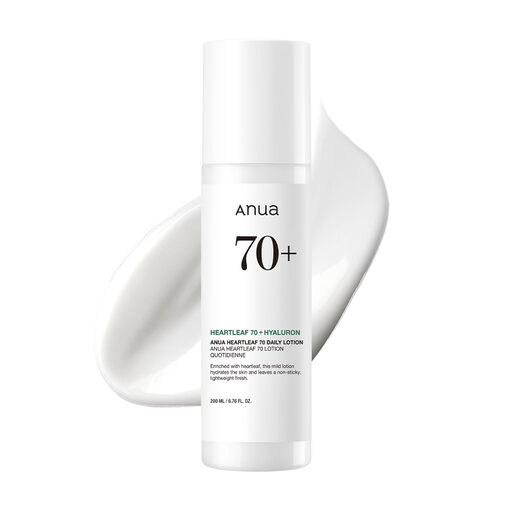
Why it suits this profile: The lotion contains 200 ml and is intended for daily use in the morning and evening. The product description states that it has a fragrance-free formula and a lightweight texture that can also be worn under make-up.
The product information states that it contains no artificial fragrances and has a non-comedogenic formula. Always check the packaging when buying, as formulations can change.
200 ml; fragrance-free formula according to the product description; contains glycerine and several forms of sodium hyaluronate.
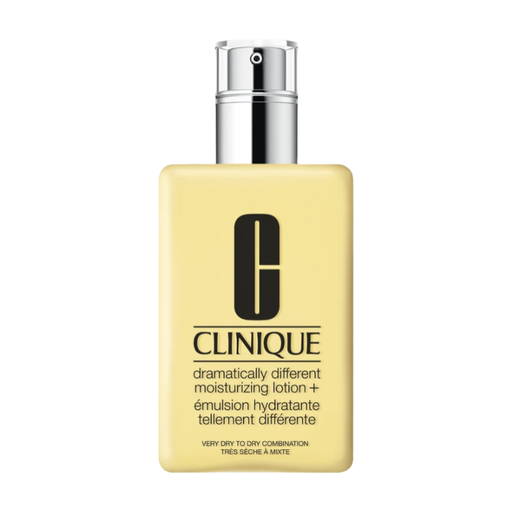
Why it suits this profile: According to the product information, this lotion is intended for very dry to dry/combination skin. Its emulsion texture and 125 ml volume make it suitable for a consistent morning and evening routine.
The product description explicitly states that it is 100% fragrance-free and allergy tested. The ingredients list is available, allowing you to compare it with your own preferences.
125 ml; fragrance-free according to the product information; contains glycerine, dimethicone, petrolatum and sodium hyaluronate.
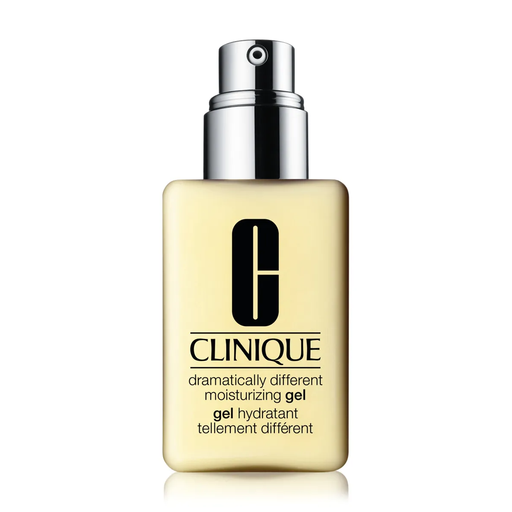
Why it suits this profile: The product description states that it has a lightweight, oil-free formula for oily or combination skin. It is a good fit for users who want hydration without the finish of a rich cream.
The texture and skin type are clearly described. This means you do not have to use a heavy cream on skin that prefers a gel texture.
125 ml; oil-free moisturiser; fragrance-free according to the product information and intended for oily skin.
We’ve put together a complete, up-to-date list of products that fully meet these strict selection criteria and the applicable European safety regulations.
For most moisturisers, applying them once in the morning and once in the evening is standard, provided the product packaging recommends this. Apply the cream to cleansed skin. During the day, also use a separate sunscreen if this suits your routine.
Follow the expiry date and the period-after-opening information on the packaging. Store the product in a cool, dry place away from direct sunlight. A change in smell, colour or texture may be a reason to stop using the product. Do not use face cream around the eyes unless this is explicitly stated on the label.
Start by looking for a fragrance-free face cream with a short, easy-to-understand ingredients list. Product claims such as “dermatologically tested” or “hypoallergenic” are not a guarantee for every user. Test a new formula carefully on a small area and stop using it if irritation occurs. If symptoms persist, seek advice from a doctor or dermatologist.
