
Vandaag of morgen in huis

Kwaliteit gegarandeerd

Welkomstaanbiedingen ontgrendelen: GRATIS bezorging | Tot 80% korting | Gratis 30 dagen JoyPlus-proefperiode
Download de app
Buying a face cream seems straightforward, until you have to choose between moisturising, nourishing, firming and anti-ageing face creams. Marketing copy doesn’t always make it clear which formula is right for your skin and routine. A rich cream, for example, may feel lovely on dry skin but too heavy on oily skin.
The most common pitfalls are:
Don’t just check the ingredients highlighted on the front of the packaging. A moisturising face cream often contains glycerine, hyaluronic acid, panthenol or betaine. A nourishing face cream is more likely to contain oils, shea butter, squalane or fatty alcohols.
According to the product description, niacinamide can be used to hydrate and support the skin barrier. It features in several SKIN1004 formulas, for example. That doesn’t automatically mean every user will experience the same effect.
If you’re choosing a cream for sensitive skin, also check for fragrances, essential oils and active acids. A product may be described as gentle but still contain ingredients that you personally react to. So, test a new cream on a small area of skin first and follow the warnings on the packaging.
A day and night cream can be handy if you want to use a single product. Check that the formula fits your morning routine, though. Ingredients such as retinol aren’t necessarily suitable for daytime use.
A 50 ml jar and a 60 ml tube may seem similar, but the amount you use each time varies with the texture. So, check:
A larger pack isn’t always better value if you only use the cream occasionally. Correct storage is especially important for active formulas. Retinol can increase sensitivity to sunlight. SOME BY MI’s safety information recommends using sun protection daily and introducing the retinol version gradually.
The choices below are based on the skin types, textures, sizes and ingredients stated in the product descriptions. Brand claims about results are not treated as guaranteed outcomes.
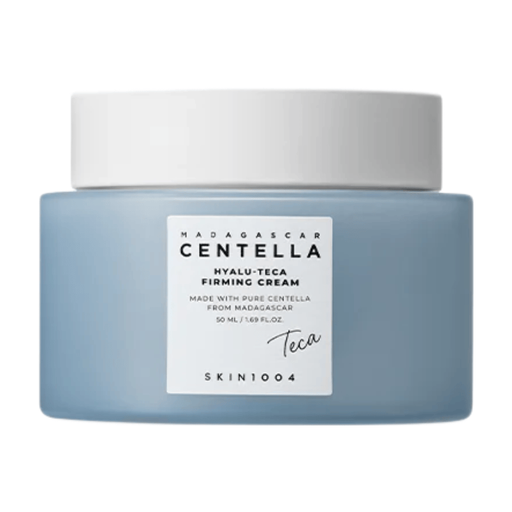
Why it suits this profile: The formula combines hydrating ingredients such as glycerine and hyaluronic acid with niacinamide, panthenol and ceramide NP. This makes it a straightforward option if you’re looking for a first step towards daily hydration.
The full ingredients list is clearly shown, so you don’t have to rely solely on the term “firming”. Check for any allergies in advance, though.
50 ml; contains glycerine, hydrolysed hyaluronic acid, panthenol and ceramide NP, among other ingredients.
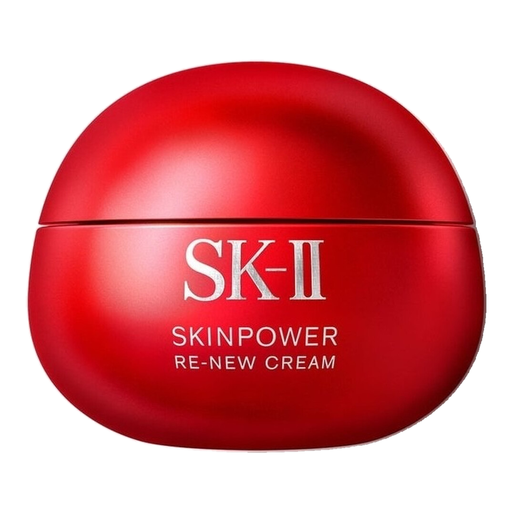
Why it suits this profile: The product description mentions a rich texture, hydration and use on normal to dry skin. The 80 g size is practical if you plan to use the cream regularly, morning and evening.
The skin type recommendation is clear: normal to dry. This makes it a less obvious choice if you’re looking for a very light cream for oily skin.
80 g; rich texture; product description mentions Pitera, glycerine, shea butter and peptides.
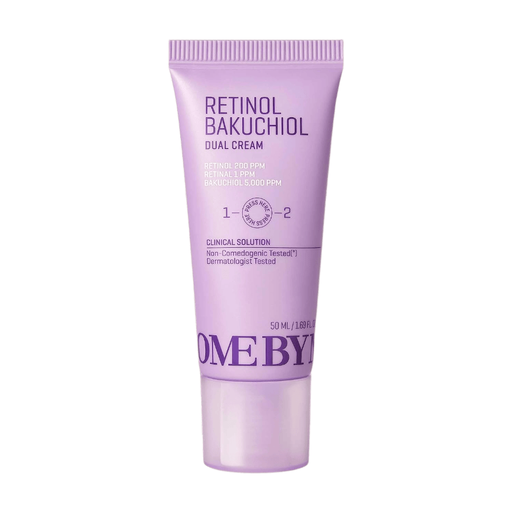
Why it suits this profile: This formula is intended for people who want to add retinol or bakuchiol to their evening routine and are prepared to follow the usage advice carefully.
The safety information recommends patch testing, introducing the product gradually and using sun protection. This helps you avoid using an active formula too often straight away.
50 ml; choice of retinol or bakuchiol formula; also contains niacinamide and ceramide NP.
We’ve put together a complete, up-to-date list of products that meet these strict selection criteria and current European safety regulations.
Apply the cream after cleansing and using any serums. Use about a small amount and gently spread it over your face and neck. A day cream is no substitute for sunscreen. When using products with active ingredients, always follow the directions on the packaging.
A natural face cream isn’t necessarily suitable for sensitive skin. Plant-based fragrances and essential oils can also cause a reaction. So, always check the full INCI list, even if a product is marketed as natural or vegan.
Look for a richer formula with glycerine, shea butter, squalane, oils or ceramides. A cream for dry skin can be especially comfortable in the evening or during cold, dry spells. If your skin feels tight after applying it, adjust the amount you use.
You can if the product description says it’s suitable and the formula doesn’t contain ingredients recommended for evening use only. Take extra care with retinol. Use sun protection during the day and gradually increase use according to the safety information.
Check the expiry date and the symbol showing how long the product lasts after opening. Some products, for example, state 6M, 12M or 24M. Store the cream in a cool, dry place away from direct sunlight, and close the packaging securely after use. Stop using it if you experience redness, itching, swelling or a burning sensation, and follow the manufacturer’s warnings.
